14 museums · 31 galleries · 1 heritage site
Aude: Fortresses, Roman Heritage and Contemporary Art in the Occitanie Countryside
Explore museums, galleries and heritage sites in Aude, in Occitanie.
A Department Shaped by Two Historic Cities
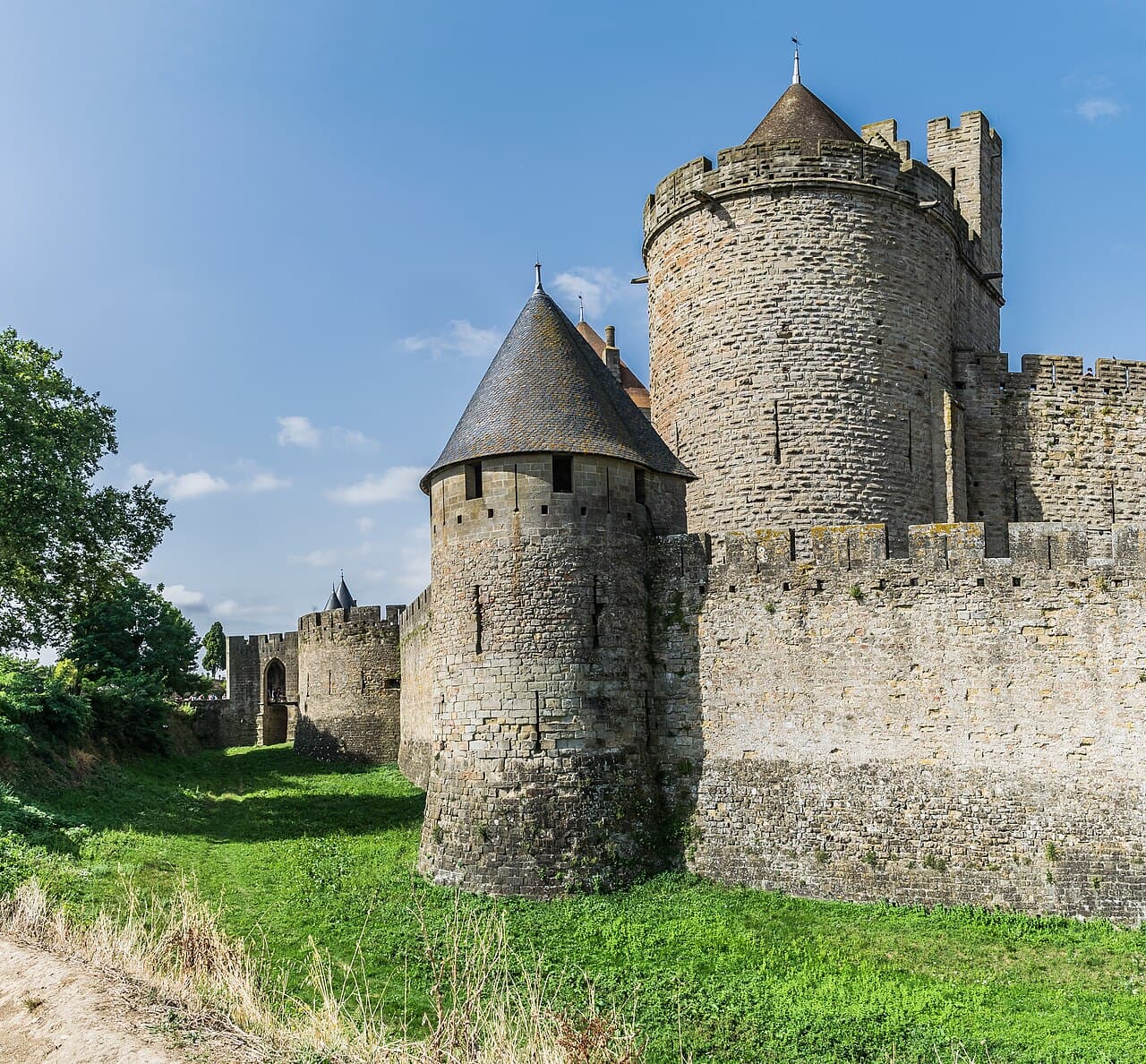
The Aude is dominated by two poles: Carcassonne, whose fortified historic city was inscribed on the UNESCO World Heritage List in 1997, and Narbonne, once a major Roman colony and now home to Musée Narbo Via, a site museum dedicated to Roman antiquity organized around three geographic sections.
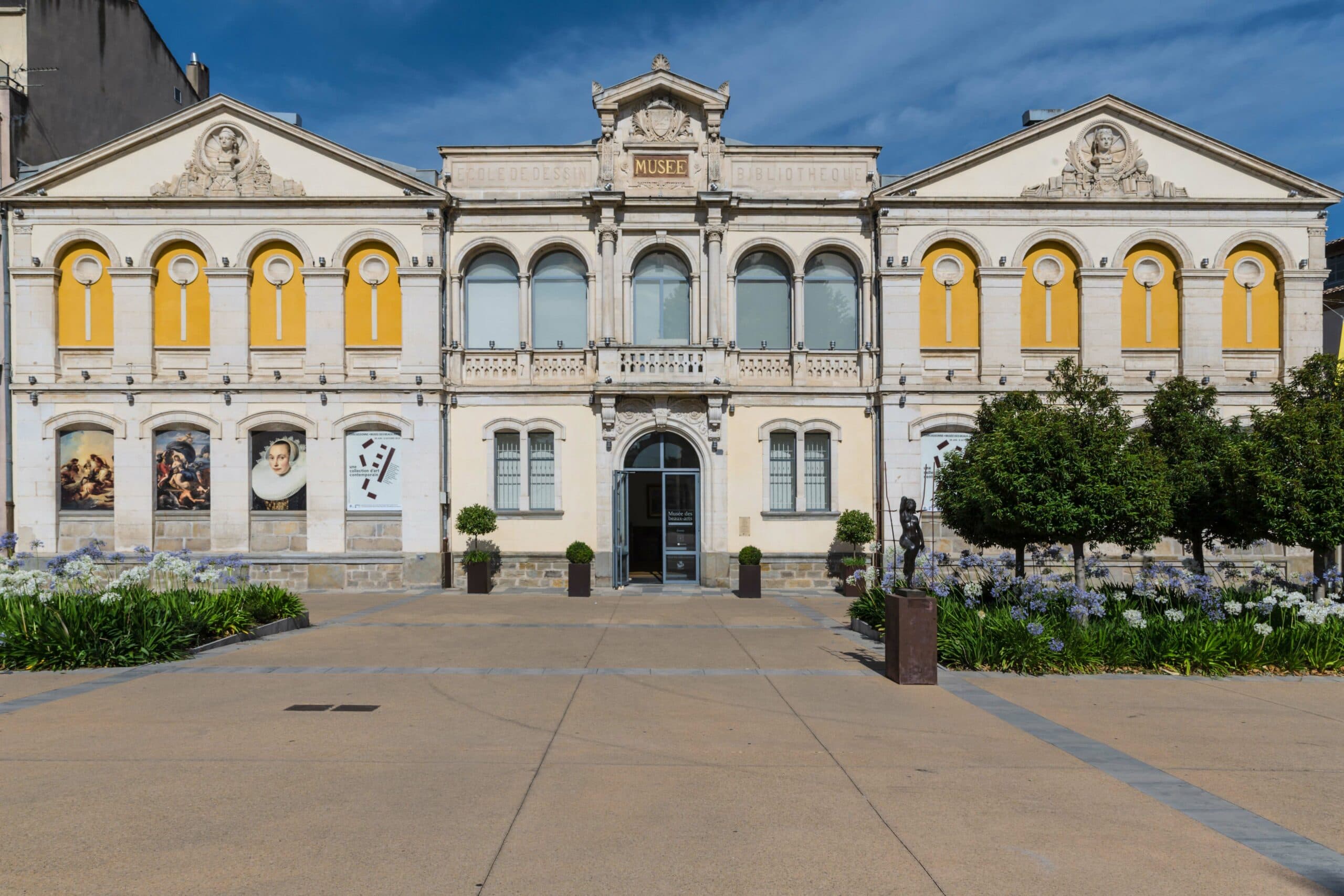
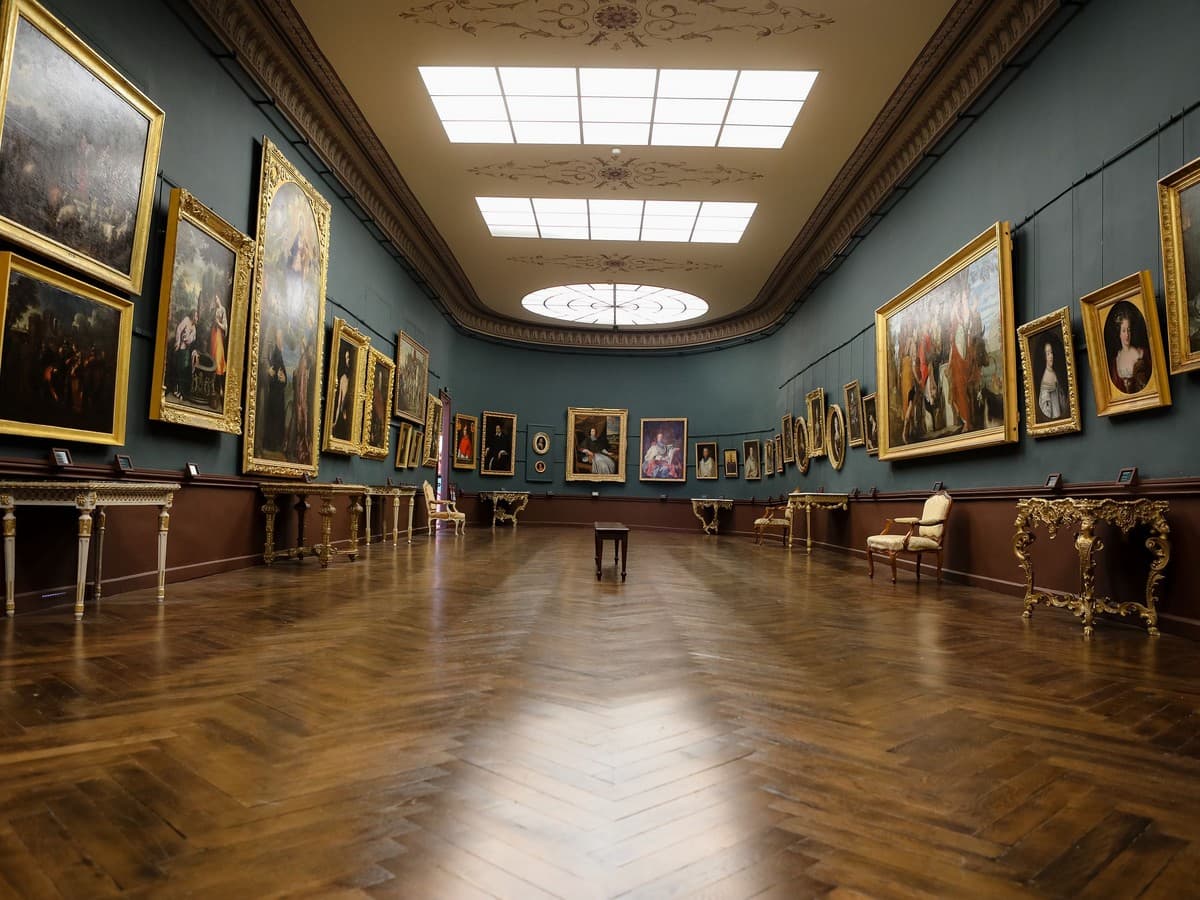
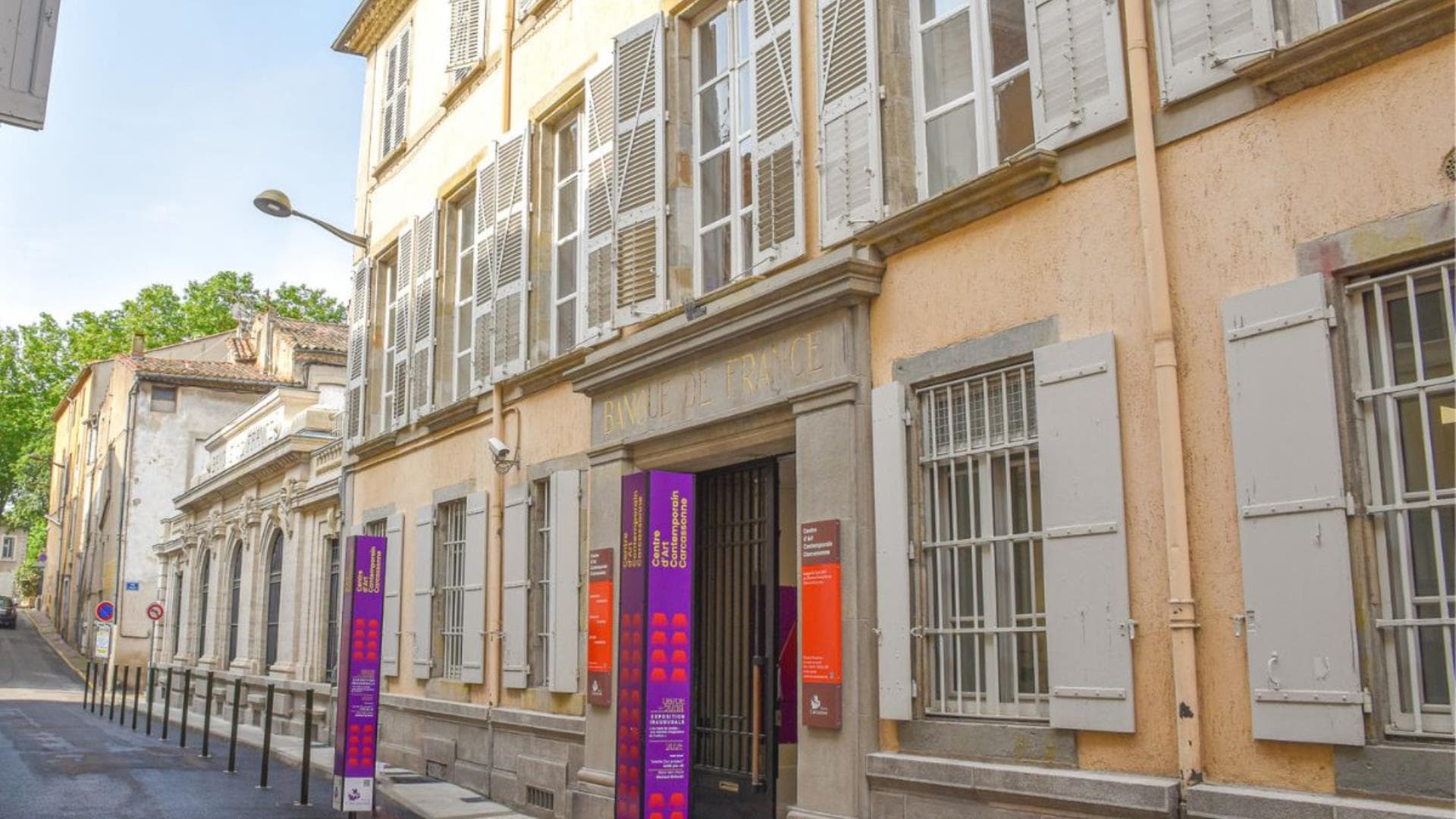
Within Carcassonne itself, the Musée des Beaux-Arts occupies 15 boulevard Camille Pelletan and forms one of the city's principal exhibition venues, while contemporary creation finds a home at the Centre d'Art Contemporain de Carcassonne, installed in the former Banque de France building on rue Jean Bringer.
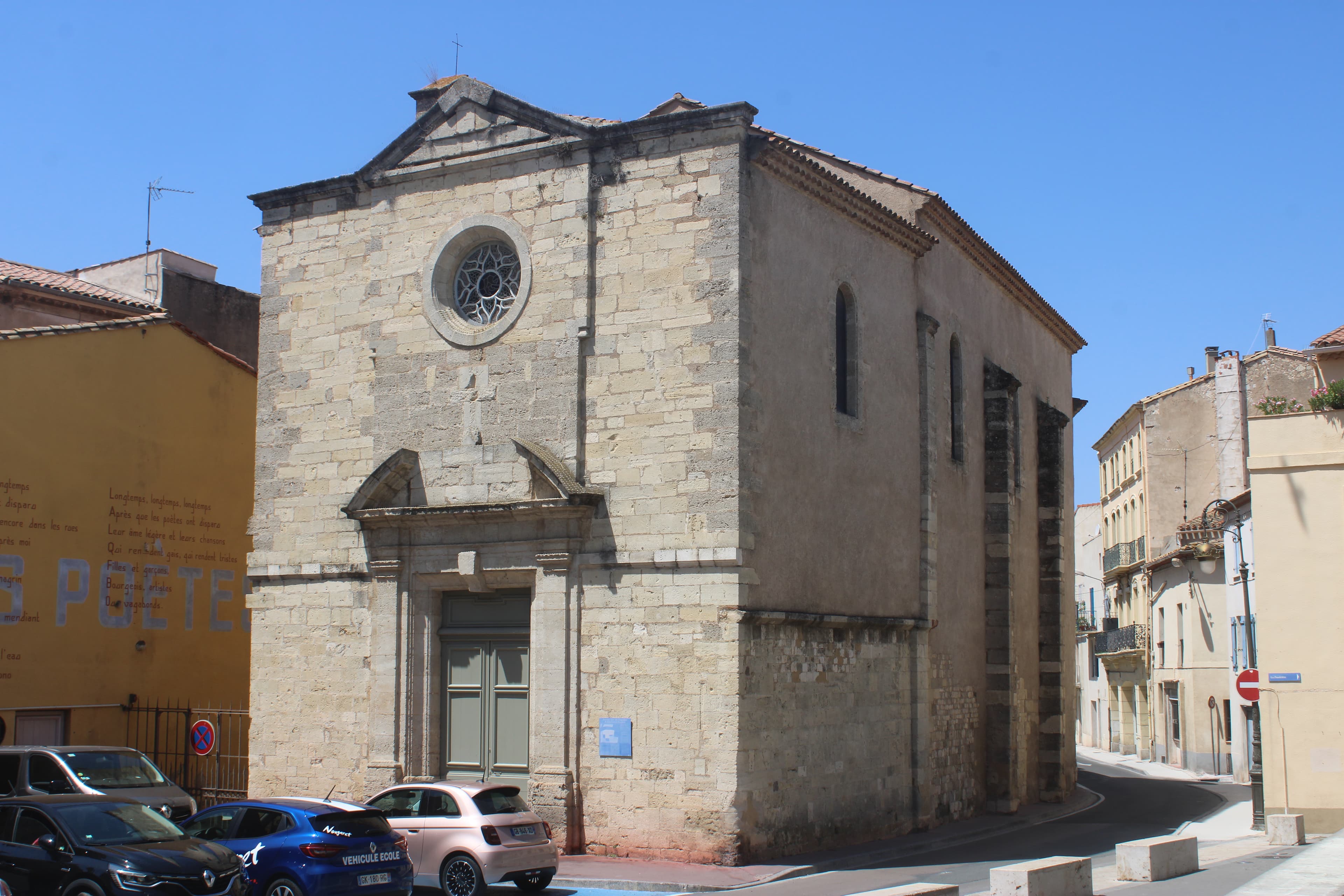
Narbonne itself concentrates several heritage sites beyond Narbo Via: the Palais-musée des Archevêques de Narbonne is installed in the archbishops' historic palace, while its dedicated Parcours d'Art traces artistic production within the same monument, classified as a historic monument and labelled Musée de France. Nearby, the Chapelle des Pénitents Bleus is a baroque building fitted out in the mid-18th century for the confraternity of the Blue Penitents.
Cities & region
Museums to discover
14 museums, from major institutions to local collections.
Galleries to discover
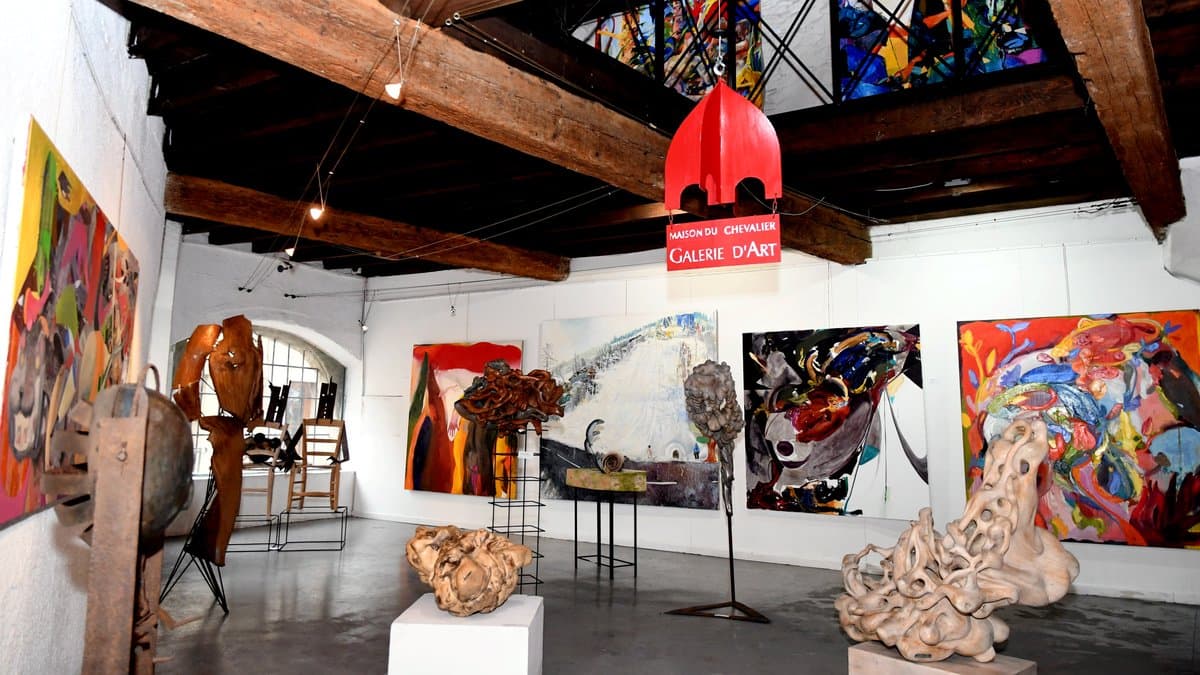
31 contemporary and modern art galleries.




World Heritage & monuments
1 UNESCO World Heritage Sites.
Beyond the Two Main Towns: A Network of Small Villages
Several villages away from Carcassonne and Narbonne hold notable institutions. Limoux is home to the Musée Petiet, while Castelnaudary hosts the Musée archéologique du Lauragais, dedicated to the archaeology of the Lauragais region, and the contemporary Galerie 113.
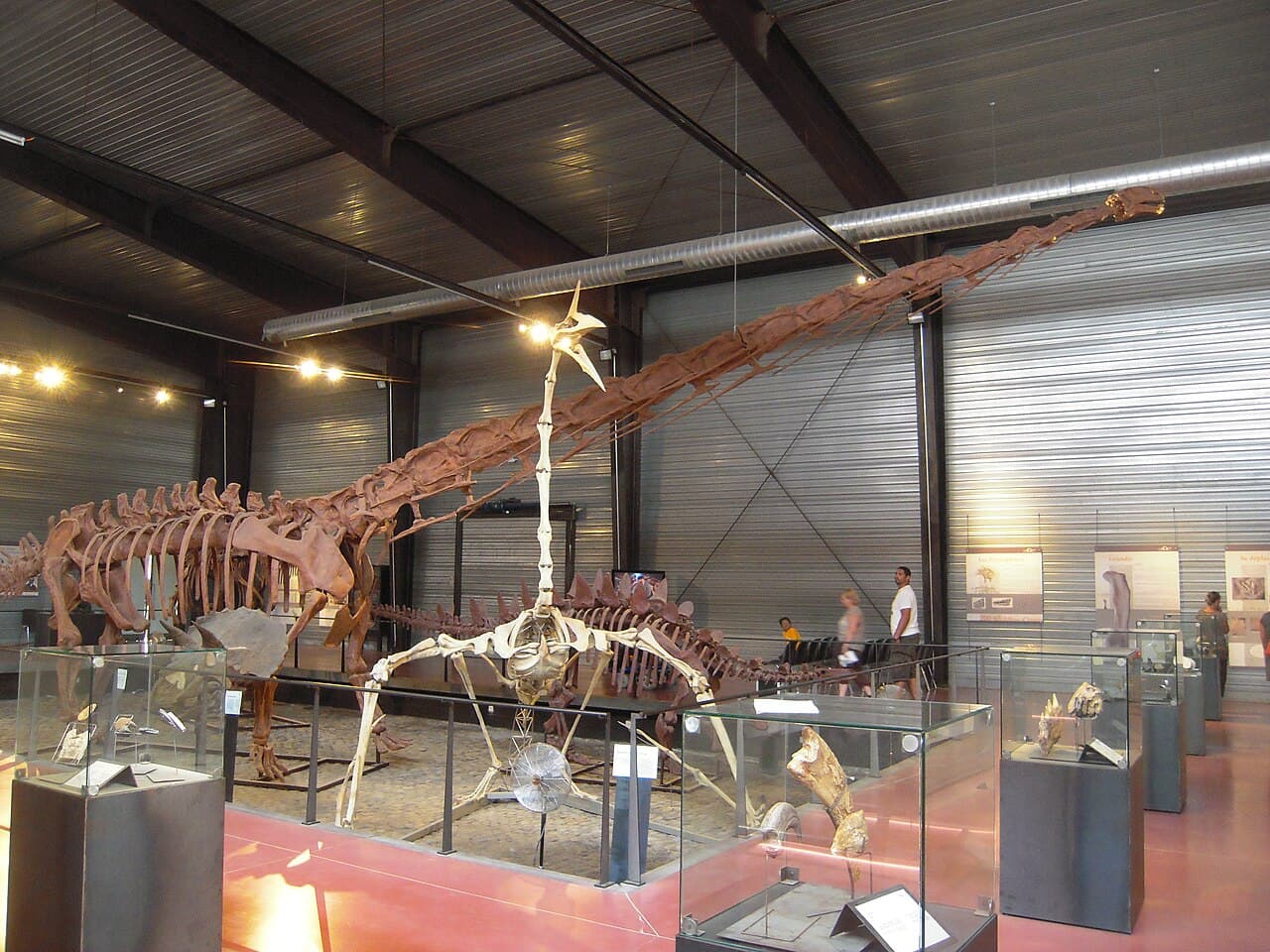
Bram, further west, preserves its Roman-era origins through the Musée municipal "Eburomagus", an archaeological museum built around a rural heritage-conservation approach. Espéraza, in the Aude valley, houses the Musée des Dinosaures d'Espéraza, focused on paleontology and natural history.
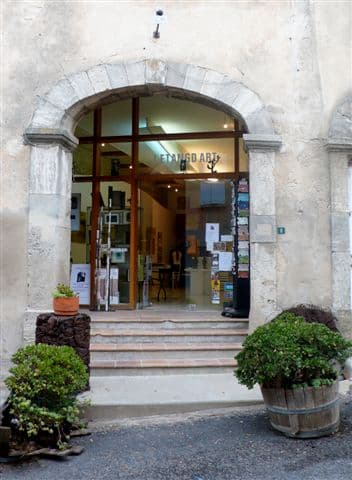
The village of Bages, on the edge of the Étang de Bages-Sigean, has become an unlikely cluster of small galleries, including L'EtangD'Art, Maison Des Arts Bages, Latuvu and NullepArt, offering a dense concentration of exhibition spaces for a village of its size.
A Living Contemporary Art Scene
Contemporary art in the Aude is sustained less by large institutions than by a scattered network of independent spaces. In Sigean, the L.A.C. Lieu d'Art Contemporain occupies a former wine cellar transformed by the painter Piet Moget and his daughter, and now hosts recurring exhibitions.
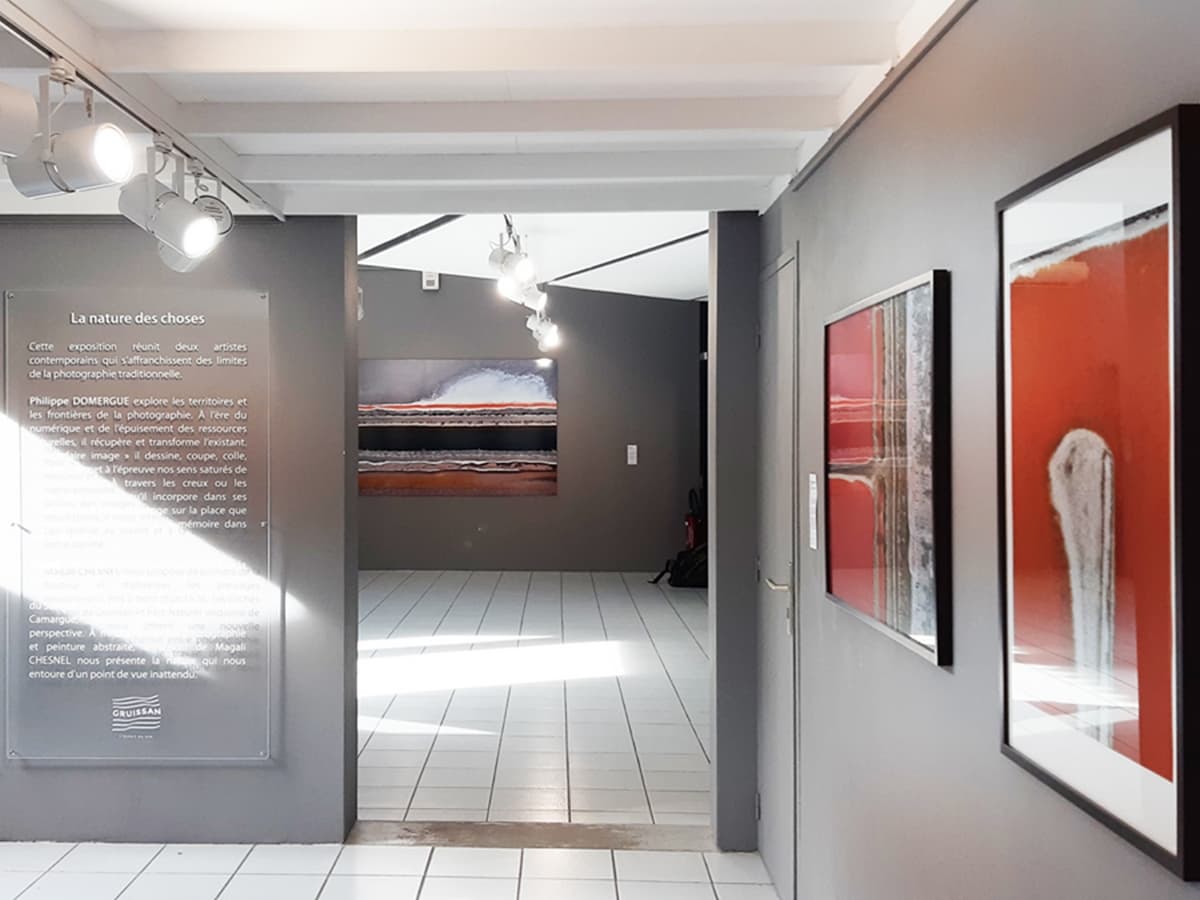
Gruissan's Espace d'art contemporain - Poulet De Gruissan was inaugurated in 2013 as a tribute to Robert Garcia and continues to host visiting artists, while Carcassonne's exhibition scene extends into intimate venues such as the Chapelle des Dominicaines and the Chapelle Saint-François Xavier.
Aude on the map
Museums, galleries and heritage, at a glance.
46 results
Frequently asked questions
How long should I plan to visit Carcassonne's fortified city?
A half-day allows time to walk the ramparts and visit the château comtal; a full day lets you add the Musée des Beaux-Arts and the Centre d'Art Contemporain nearby.
What is the best base for exploring the Aude's museums?
Carcassonne and Narbonne make the most practical bases, each within reach of smaller sites in Bram, Castelnaudary, Limoux, Espéraza and Sigean.
Is Musée Narbo Via worth a dedicated visit?
Yes: it is the region's principal site dedicated to Roman antiquity, with its collection organized across three geographic sections related to Narbonne's Roman past.
When is the best time to visit the Aude?
Spring and early autumn bring milder weather for exploring outdoor sites like Carcassonne's ramparts, while smaller galleries in villages such as Bages are best visited outside peak summer crowds.
Are the smaller village galleries, like those in Bages, open year-round?
Many independent galleries in villages such as Bages operate on seasonal or reduced schedules, so checking opening days in advance is recommended, especially outside summer months.
What makes La Coopérative-musée Cérès Franco distinctive?
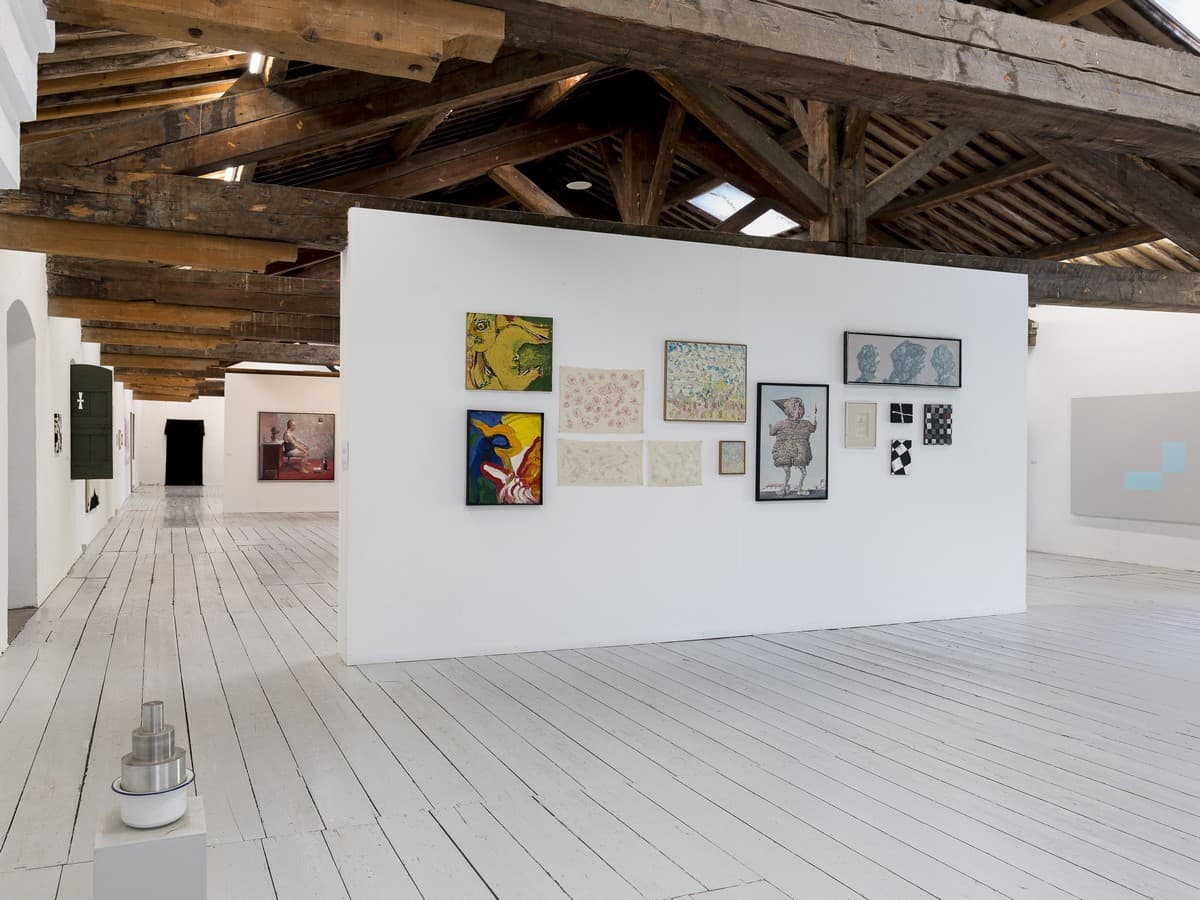
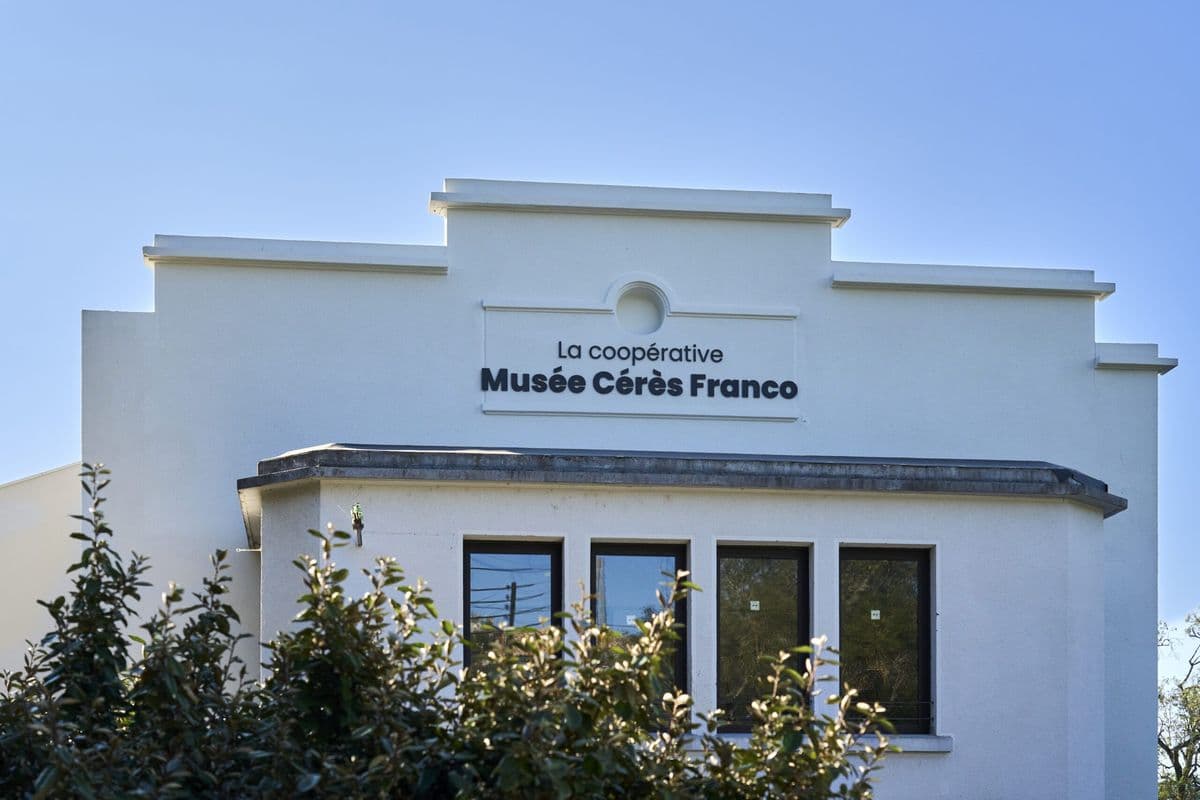
It houses over 1,700 works of art brut, naive and singular art in Montolieu, reflecting one collector's personal vision now preserved through collective management.