Cultural
Kunya-Urgench
Turkménistan
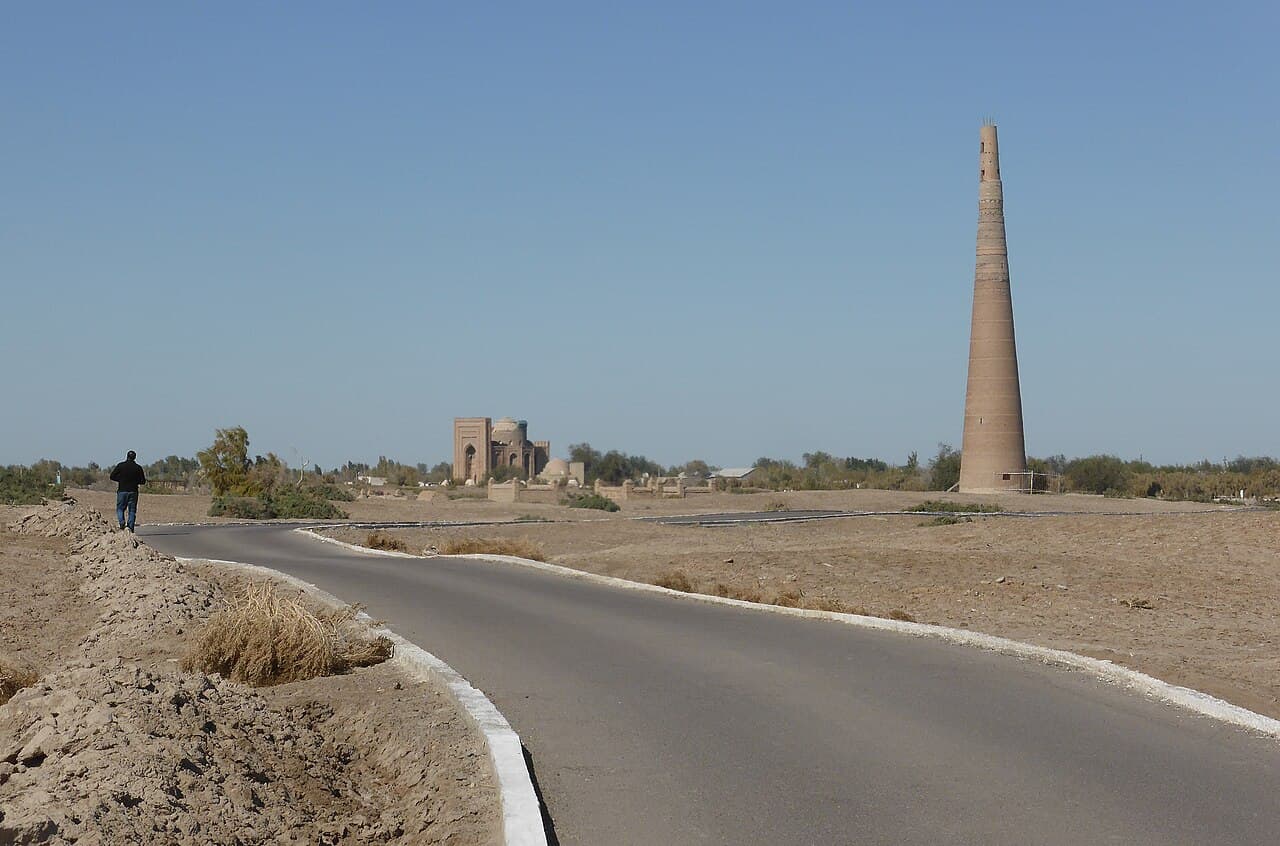
Photo : Hans Birger Nilsen (CC BY-SA 2.0)
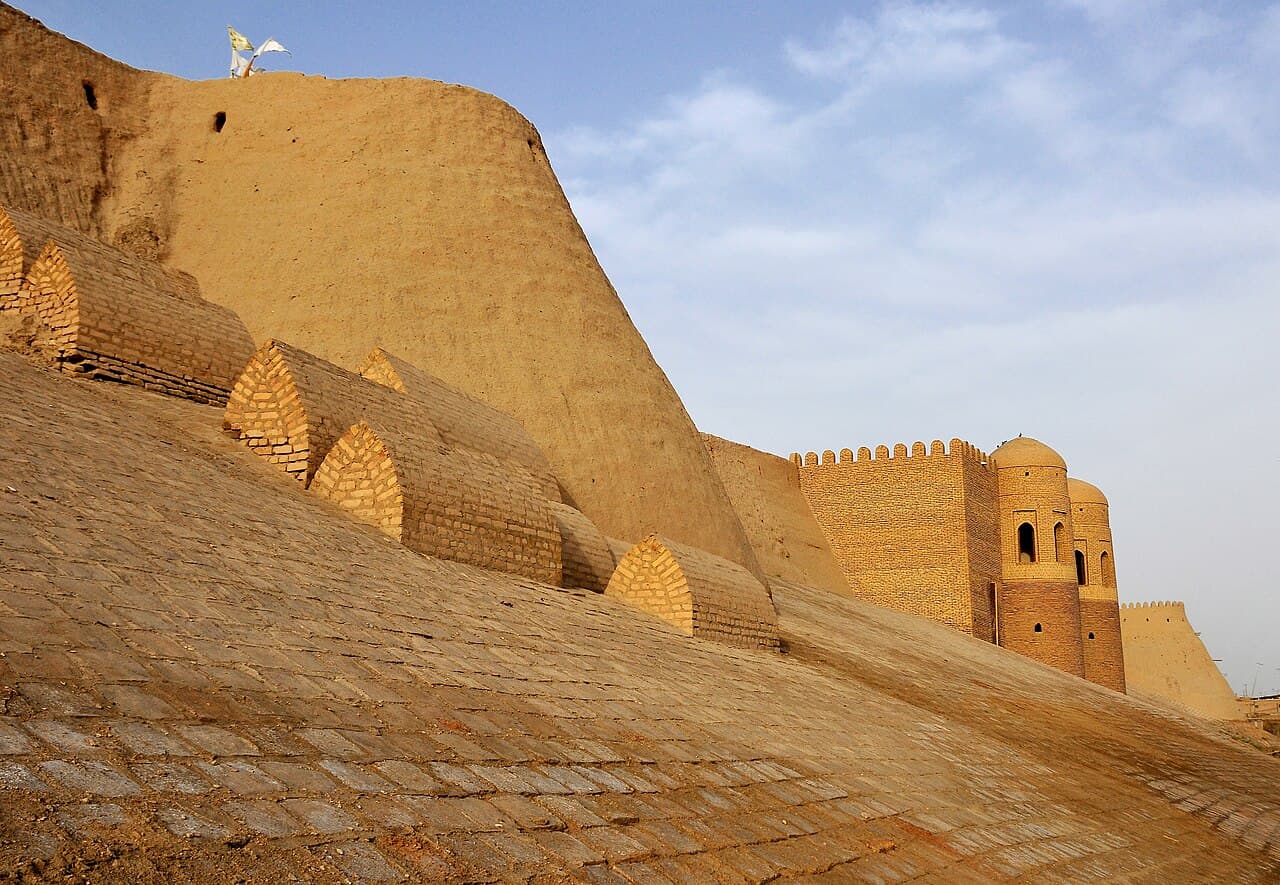
Located in northwestern Turkmenistan near the Aral Sea, this archaeological site comprises the remains of several ancient cities that flourished along the Amu Darya River as major centres of the Khwarazmian civilization. The successive urban settlements span from the 5th century BCE through the medieval period, representing continuous habitation and cultural development across more than a millennium. The site contains notable architectural remnants including mausoleums, minarets, fortifications and residential structures that reflect the region's Islamic and pre-Islamic heritage. The visual landscape is marked by distinctive earthen ruins, decorated brickwork, and the imposing Sultan Tekesh mausoleum, which showcase the sophisticated construction techniques of medieval Central Asian architecture. These monuments serve as important testimony to the historical significance of Khwarazm as a crossroads of trade routes connecting East and West. The site's archaeological and architectural values document the evolution of urban planning, religious expression and material culture in Central Asia during the pre-Islamic and Islamic periods.