Cultural
Site archéologique de Hegra (al-Hijr / Madā ͐ in Ṣāliḥ)
Arabie saoudite

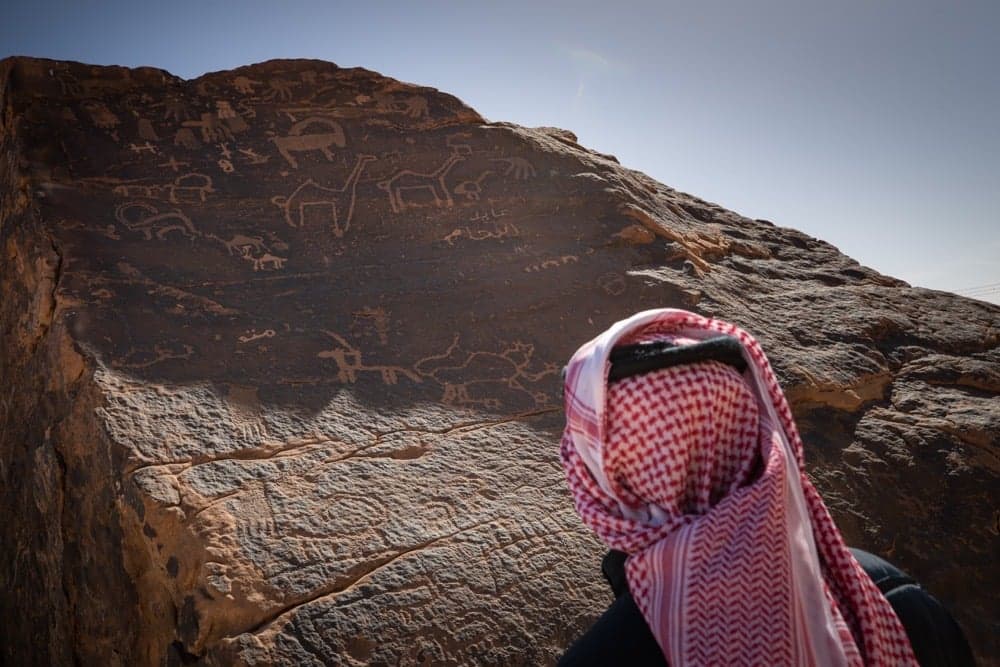
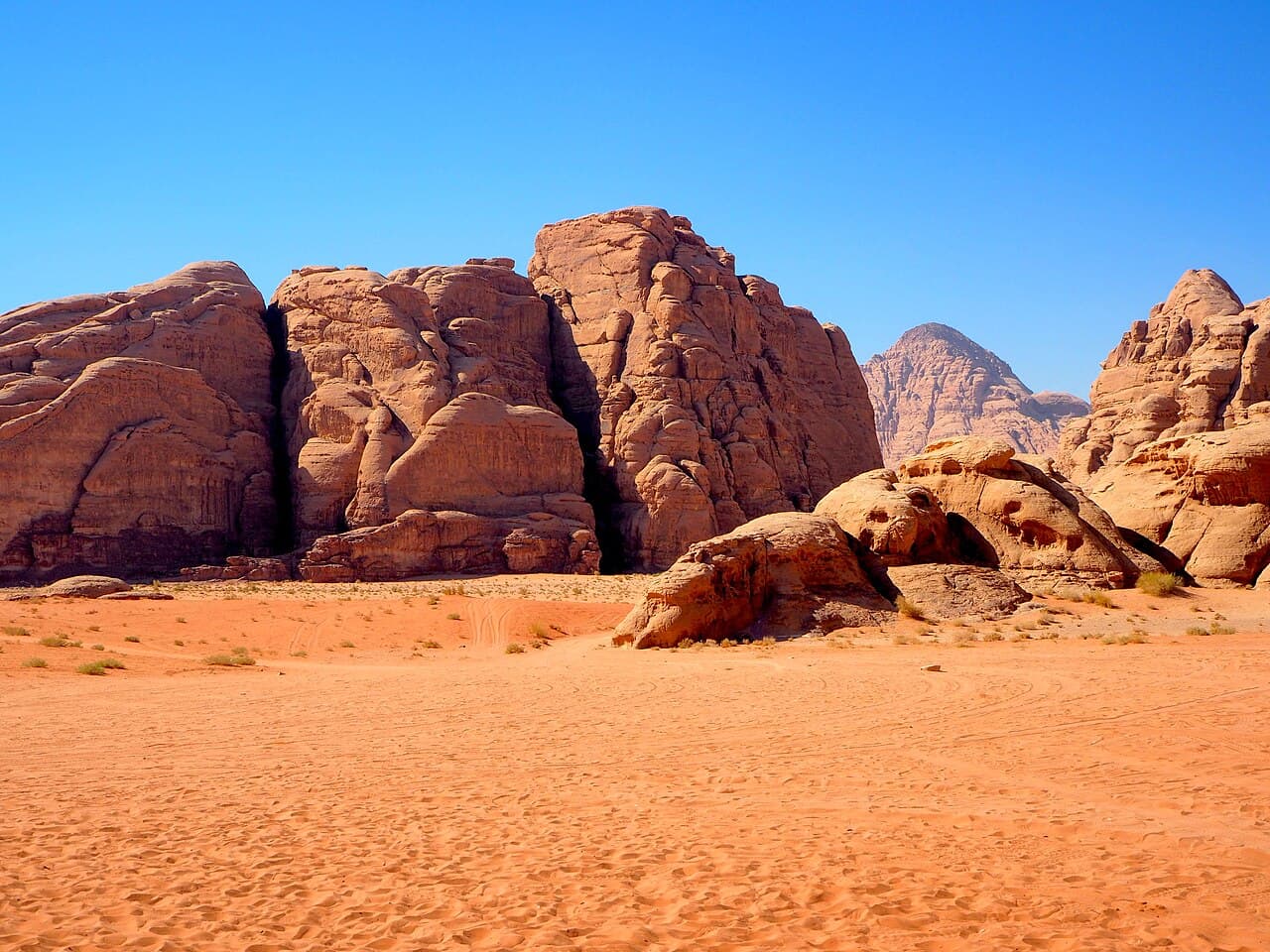
Located in northwestern Saudi Arabia, this archaeological site represents the second-largest settlement of the Nabataean Kingdom after Petra. The site contains a series of monumental rock-cut tombs carved into sandstone formations, adorned with elaborate architectural facades that reflect Nabataean craftsmanship and cultural influences from the Mediterranean and Arabian regions. The tombs, dating from the 1st century BCE to the 1st century CE, demonstrate the settlement's significance as a major trading hub along ancient caravan routes connecting Arabia, the Mediterranean, and Asia. The site's preservation provides substantial evidence of Nabataean funerary practices, urban organization, and the economic importance of the region during the Hellenistic period. The distinctive geological landscape of reddish and golden sandstone cliffs forms a dramatic setting for the carved monuments, which remain largely intact despite the passage of centuries.