Cultural
Qhapaq Ñan, réseau de routes andin
Pérou
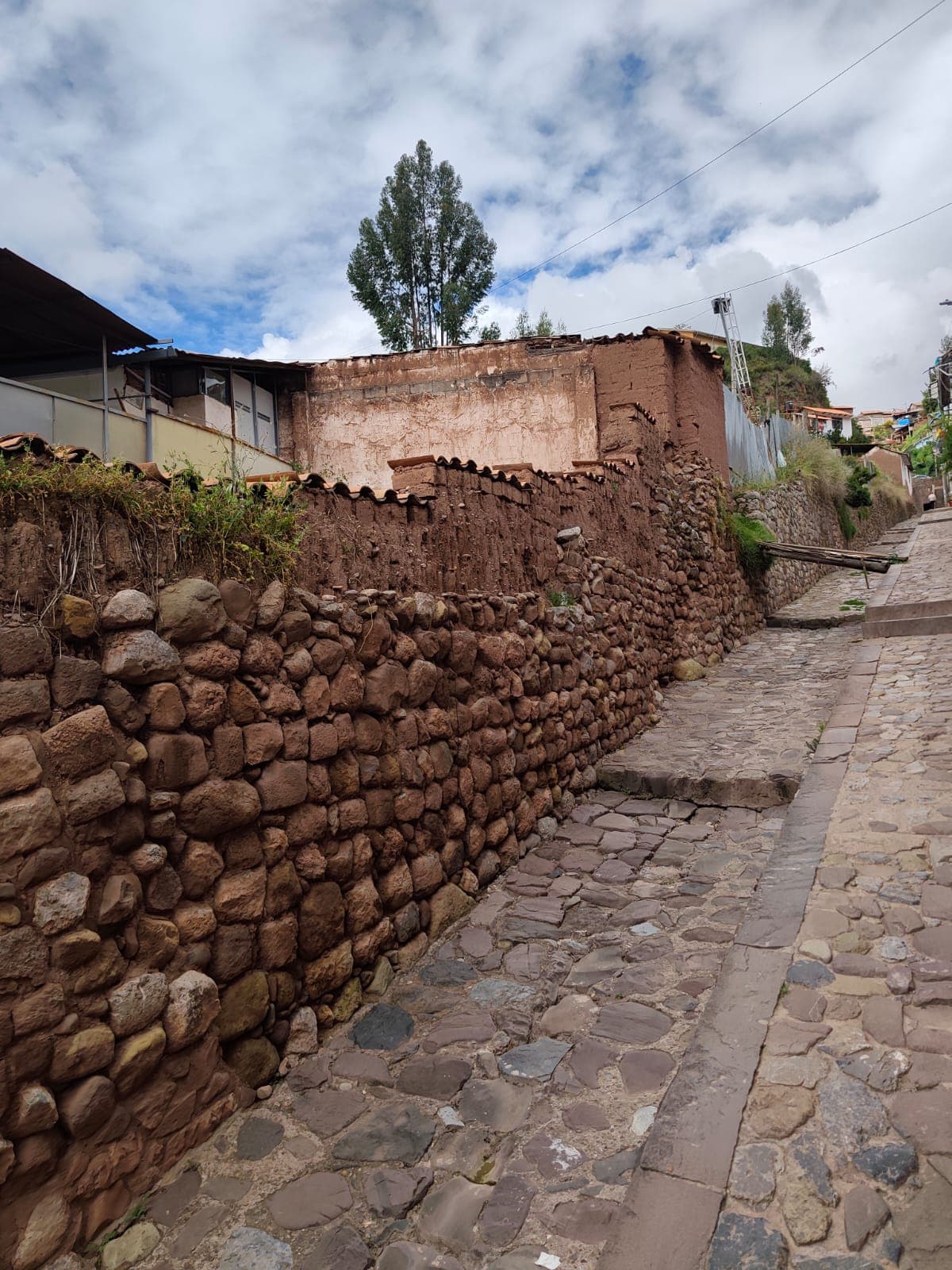
Photo : JEAMpisho (CC BY 4.0)
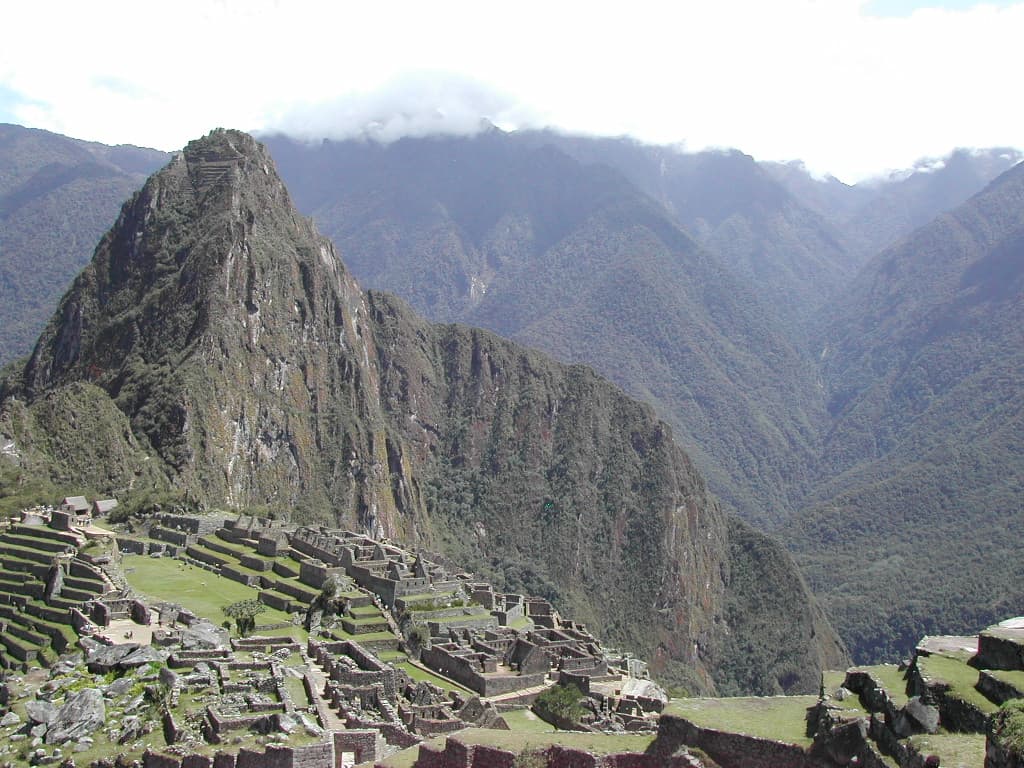
This extensive network of roads traverses the Andes mountains across several South American countries, with the largest concentration in Peru. Constructed and expanded over centuries, primarily during the Inca Empire, the road system served administrative, military, and commercial purposes, connecting diverse ecological zones and facilitating communication across challenging mountain terrain. The routes range from narrow mountain paths to wider sections and include tunnels, bridges, and stone-paved surfaces that demonstrate sophisticated engineering adapted to steep gradients and variable climate conditions. Qhapaq Ñan represents a remarkable achievement in pre-Columbian infrastructure, integrating tens of thousands of kilometers of pathways that linked settlements, agricultural areas, and sacred sites throughout the Andean region. The physical remains visible today include sections of original paving, drainage systems, and architectural elements that illustrate the technical knowledge and organizational capacity of Andean civilizations. This network continues to hold cultural significance for indigenous communities and serves as evidence of complex societies that flourished before European contact.