Cultural
Seowon, académies néo-confucéennes coréennes
Corée du Sud
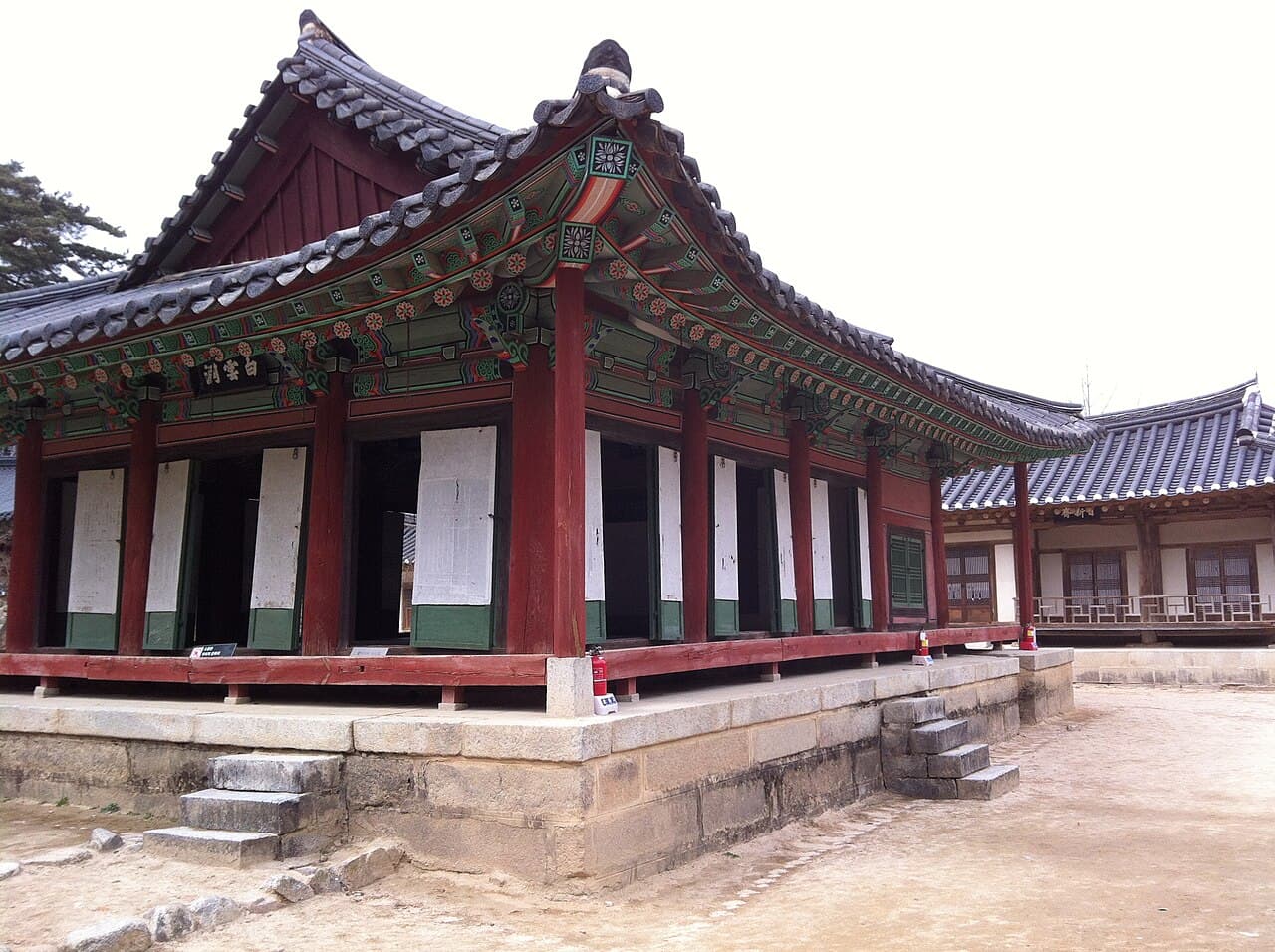
Photo : Jjw (CC BY-SA 3.0)
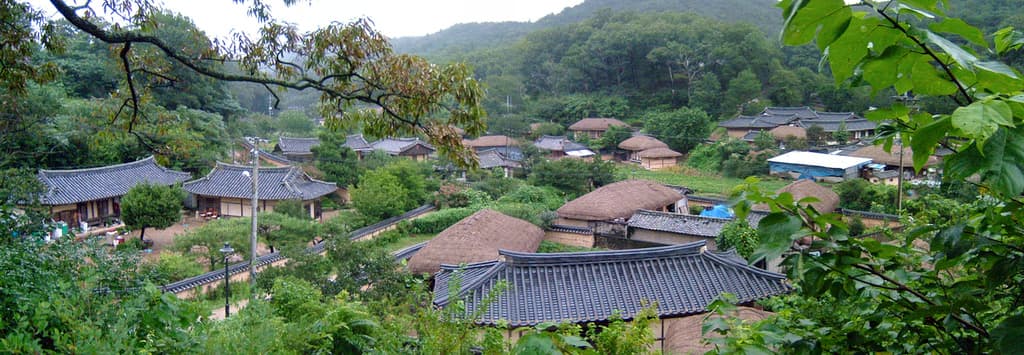
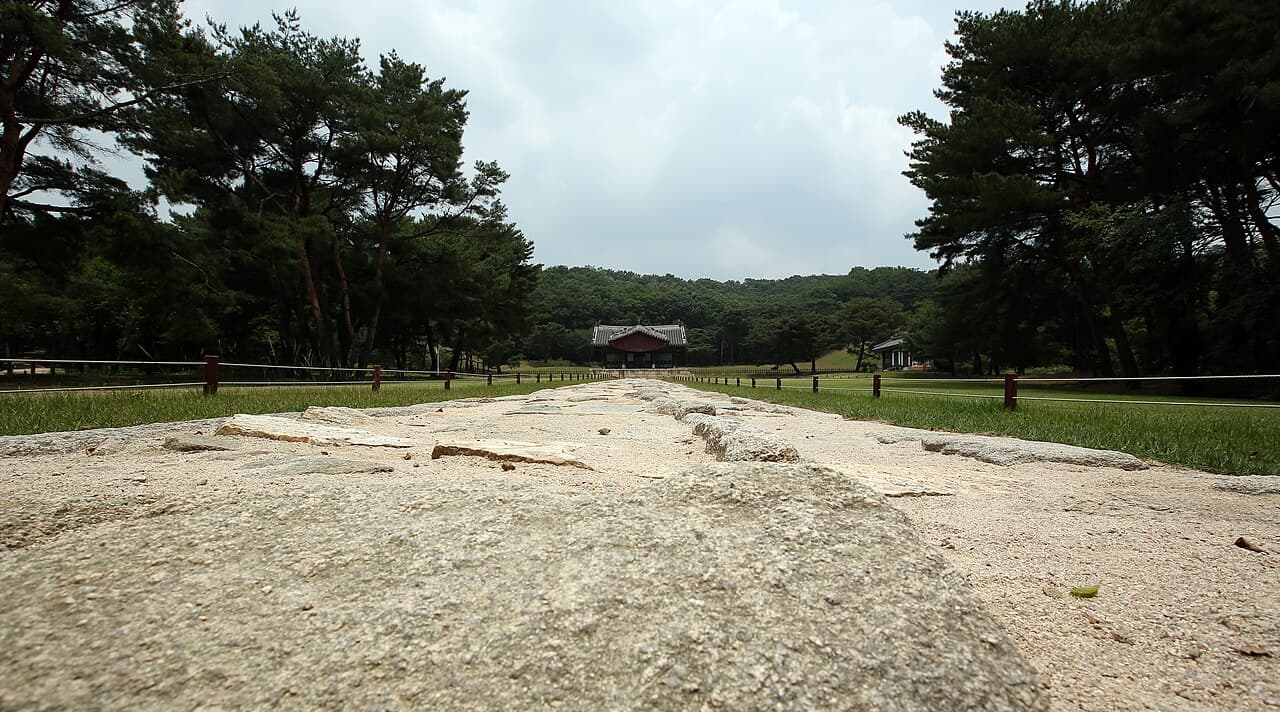
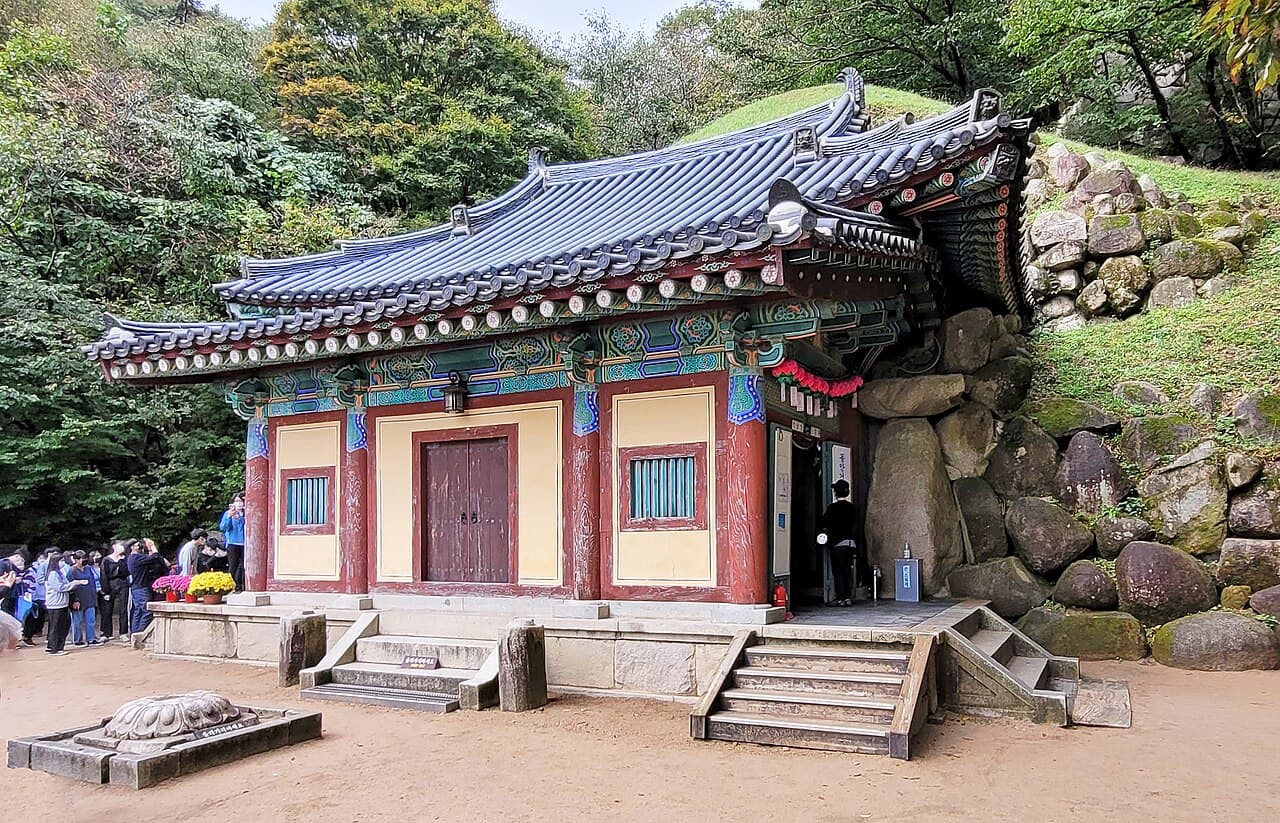
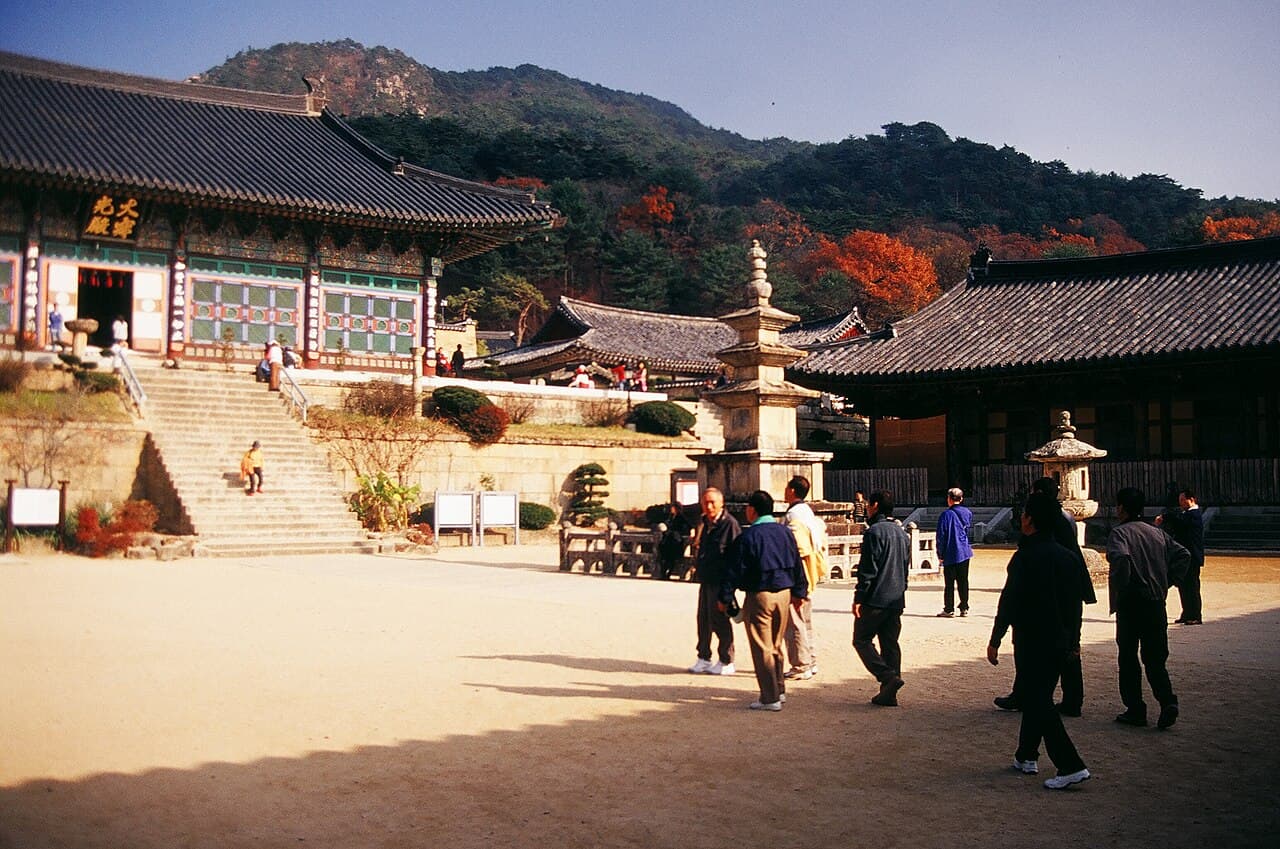
These Korean neo-Confucian academies, known as Seowon, represent a distinctive institutional and educational development that emerged during the Joseon Dynasty. Built in natural settings throughout South Korea, these academies served as centers for the study of neo-Confucian philosophy, scholarship, and moral cultivation, functioning as both educational institutions and sacred spaces dedicated to revered scholars. The Seowon are characterized by their architectural layout, which typically includes classroom buildings, residential quarters, and shrine halls, harmoniously integrated into mountainous or valley landscapes. These establishments played a significant role in spreading neo-Confucian ideology throughout Korean society and influenced the intellectual and social structures of East Asia. The sites collectively reflect the historical importance of Seowon as repositories of Korean cultural and philosophical heritage during the medieval and early modern periods. Their continued preservation demonstrates the enduring value of these academies as evidence of Korea's distinctive educational traditions and neo-Confucian scholarly practices.