Cultural
Hiraizumi – Temples, jardins et sites archéologiques représentant la Terre Pure bouddhiste
Japon
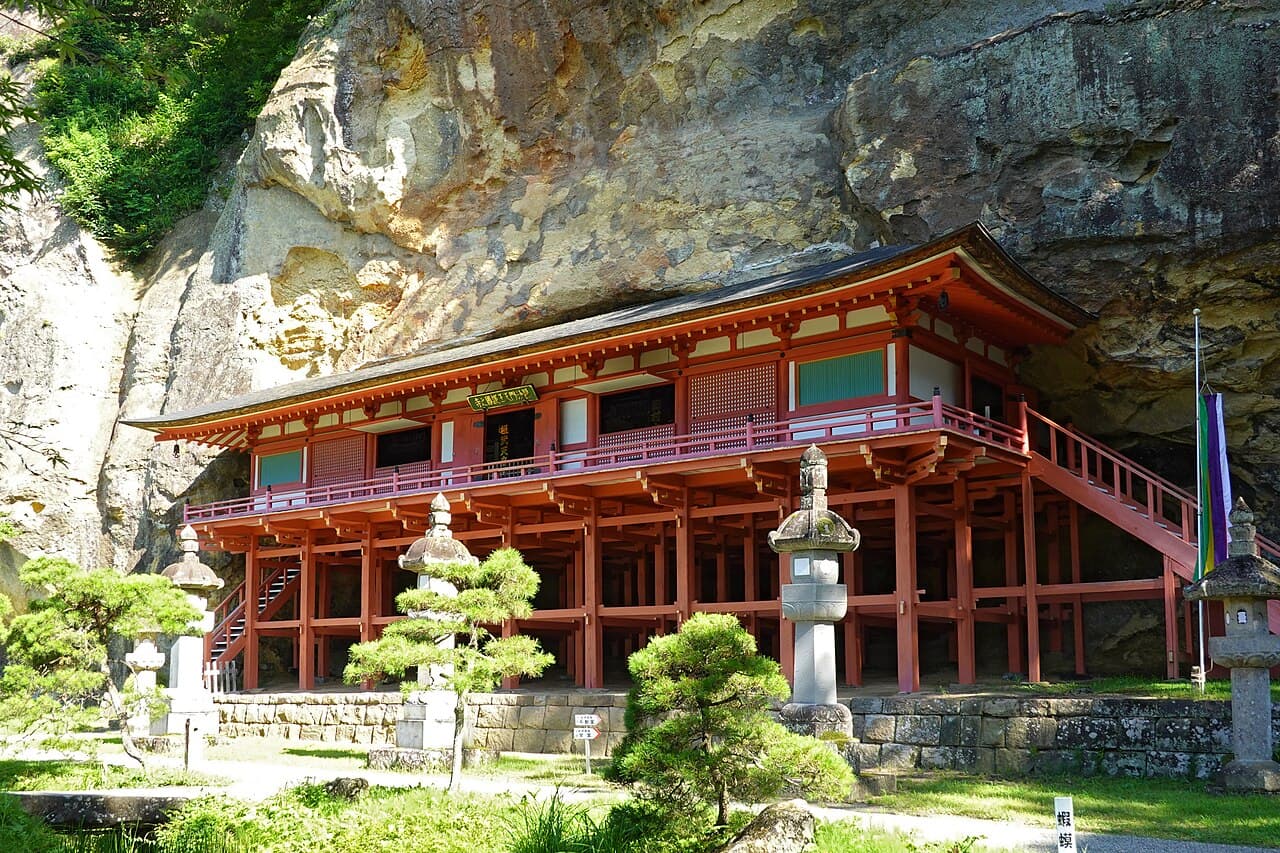
Photo : 663highland (CC BY-SA 4.0)
Located in northeastern Japan in the Iwate Prefecture, Hiraizumi represents a remarkable concentration of temples, gardens, and archaeological sites that developed around the concept of the Pure Land, a central doctrine in Mahayana Buddhism. The site comprises several sacred structures and landscapes dating primarily from the 11th and 12th centuries, when the region became an important spiritual and cultural center. The temples feature distinctive architectural styles characteristic of the Heian period, while their surrounding gardens embody Buddhist cosmological principles through careful design and arrangement. Archaeological investigations have revealed extensive evidence of the settlement patterns and urban planning that supported these religious institutions. The ensemble demonstrates how Japanese interpreters adapted Buddhist philosophy into tangible spatial and architectural forms that reflect their understanding of the Pure Land paradise. This integration of religious belief with landscape design and urban development justifies the site's recognition as a significant testimony to the cultural interchange between Buddhist traditions and Japanese aesthetics during the medieval period.