Cultural
Surtsey
Islande
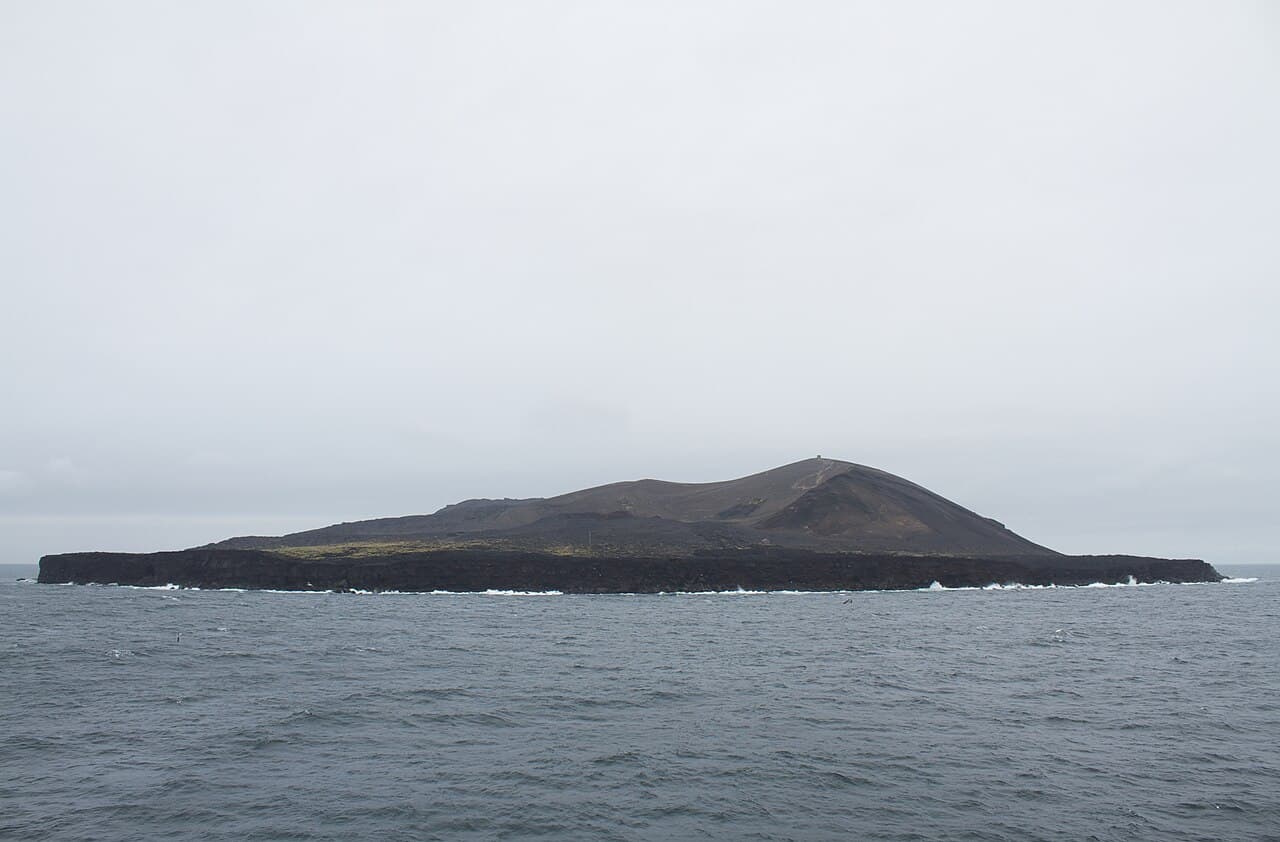
Photo : Brian Gratwicke (CC BY 2.0)
This volcanic island emerged from the North Atlantic Ocean off the coast of Iceland in 1963 following a submarine eruption, making it one of the world's youngest landmasses. Surtsey represents an exceptional natural laboratory for studying the colonization of newly formed land by plants, animals, and microorganisms in a pristine environment. The island's geological features include lava fields, tephra deposits, and volcanic cones that document the processes of island formation and early ecosystem development. Located in the Westman Islands archipelago in southern Iceland, Surtsey has been protected as a nature reserve since its emergence, with access strictly limited to scientific researchers. Its significance lies in the opportunity it provides for long-term observation of ecological succession and the natural recolonization of barren volcanic terrain. The site's scientific value derives from decades of continuous monitoring that have documented how life gradually establishes itself on previously uninhabited ground.