Cultural
Tombe de Humayun, Delhi
Inde
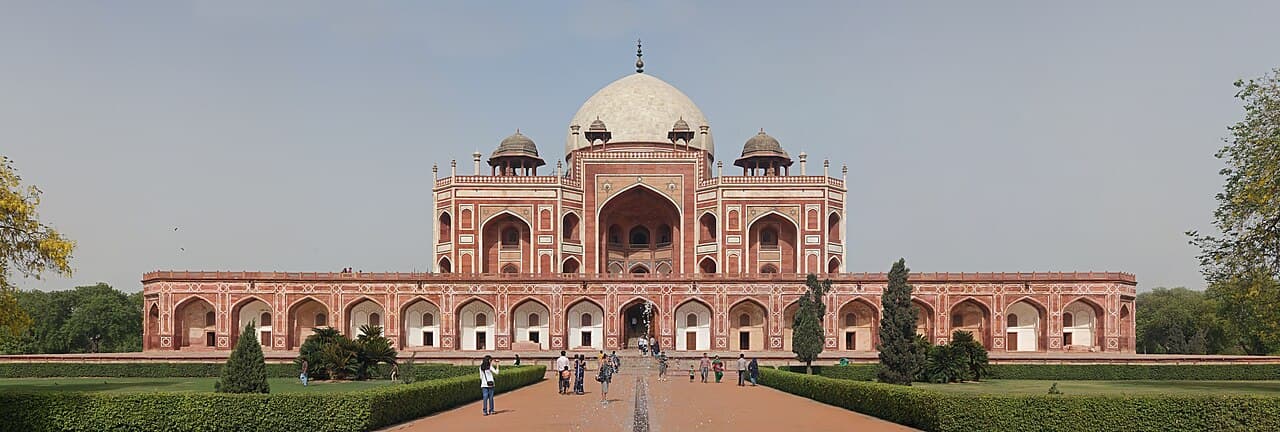
Photo : Muhammad Mahdi Karim (GFDL 1.2)
Located in Delhi, India, this monument represents a significant example of Mughal architecture from the 16th century. The tomb was constructed for Emperor Humayun following his death and exemplifies the architectural principles and design innovations that characterized the Mughal period. The site features characteristic elements of Mughal garden design, with its formal layout and integration of water features, which established a model for subsequent monumental tombs in the Indian subcontinent. The structure demonstrates refined craftsmanship through its use of red sandstone with marble and stone inlay work, along with its distinctive domed architecture. The monument occupies an important place in the development of Islamic architecture in India and reflects the cultural synthesis achieved during the Mughal era. As a well-preserved example of Mughal imperial funerary architecture, the site documents a crucial period in Indian architectural history.