Cultural
Fatehpur Sikri
Inde
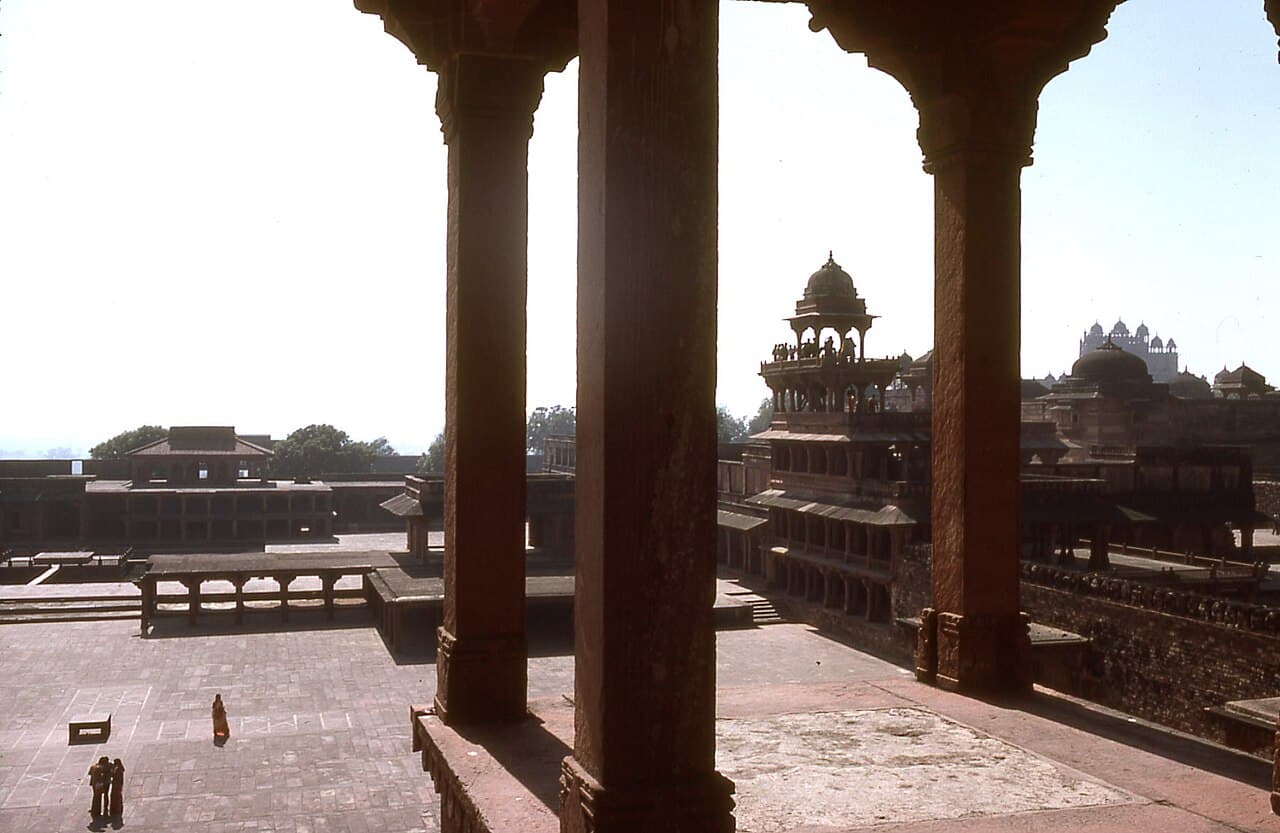
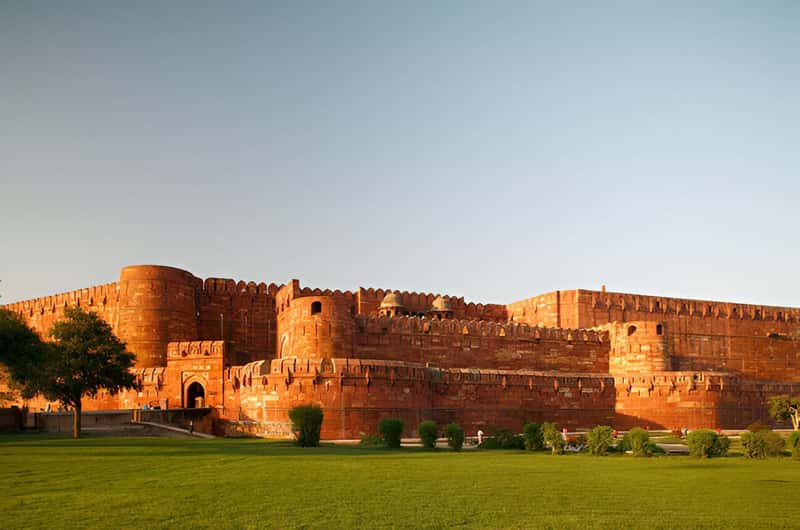
This exceptional fortified city, located in the Agra district of Uttar Pradesh in northern India, was constructed in the 16th century as the capital of the Mughal Empire under Emperor Akbar. Built on a ridge of sandstone, Fatehpur Sikri represents a remarkable example of Mughal urban planning and architecture, combining Hindu, Islamic, and Persian architectural traditions. The site comprises several interconnected palaces, administrative buildings, mosques, and courtyards arranged within fortified walls, showcasing sophisticated design principles characteristic of the Mughal period. The architecture features distinctive elements such as intricate stone carvings, ornamental latticed screens, and spacious courtyards that reflect the cultural synthesis achieved during Akbar's reign. Though abandoned as the capital within a few decades of its founding, the city's preservation has made it an invaluable record of 16th-century Mughal civilization and governance structures. The site was inscribed as a UNESCO World Heritage property in recognition of its outstanding architectural and historical significance as a complete example of Mughal town planning and design.