Cultural
Rani-ki-Vav (le puits à degrés de la Reine) à Patan, Gujerat
Inde
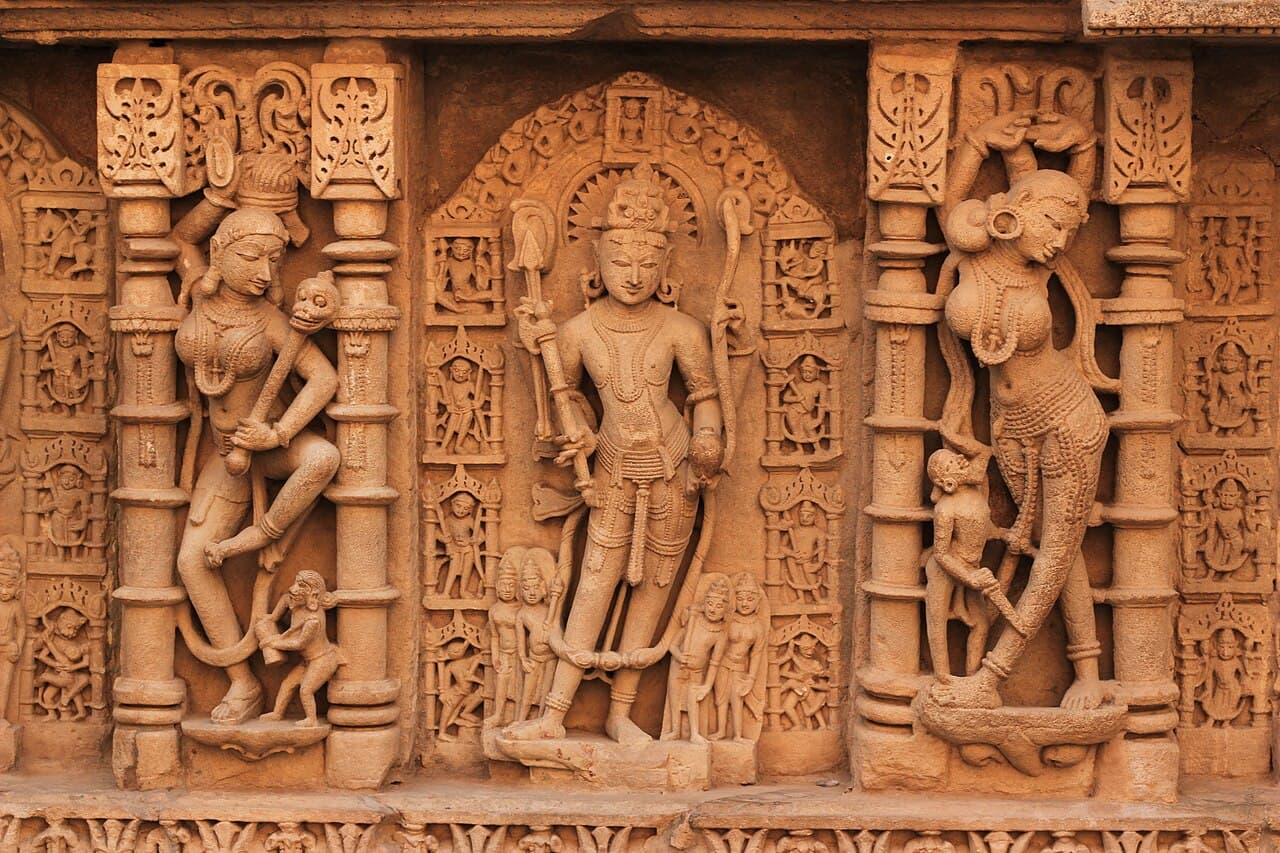
Photo : Snehrashmi (CC BY-SA 4.0)
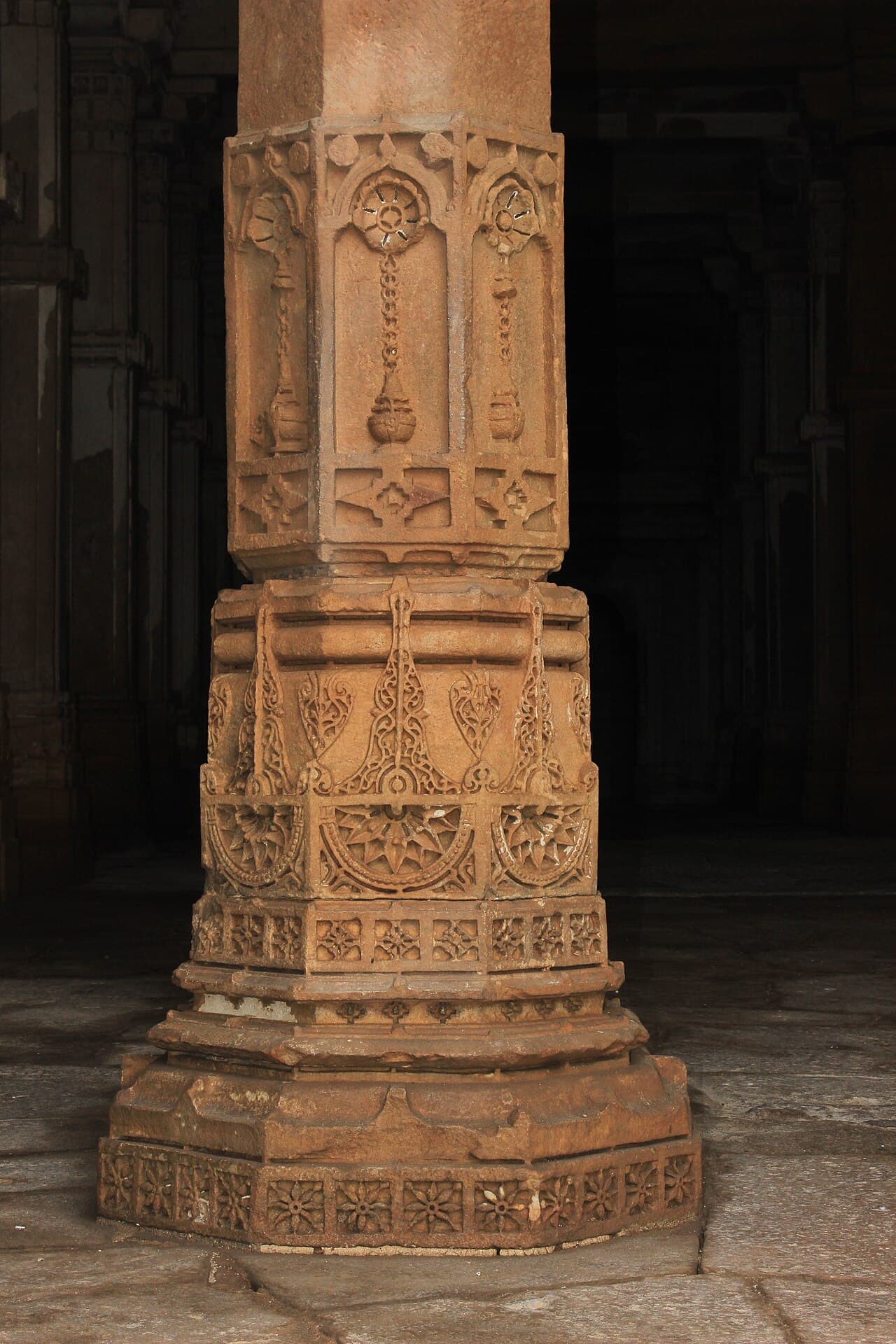
Located in Patan, Gujarat, this stepped well represents a distinctive form of water management architecture developed in medieval India. Built as a royal commission, the structure demonstrates the sophisticated engineering and artistic integration characteristic of Indian water architecture from the 11th century onwards. The well descends through multiple levels connected by intricately carved stone steps, with the internal walls featuring detailed sculptural reliefs and architectural ornamentation. The design serves both functional and aesthetic purposes, facilitating access to water while showcasing elaborate stone carving typical of the region's sculptural traditions. The site exemplifies the cultural and technological achievements of its period, combining hydraulic engineering with decorative architectural elements. Its recognition reflects the historical significance of stepped wells as important monuments of Indian heritage and their role in understanding medieval settlement patterns and water management practices in arid regions.