Cultural
Grottes d'Ajanta
Inde
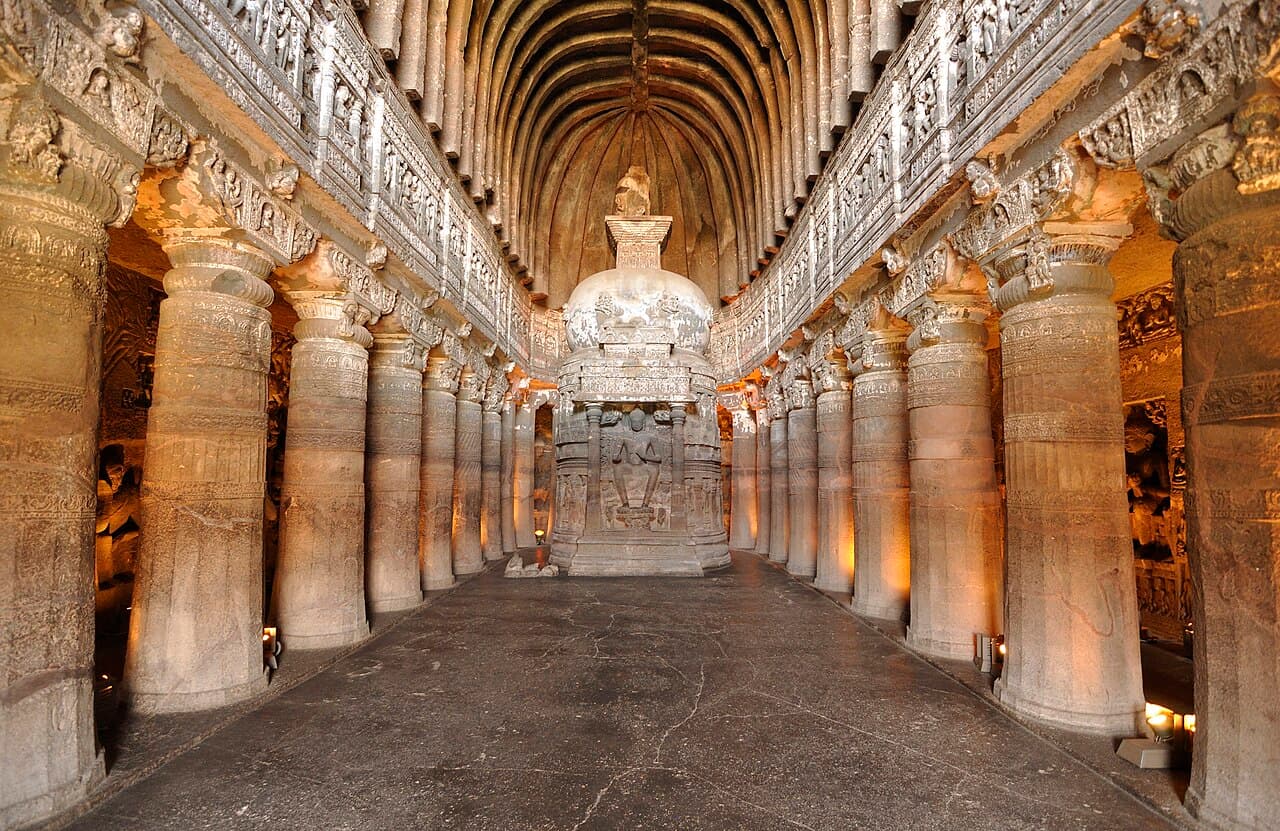
Photo : Dey.sandip (CC BY-SA 3.0)
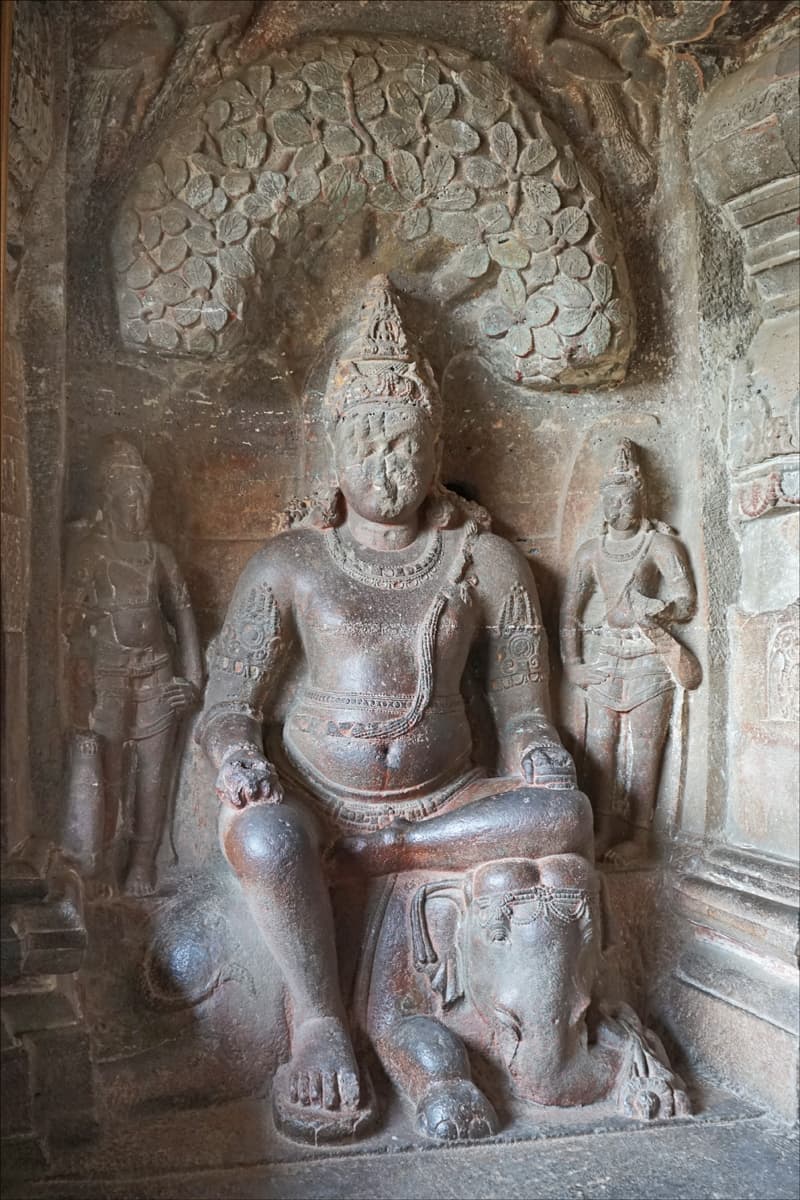
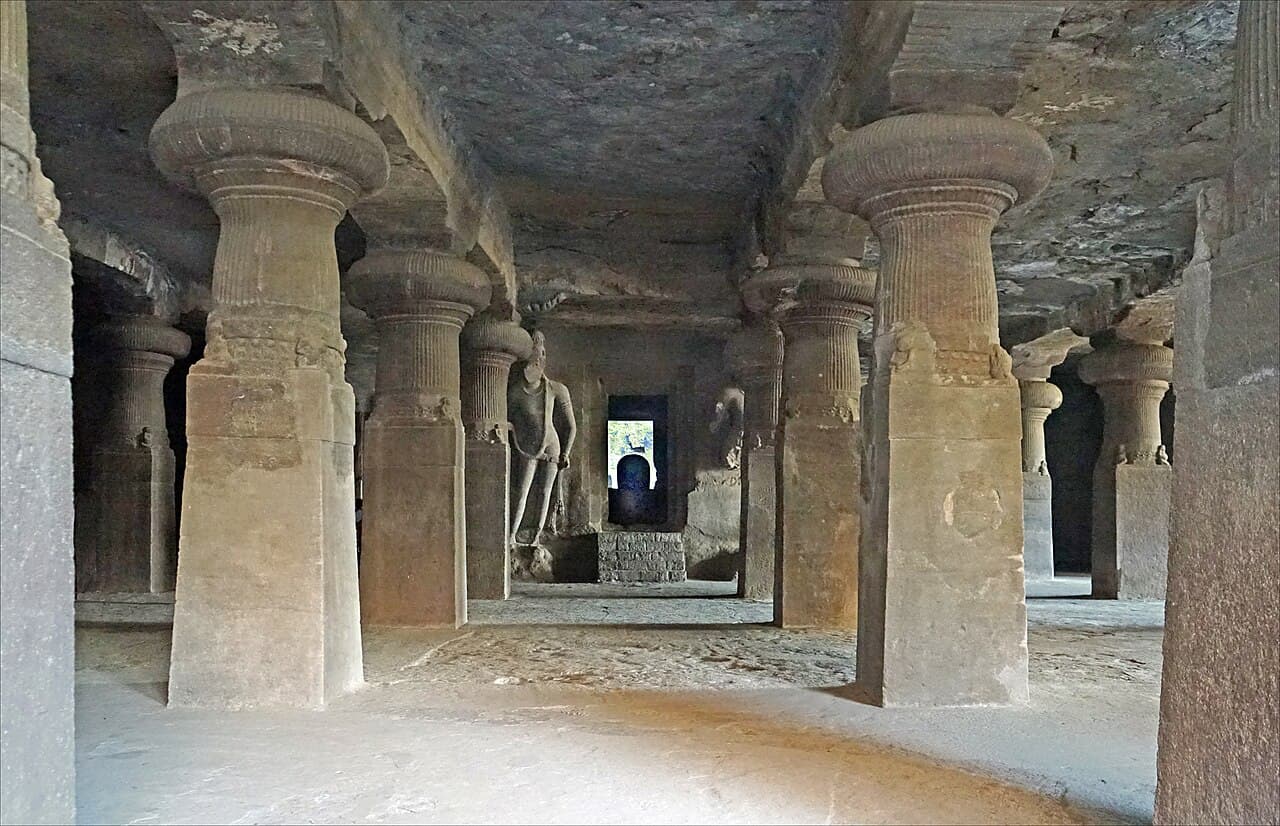
Located in Maharashtra, India, this site comprises a series of rock-cut Buddhist caves situated in a horseshoe-shaped ravine. The caves, which date from the 2nd century BCE to the 5th century CE, represent a significant development in Indian rock-cut architecture and serve as an important center of Buddhist religious and artistic activity. The site is notable for its carved stone chambers, including monasteries and prayer halls, which showcase the evolution of Buddhist architectural practices over several centuries. The caves are distinguished by their elaborate interior decoration, particularly their wall paintings and sculptural elements that illustrate Buddhist themes and narratives. The artistic and architectural achievements of the site, along with its historical importance to Buddhist civilization in India, form the basis for its cultural significance. The caves reflect the artistic traditions and religious practices of their period and remain an important testament to the development of Buddhist culture in the Indian subcontinent.