Cultural
Tumulus, pierres runiques et église de Jelling
Danemark
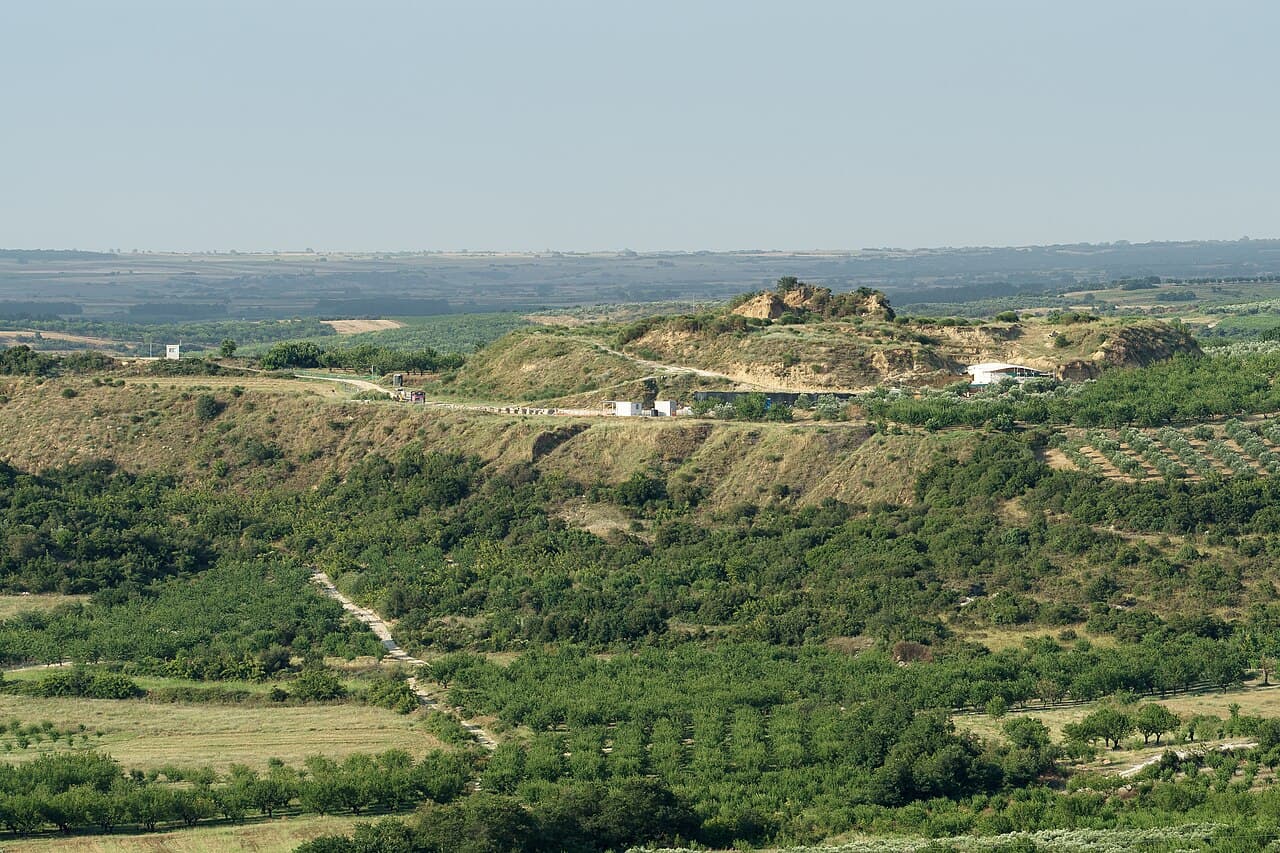
Photo : Neptuul (CC BY-SA 4.0)
Located in Jelling, Denmark, this cultural site encompasses a significant ensemble of Viking Age monuments comprising two large earthen mounds, two runic stones, and a Romanesque church. The tumuli and runestones date to the 10th century and were erected by the Danish royal family, serving as monumental markers of dynastic power and the adoption of Christianity in Scandinavia. The larger runestone, known as the Jelling Stone, bears one of the oldest depictions of the Christian cross in the Nordic region alongside runic inscriptions. The church was constructed at a later period, built directly between the two mounds, demonstrating the continuity and transformation of the site's sacred significance over time. This archaeological complex provides exceptional evidence of the transition from Viking paganism to Christianity in Northern Europe and the consolidation of royal authority in medieval Denmark. The site represents a rare and well-preserved example of how monumental commemoration practices evolved across religious and cultural transformations in Scandinavia.