Cultural
Monastère de Maulbronn
Allemagne
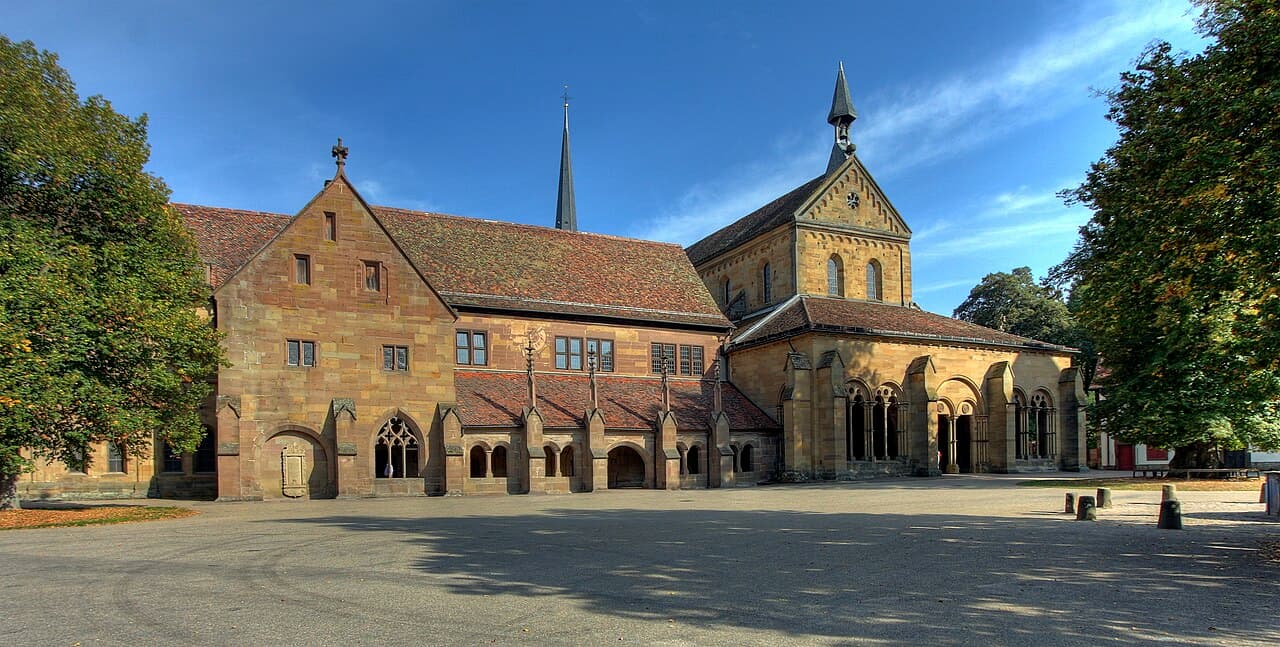
Photo : Elke Wetzig (Elya) (CC BY-SA 3.0)
Located in Baden-Württemberg in southwestern Germany, this Cistercian monastery represents one of the most significant examples of Gothic architecture in the German-speaking world. Founded in the 12th century, the monastery exemplifies the architectural and spiritual ideals of the Cistercian order, with its layout and buildings reflecting the monastic way of life across several centuries. The site comprises a harmonious ensemble of structures including the church, cloister, refectory, and various residential and functional buildings, many of which showcase distinctive Gothic features. The monastery's architectural unity and the preservation of its medieval urban planning within the surrounding walls demonstrate the evolution of monastic design from the Romanesque to the late Gothic periods. Its inscription as a UNESCO World Heritage Site recognizes its outstanding universal value as a testimony to the Cistercian movement and its profound influence on European religious, cultural, and architectural traditions. The monastery remains a notable example of how religious communities shaped the landscape and architectural heritage of medieval Europe.