Natural
Parc national Alejandro de Humboldt
Cuba
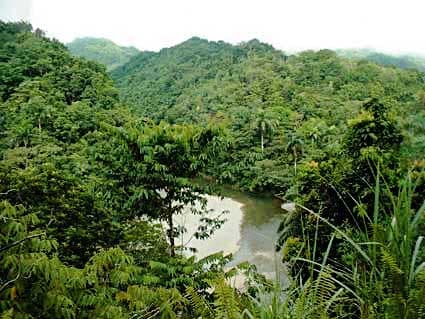
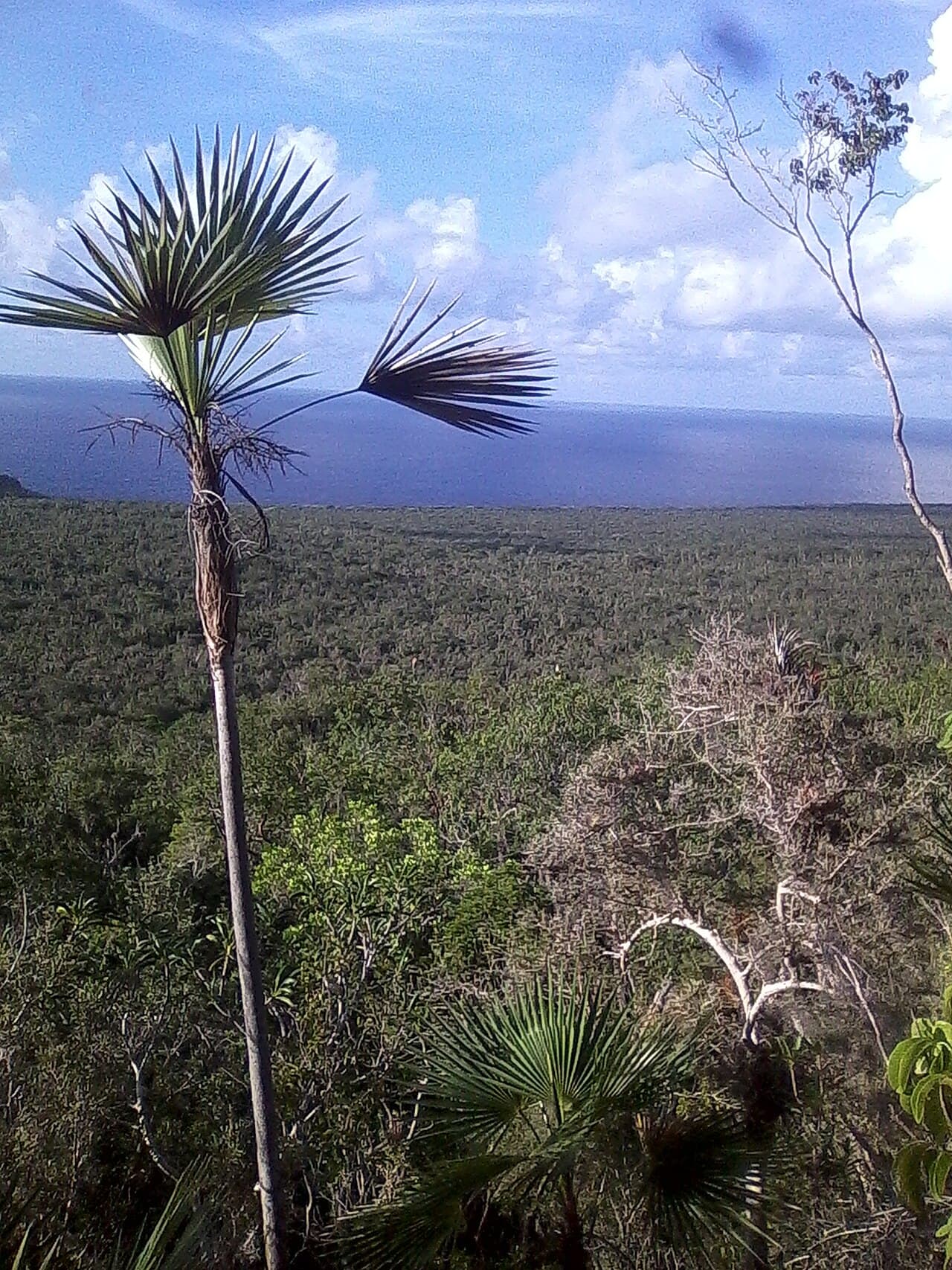
Photo : Antonio Núñez Jiménez (CC BY-SA 3.0)
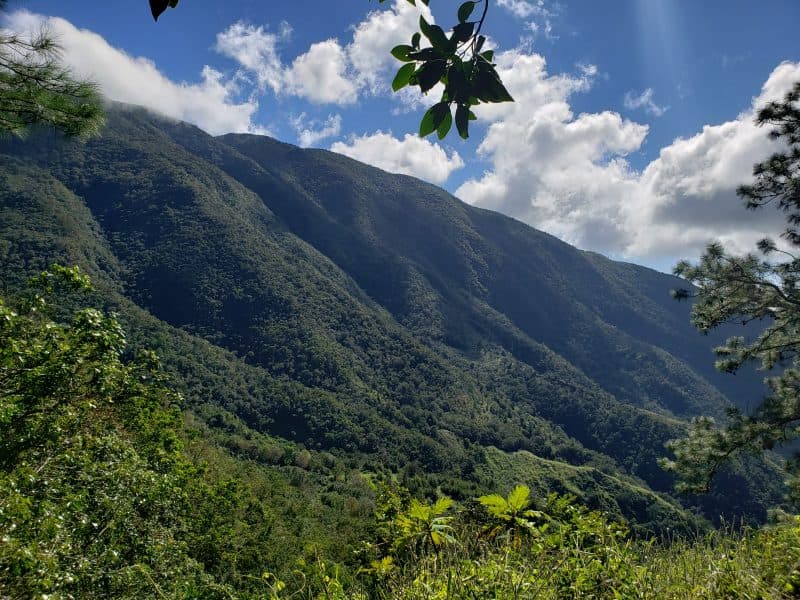
Located in the northeastern region of Cuba on the island of Hispaniola, this national park encompasses a diverse landscape of mountains, wetlands, and coastal areas along the Caribbean Sea. The site represents one of Cuba's most biodiverse protected areas, harbouring numerous endemic plant and animal species found nowhere else on Earth. Its ecological significance lies in the presence of multiple interconnected ecosystems, from montane forests to mangrove swamps and marine environments, which support the region's rich biodiversity. The park's varied topography and pristine natural habitats have warranted its recognition as a natural World Heritage site, reflecting its outstanding universal value for biological conservation. The area's geographical position and isolation have contributed to the evolution of unique species assemblages that make it scientifically valuable for understanding Caribbean natural heritage. The park remains largely undeveloped, preserving its wilderness character and ecological integrity for both conservation and research purposes.