Cultural
Temple du Ciel, autel sacrificiel impérial à Beijing
Chine
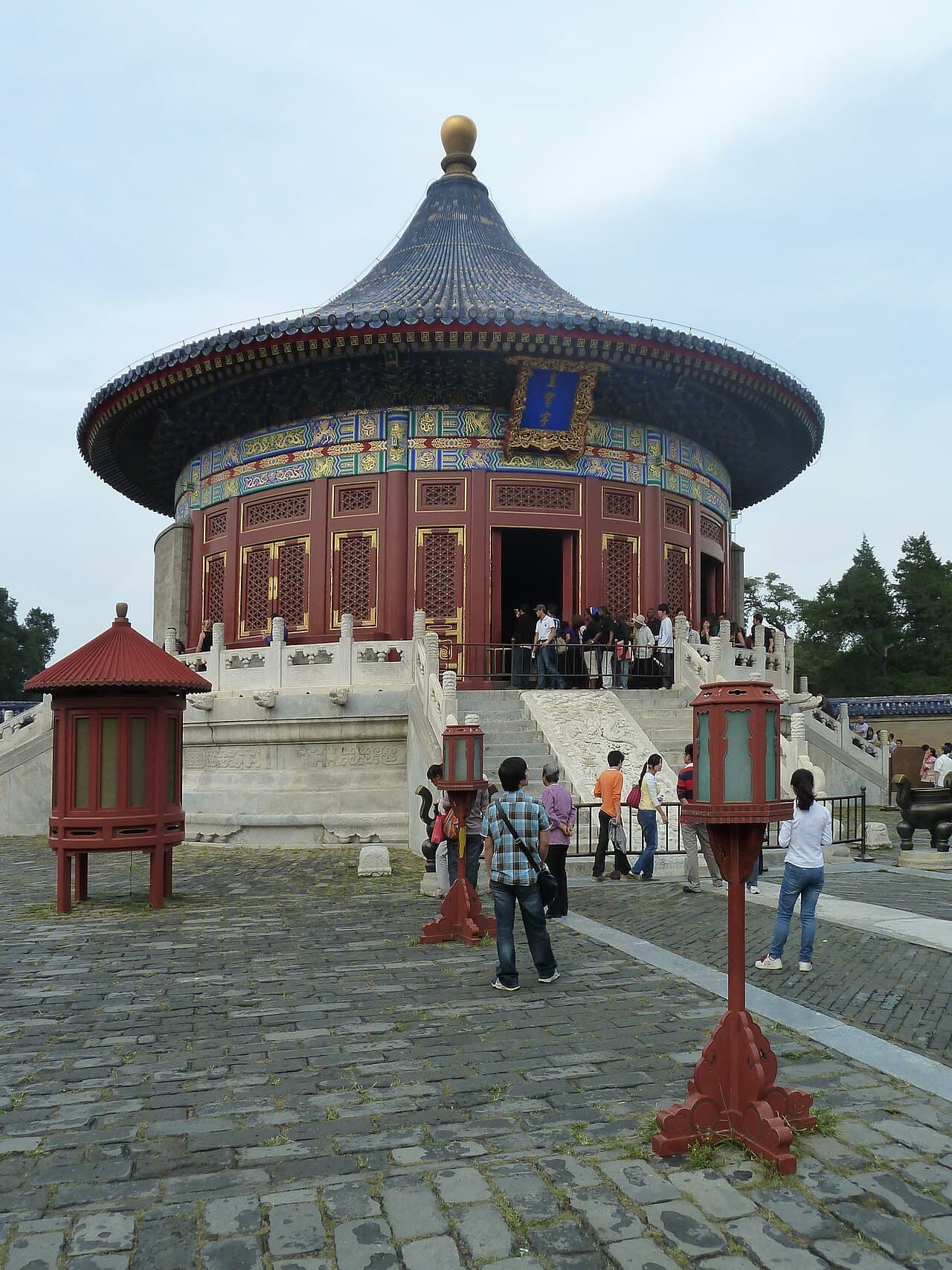
Photo : Pierre André Leclercq (CC BY-SA 4.0)
This imperial sacrificial altar located in Beijing served as the principal ceremonial center where Chinese emperors of the Ming and Qing dynasties performed rituals to honor Heaven and pray for favorable harvests. The complex represents a masterpiece of architectural and cosmological planning, with its layout and structures reflecting ancient Chinese philosophical concepts of the relationship between Heaven and Earth. Built according to strict symbolic principles, the site comprises multiple altars, halls, and auxiliary buildings arranged concentrically within walled enclosures. The Temple of Heaven's design influenced religious and administrative architecture throughout East Asia and remains an exceptional testimony to imperial religious practices and Chinese cosmology. Its architectural elements, particularly the marble balustrades, ceramic roof decorations, and the famous circular altar, demonstrate sophisticated construction techniques and artistic craftsmanship of their period. The site preserves invaluable evidence of Ming and Qing dynasty court rituals and the spiritual worldview that underpinned imperial governance in imperial China.