Cultural
Site de l'homme de Pékin à Zhoukoudian
Chine
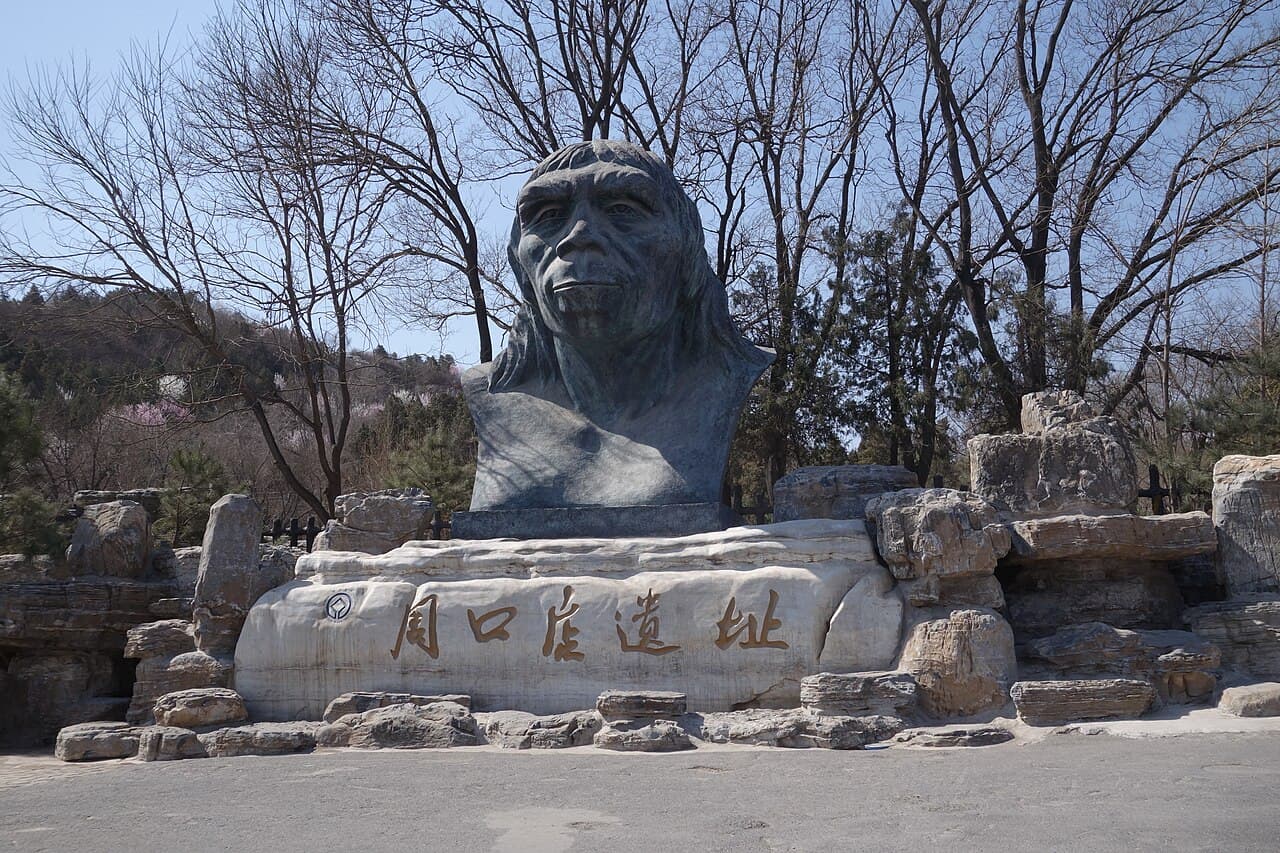
Photo : Siyuwj (CC BY-SA 3.0)
Located near Beijing in the Zhoukoudian area of China, this archaeological site marks the location where remains of Homo erectus, commonly known as Peking Man, were discovered. The excavations at this site, which began in the 1920s, yielded significant fossil evidence and stone tools that contributed substantially to the understanding of human evolution and early hominin behaviour. The site is situated in a region with Pleistocene geological layers that have preserved important palaeontological and archaeological material. Its cultural significance lies in the documentation of early human settlement patterns and the development of stone tool technology during the middle Pleistocene period. The landscape today comprises excavation areas, research facilities, and a museum that present the findings and ongoing studies related to the site's discoveries.