Cultural
Mont Wuyi
Chine
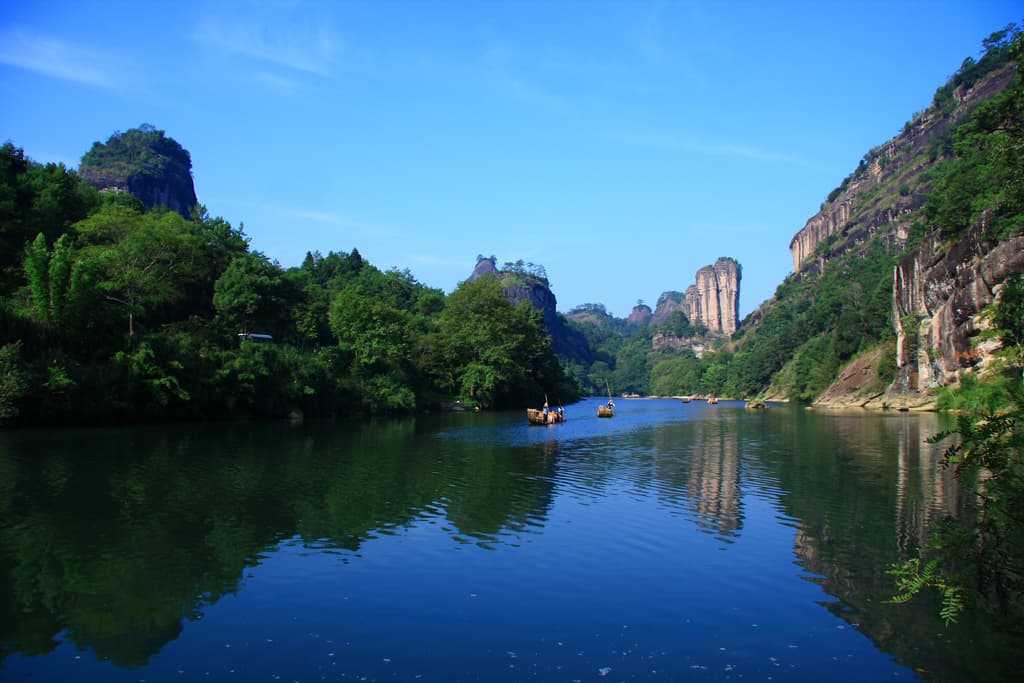
Photo : 老过 (CC BY 2.5 cn)
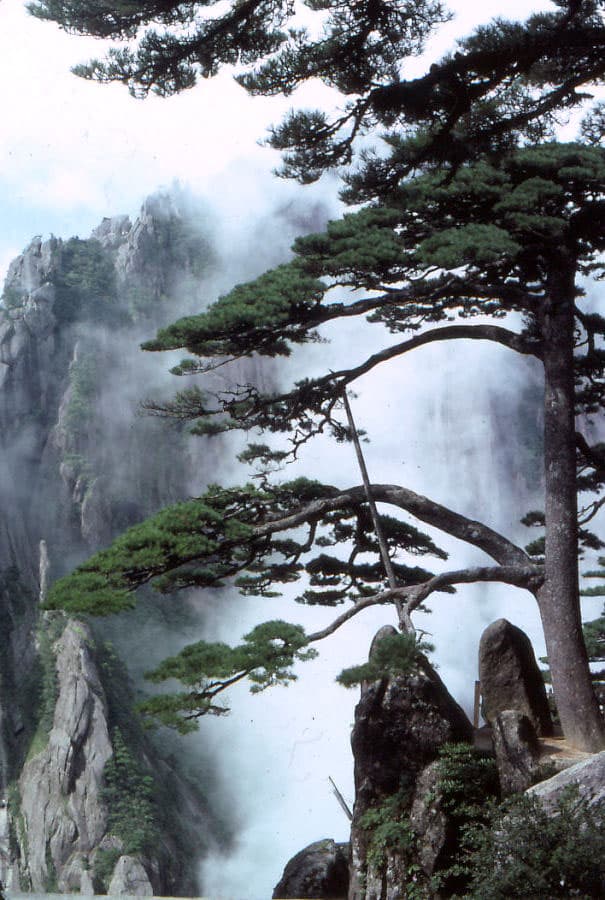
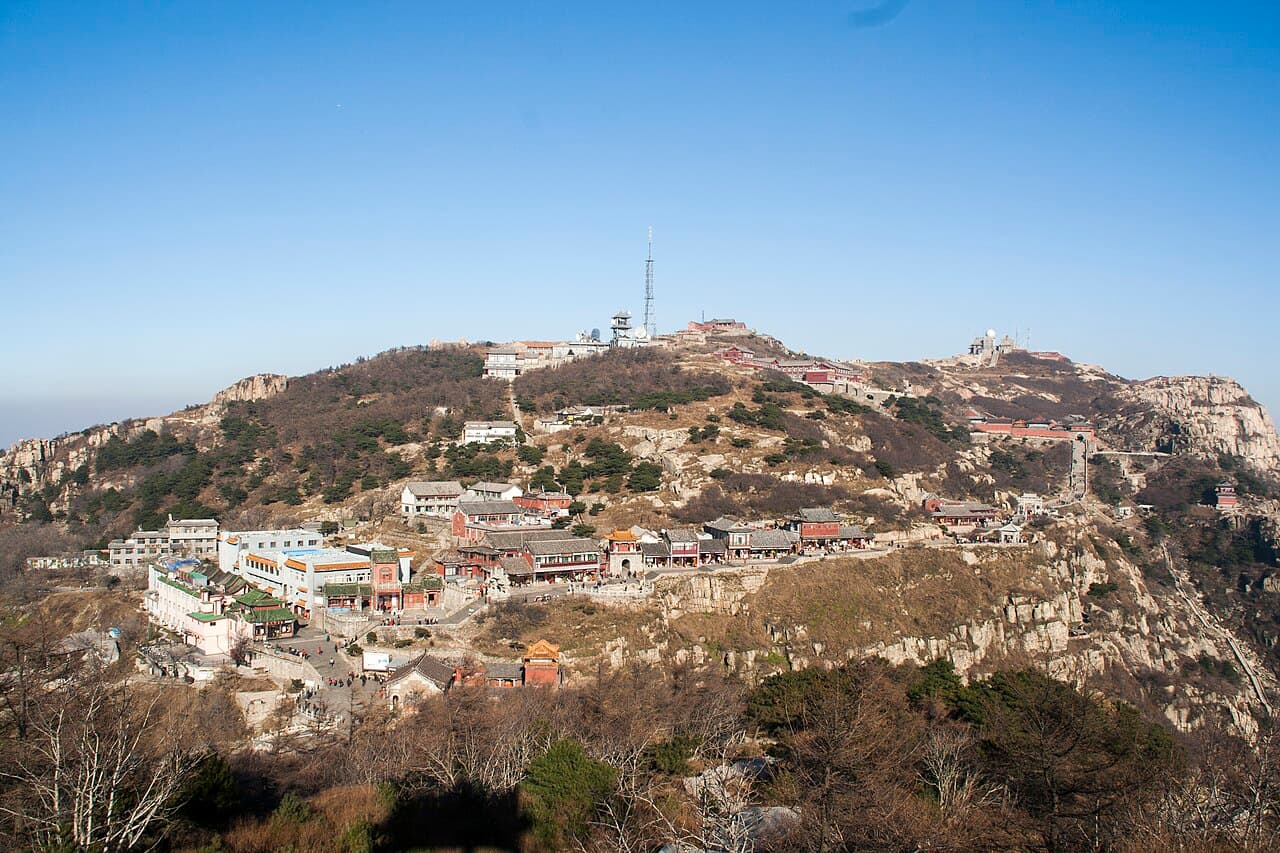
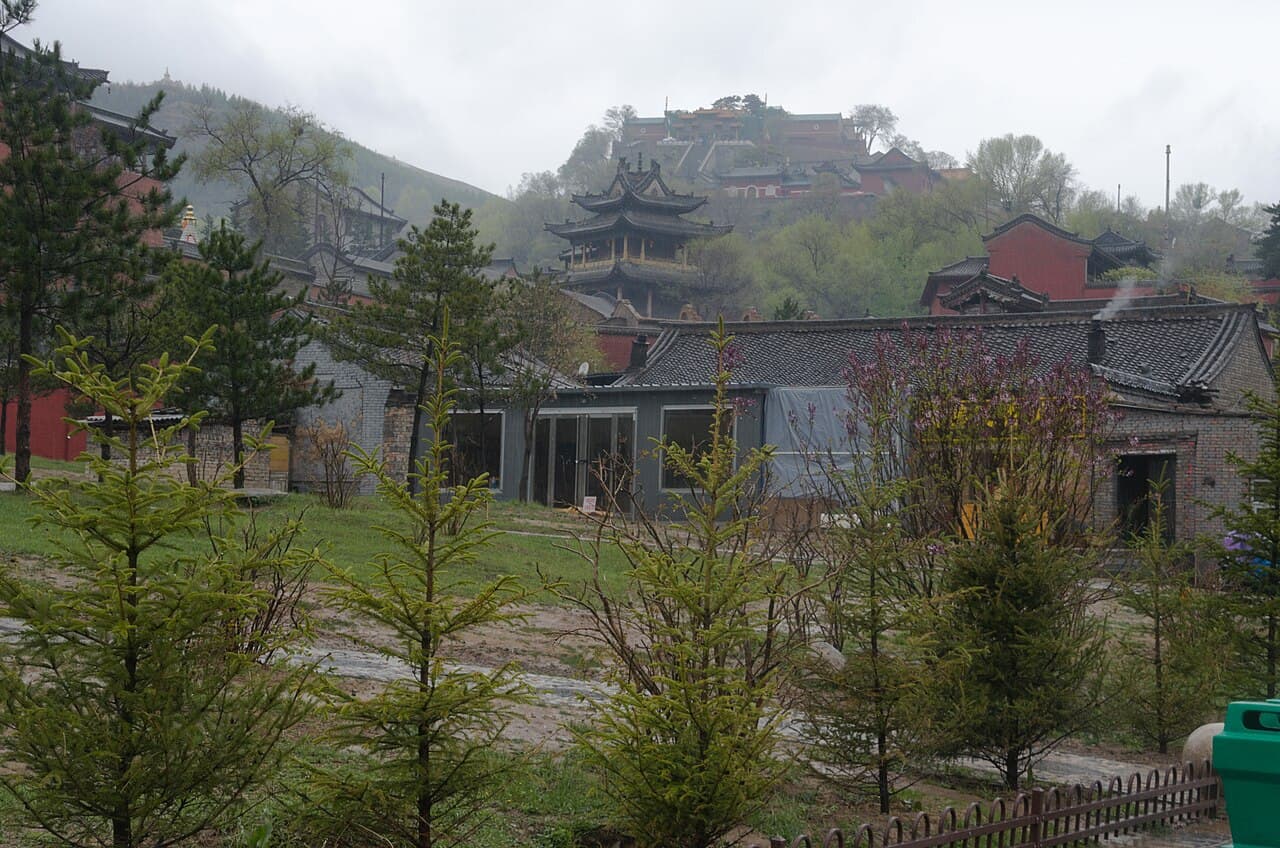
Located in the northwestern part of Zhejiang Province in southeastern China, this mountain site encompasses a landscape of striking natural beauty characterized by steep granite peaks, deep ravines, and the winding Jiuqu River. The site represents an outstanding example of the interaction between natural and cultural heritage, combining exceptional scenic qualities with significant historical and cultural importance. Mont Wuyi has served as a center of Chinese philosophical and religious development for centuries, hosting temples, monasteries, and residences of notable scholars, particularly during the Song Dynasty when Neo-Confucianism flourished here. The dramatic topography features vertically jointed rock formations that create a distinctive visual character, with numerous caves and sheltered areas that have been inhabited and utilized throughout history. The site also contains archaeological evidence of early human settlement dating back to the Neolithic period. This combination of geological significance, cultural heritage, and historical continuity establishes Mont Wuyi as a culturally important landscape that reflects the profound relationship between Chinese civilization and its natural environment.