Cultural
Le Grand Canal
Chine
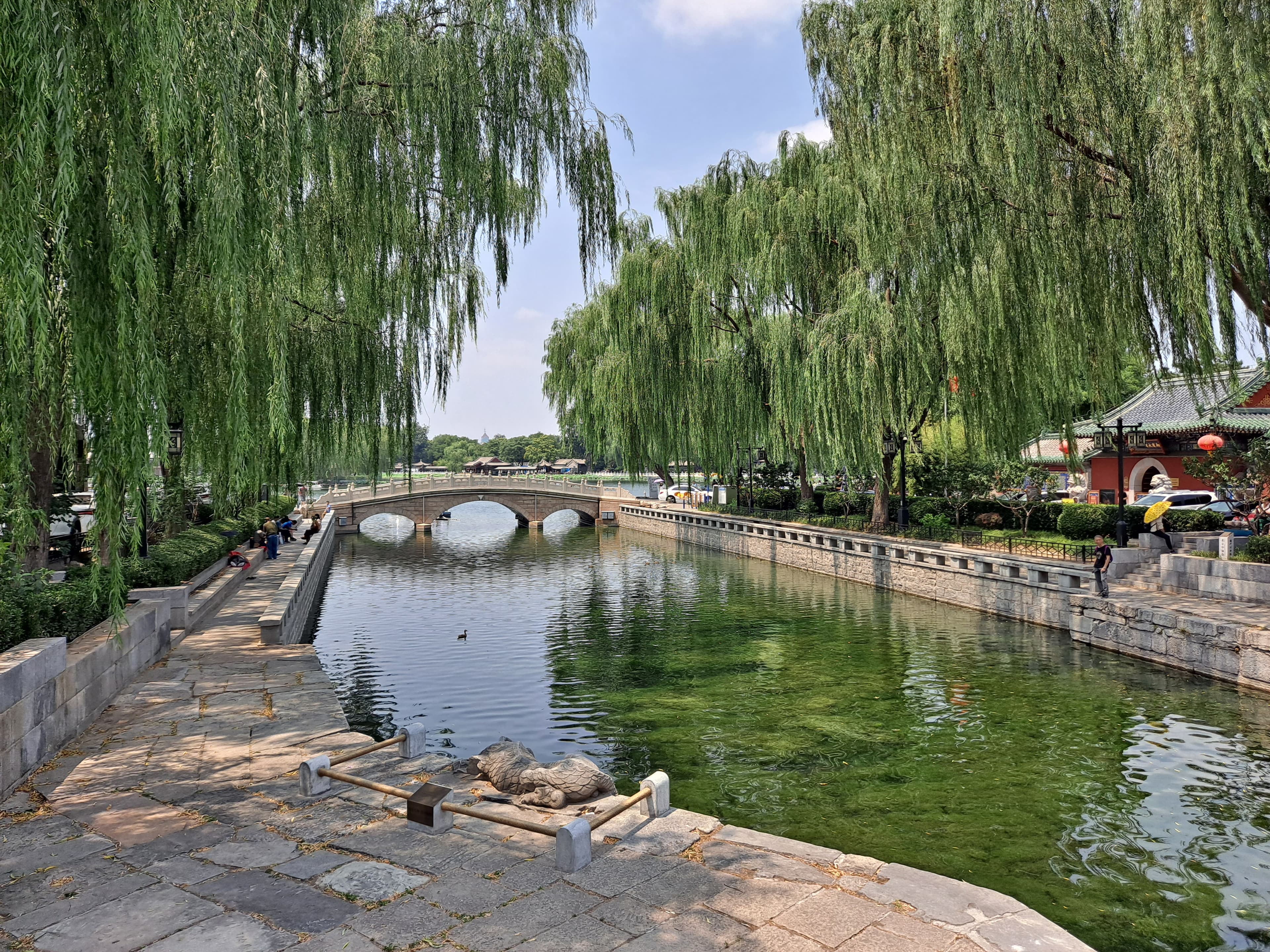
This extensive waterway system in China represents one of the world's most significant artificial canal networks, connecting major river systems and facilitating trade and communication across the country for centuries. The canal's construction and development over multiple dynasties reflect important advances in hydraulic engineering and demonstrates the sophisticated infrastructure capabilities of Chinese civilizations. Stretching through diverse geographical regions, the Grand Canal passes through flat plains, hills, and connects various provincial areas, serving as a vital artery for both economic and cultural exchange. The waterway is characterized by its series of locks, bridges, and sluice gates that manage water levels and facilitate navigation, alongside numerous historical towns and cities that developed along its banks. The site's UNESCO inscription recognizes its outstanding universal value as a testament to human ingenuity in large-scale water management and its role in shaping the political, economic, and cultural development of China over many centuries. Today, portions of the canal remain navigable, while the entire system continues to serve as evidence of Chinese engineering achievement and historical continuity.