Cultural
Anciens villages du sud du Anhui – Xidi et Hongcun
Chine
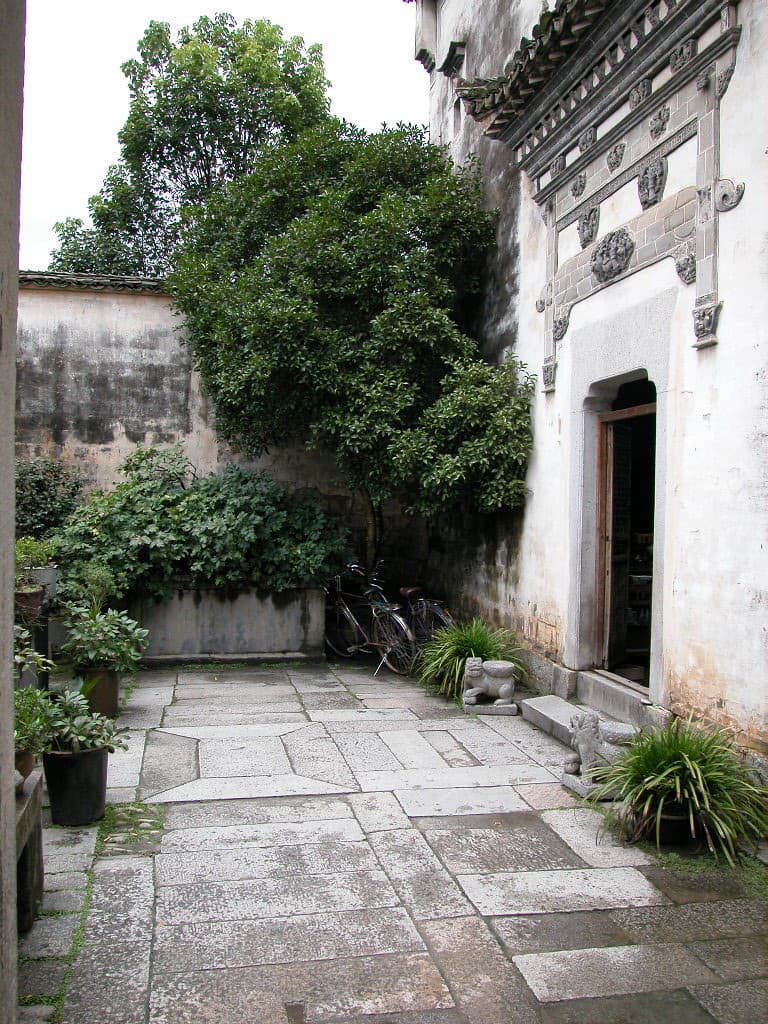
Photo : Giovanni Boccardi (CC BY-SA 3.0 igo)
Located in the Anhui province of southeastern China, this cultural heritage site comprises two ancient villages, Xidi and Hongcun, which represent outstanding examples of Han Chinese settlement patterns from the Ming and Qing dynasties. These villages are characterized by their well-preserved traditional architecture, featuring whitewashed walls, black tile roofs, and intricate wooden decorative elements that reflect the aesthetic principles of classical Chinese design. The layout of both villages follows traditional feng shui principles, with buildings organized around central water systems and narrow winding streets that create a coherent urban fabric. The architectural ensemble demonstrates the prosperity and cultural sophistication achieved through the region's historical commercial activities, particularly the salt trade and merchant enterprises. The villages contain numerous ancestral halls, temples, and residential compounds that showcase the craftsmanship and social organization of their historical periods. The preservation of these villages provides significant evidence of Han Chinese vernacular architecture and settlement planning during an important period of Chinese history.