Cultural
Qhapaq Ñan, réseau de routes andin
Chili
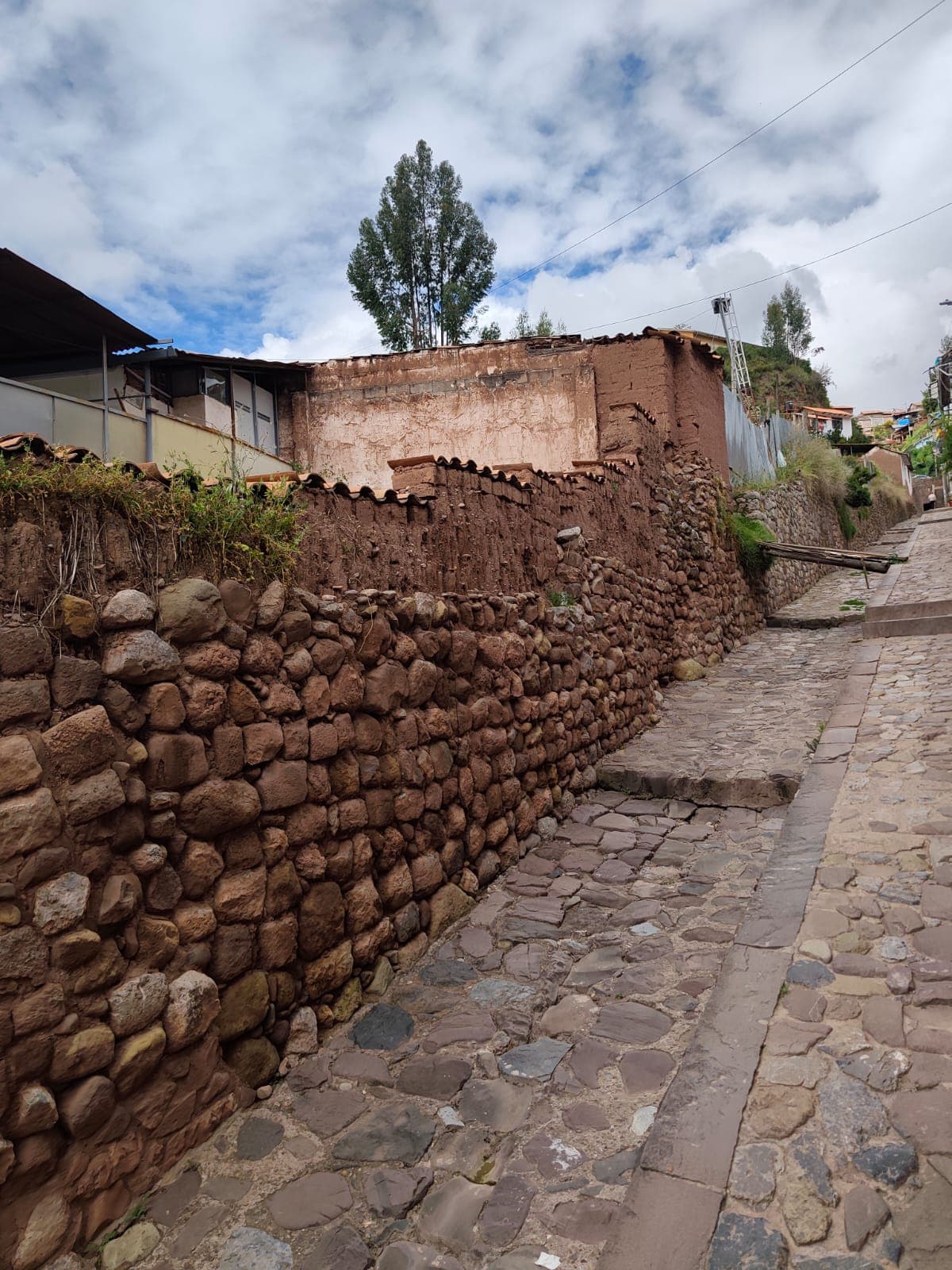
Photo : JEAMpisho (CC BY 4.0)
The Qhapaq Ñan represents an extensive network of interconnected roads that once traversed the Andean region, serving as a vital infrastructure system for the Inca Empire and earlier Andean civilizations. This road system facilitated communication, trade, and administrative control across diverse and challenging terrain spanning multiple modern nations, including Chile. The network demonstrates remarkable engineering adapted to varied geographical conditions, from high mountain passes to coastal plains and tropical forests. Its cultural significance lies in its role as a physical manifestation of pre-Columbian organizational capacity and technological achievement, connecting distant communities and reflecting sophisticated urban planning principles. In Chile, segments of the Qhapaq Ñan traverse the Andes and desert regions, preserving evidence of historical routes and associated archaeological features such as way stations and ceremonial sites. The roads remain visible in the landscape as stone-paved paths and embankments, constituting an important testimony to the region's indigenous heritage.