Cultural
Le Paysage de Grand-Pré
Canada
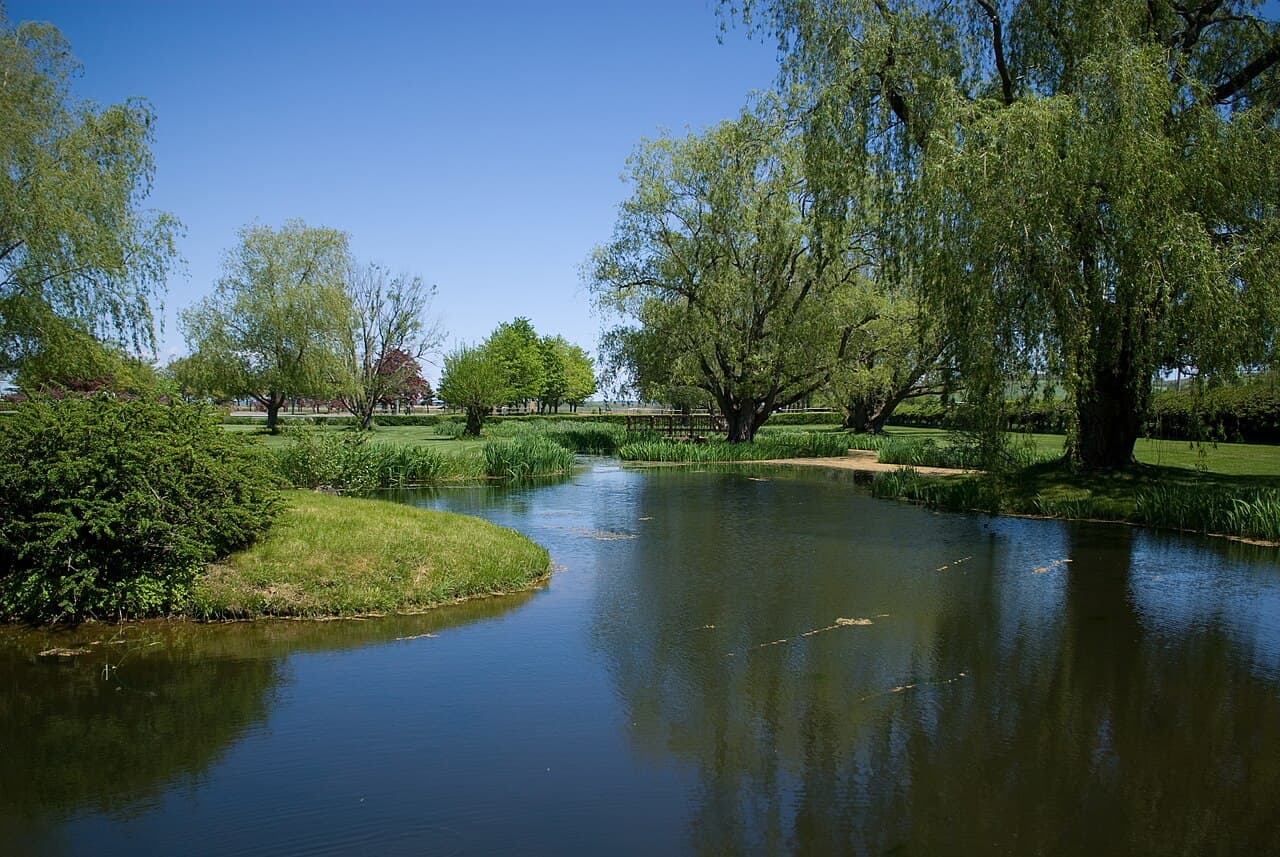
Photo : CP Hoffman from Washington, DC, United States (CC BY-SA 2.0)
This cultural landscape site in Nova Scotia, Canada encompasses the marshlands and dyked lands of the Grand-Pré area, which represents a distinctive agricultural and settlement pattern developed by the Acadian people beginning in the 17th century. The landscape is characterized by an extensive system of dykes and aboiteaux, traditional water management structures that enabled the cultivation of salt marshes and the establishment of prosperous communities in this coastal region. The site documents the Acadian approach to land reclamation and agricultural development, reflecting their adaptation to the maritime environment and engineering knowledge. The visual character of the landscape is defined by its polder-like fields, created through systematic dyking and drainage, alongside the remnants of historical settlements and the natural marshland environment. Grand-Pré holds significant historical importance as the location of the expulsion of the Acadian population during the mid-18th century, an event that profoundly shaped the cultural history of the region and the wider diaspora of the Acadian people.