Cultural
Centre historique de São Luís
Brésil
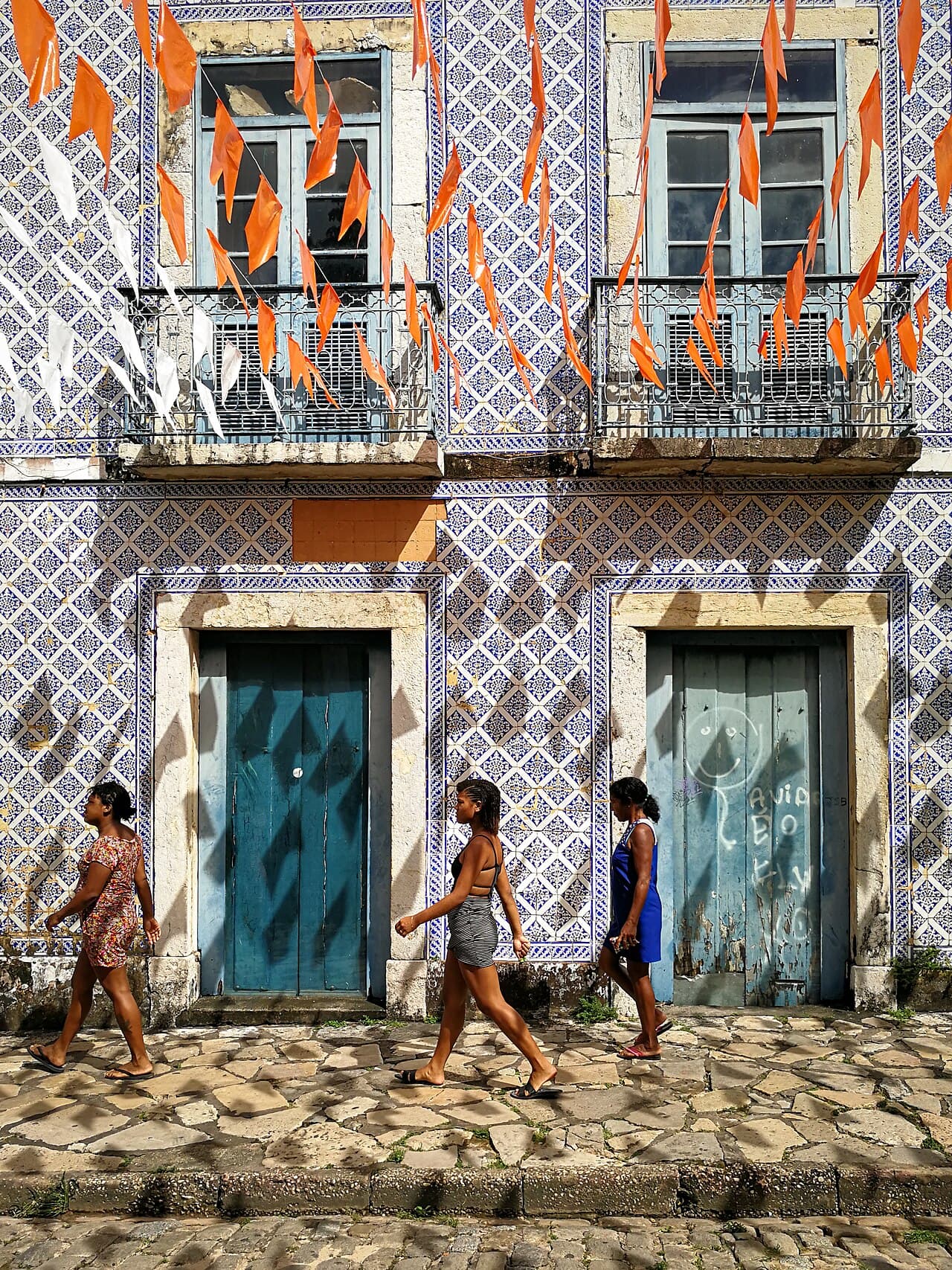
Photo : Demetrio Jereissati (CC BY-SA 4.0)
Located in the northeastern Brazilian state of Maranhão, the historic centre of São Luís represents a significant example of Portuguese colonial urban planning in South America. Founded in the early 17th century, the city developed as an important port and commercial hub, resulting in a well-preserved urban fabric that reflects centuries of architectural evolution. The site is characterized by its grid-pattern street layout and distinctive buildings featuring Portuguese azulejo tiles, colonial mansions, and structures from the 18th and 19th centuries. The architectural heritage demonstrates the influence of Portuguese construction techniques combined with local adaptations and materials. The concentration of historical structures, many featuring the iconic blue, white, and yellow ceramic tilework, provides tangible evidence of the city's prosperity during the colonial period and its role in Brazil's cultural development. The preservation of this urban ensemble makes the historic centre of São Luís an important testimony to Portuguese colonial heritage in the Americas.