Cultural
Éphèse
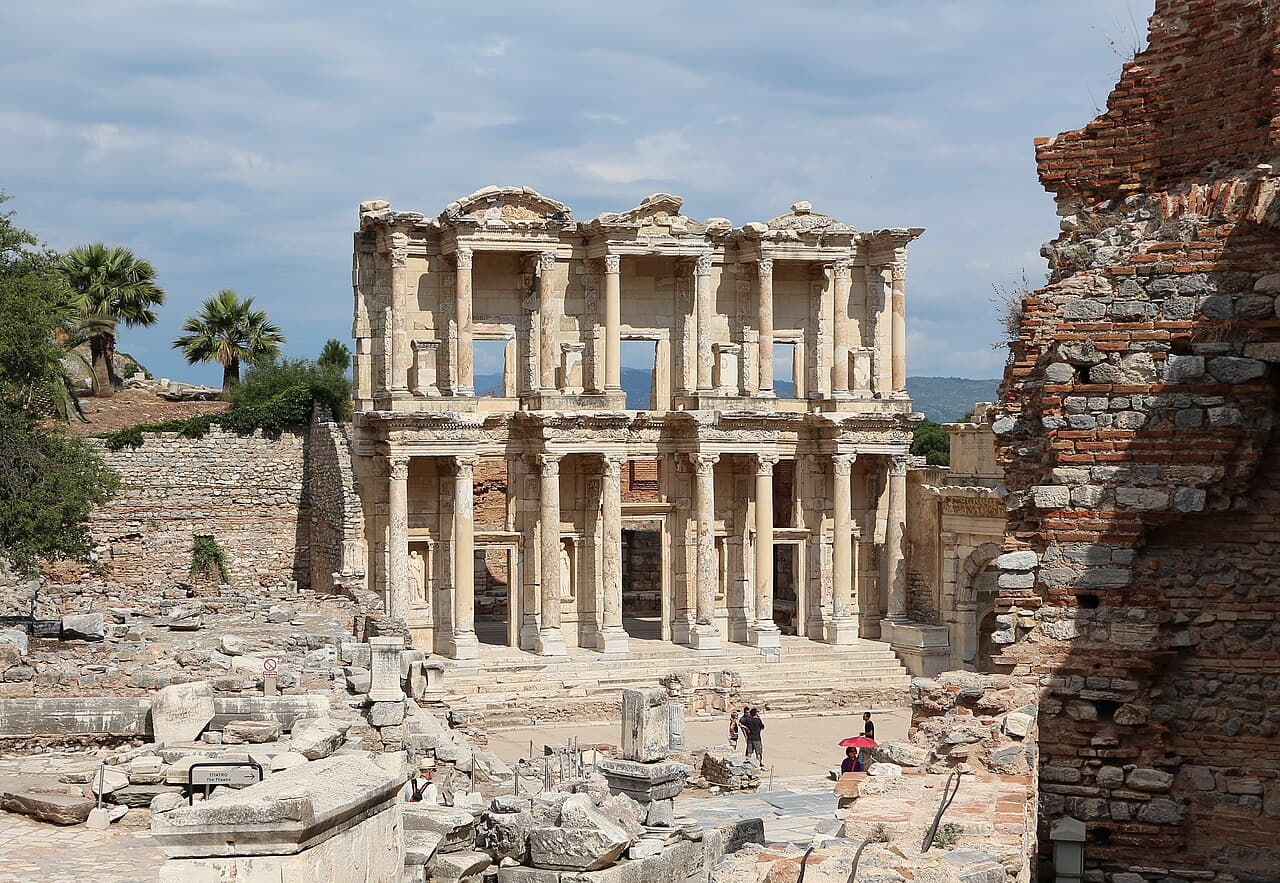
Photo : Bernard Gagnon (CC BY-SA 3.0)
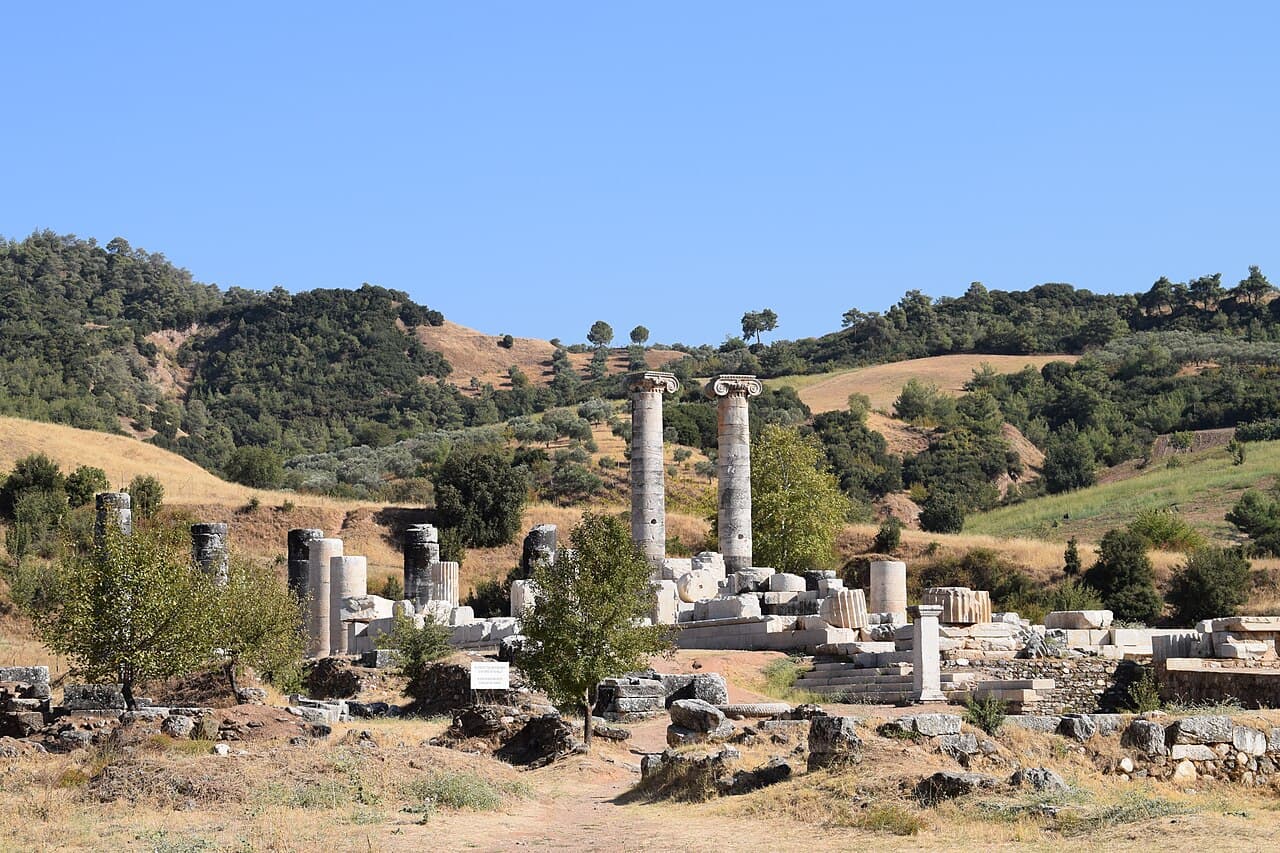
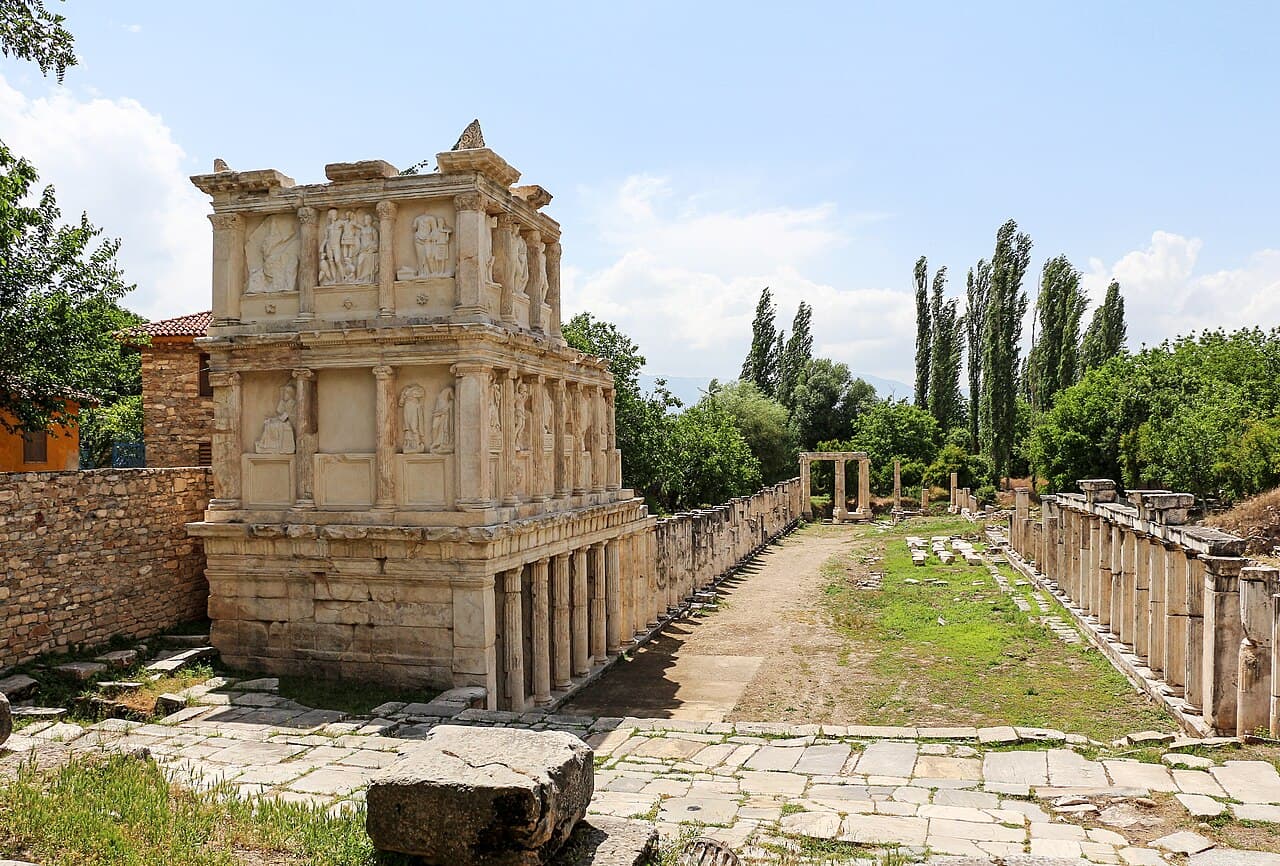
Located on the Aegean coast of Turkey, this archaeological site represents one of the most significant urban centers of the ancient Greco-Roman world. The remains reveal the layout and architecture of a major Mediterranean port city that flourished over several centuries, with structures ranging from the Classical period through the Byzantine era. The site is characterized by well-preserved monuments including a large theatre, a library, temples, and residential quarters that demonstrate advanced urban planning and construction techniques. The architectural and artistic achievements evident in the ruins document important developments in civic design and engineering during antiquity. The successive occupation and modification of the city reflects the complex history of the eastern Mediterranean, showing the influence of different civilizations across several millennia. The excavated remains provide substantial evidence of daily life, religious practices, and commercial activities in an ancient metropolis.