Cultural
Kairouan
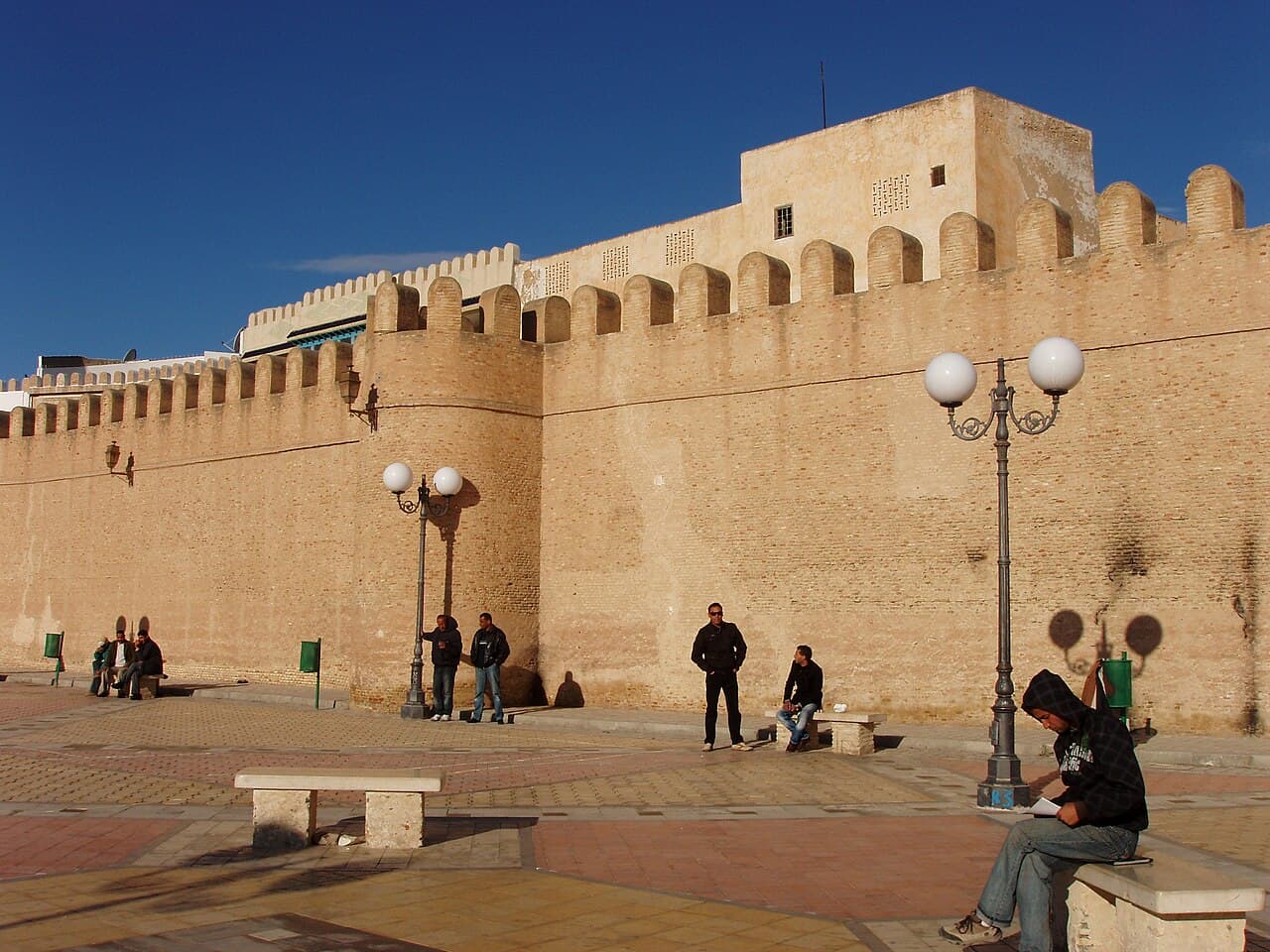
Photo : damian entwistle (CC BY-SA 2.0)
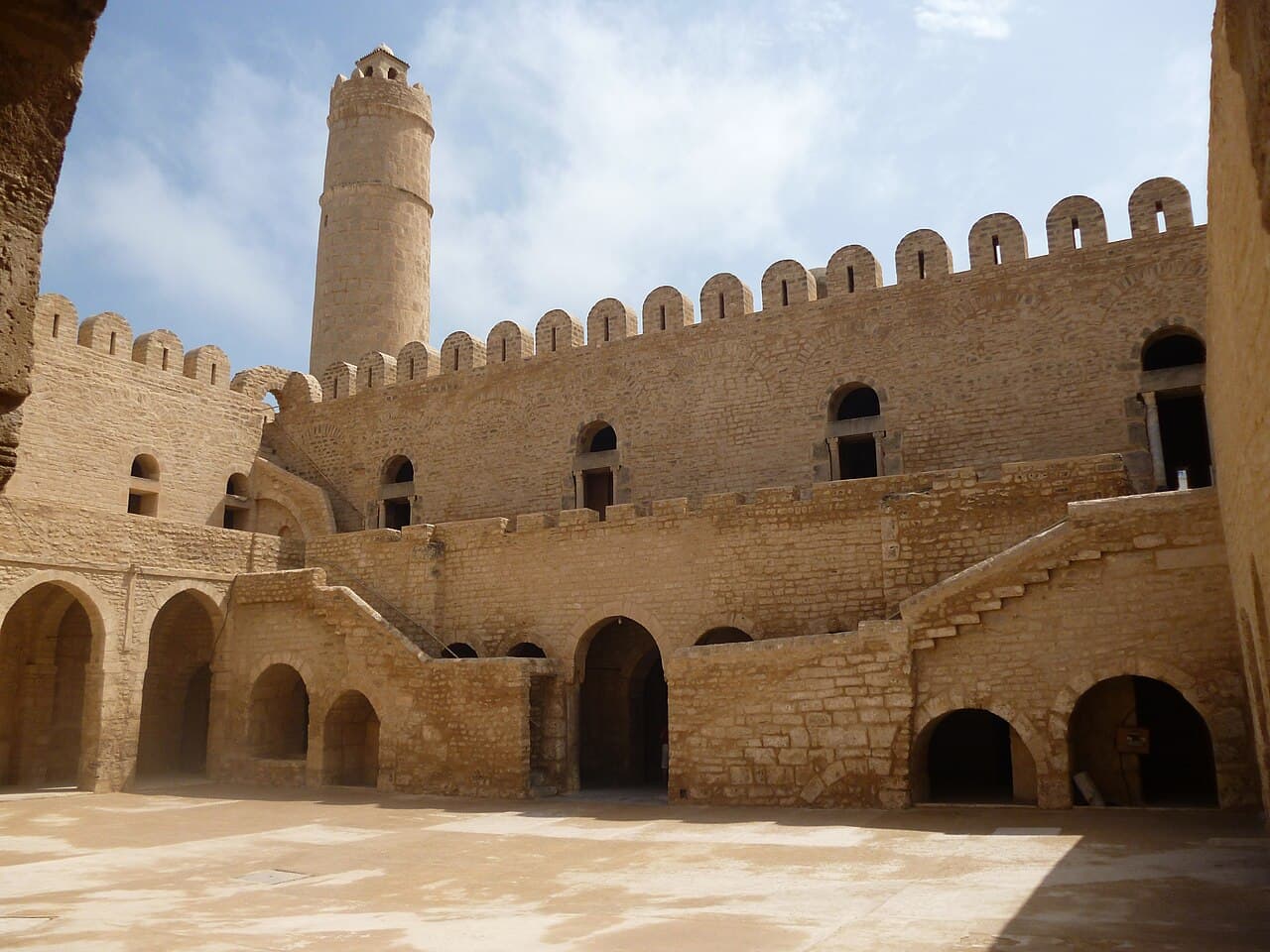
Located in central Tunisia, this ancient city represents one of the most significant Islamic heritage sites in North Africa. Founded in the 7th century, Kairouan developed as a major centre of Islamic culture, learning, and spirituality, serving as a crucial hub along trans-Saharan trade routes. The city's medina, enclosed within defensive walls, contains numerous architectural and religious monuments that exemplify early Islamic design, particularly the Great Mosque, one of the oldest and most important mosques in the Islamic world. The urban layout reflects medieval Islamic town planning, with narrow winding streets, traditional houses, and bazaars arranged in a characteristic pattern. The site's cultural significance extends beyond its physical structures to its role in spreading Islam and Islamic civilisation throughout the western Mediterranean region. Kairouan's distinct character derives from the synthesis of local traditions with Islamic influences, evident in its preserved monuments, craftsmanship, and urban organisation.