Cultural
Sites d’art rupestre préhistorique de la vallée de Côa et de Siega Verde
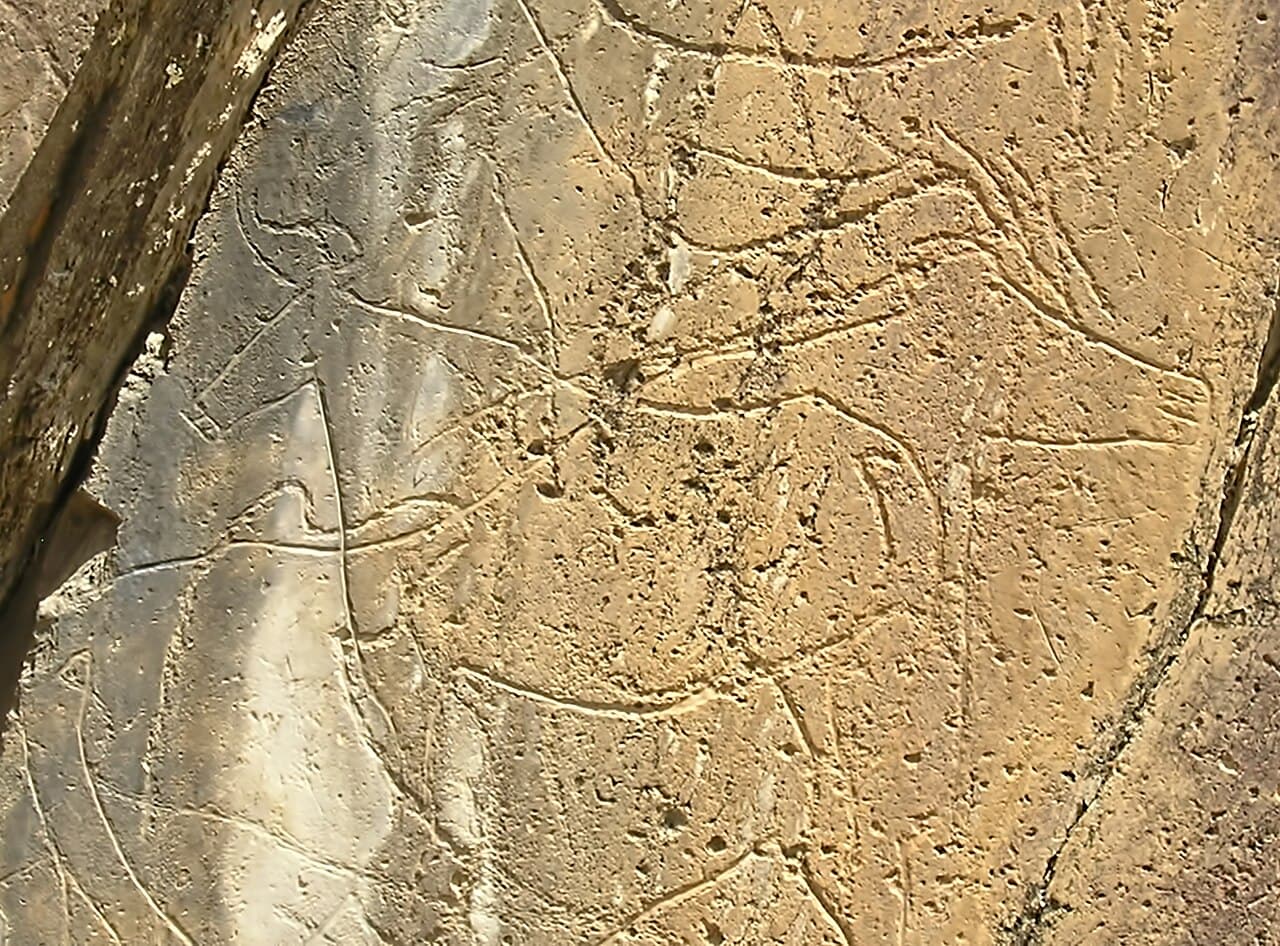
Photo : Reino Baptista (CC BY-SA 4.0)
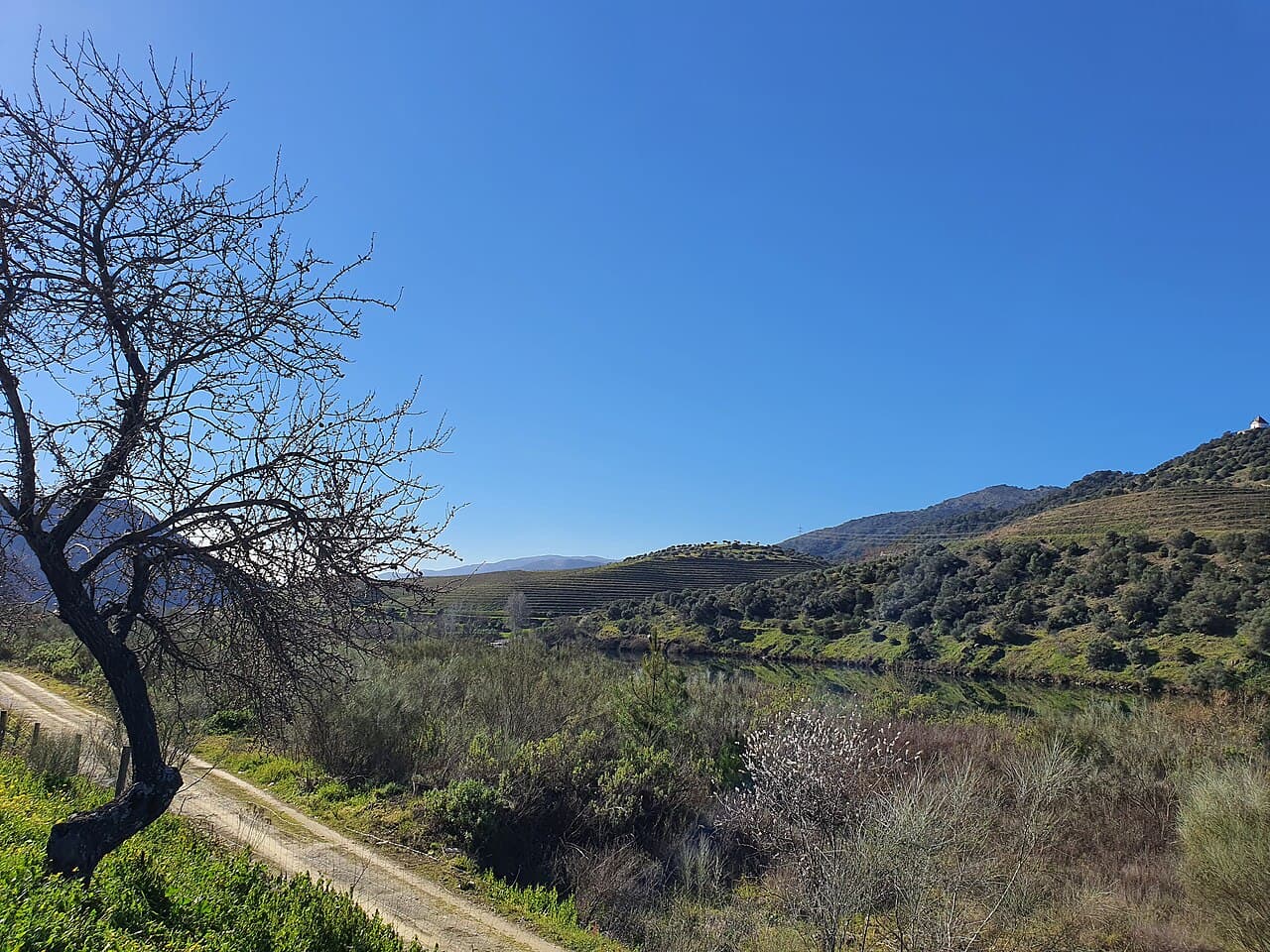
Located in the Iberian Peninsula along the Côa River valley in Portugal and extending into the Siega Verde region, this site comprises one of the most important concentrations of prehistoric rock art in Europe. The open-air engravings, executed primarily during the Upper Paleolithic period, are carved into schist outcrops along the river valleys and represent significant evidence of early human artistic expression. The engravings depict a variety of subjects including animals, human figures, and abstract motifs, executed using different techniques that reflect the artistic practices of prehistoric hunter-gatherer societies. The site's geographical setting in the dramatic landscape of the Côa valley, with its exposed rock faces along the river, provided both the canvas and the natural context for these artistic endeavors. The preservation of these engravings in their original locations offers exceptional insight into the cultural and spiritual life of Upper Paleolithic communities and demonstrates the continuity of artistic traditions across this region. The archaeological significance of the site, combined with the richness and quantity of the rock art, justified its recognition as a cultural heritage property of outstanding universal value.