Cultural
Vieille ville de Salamanque
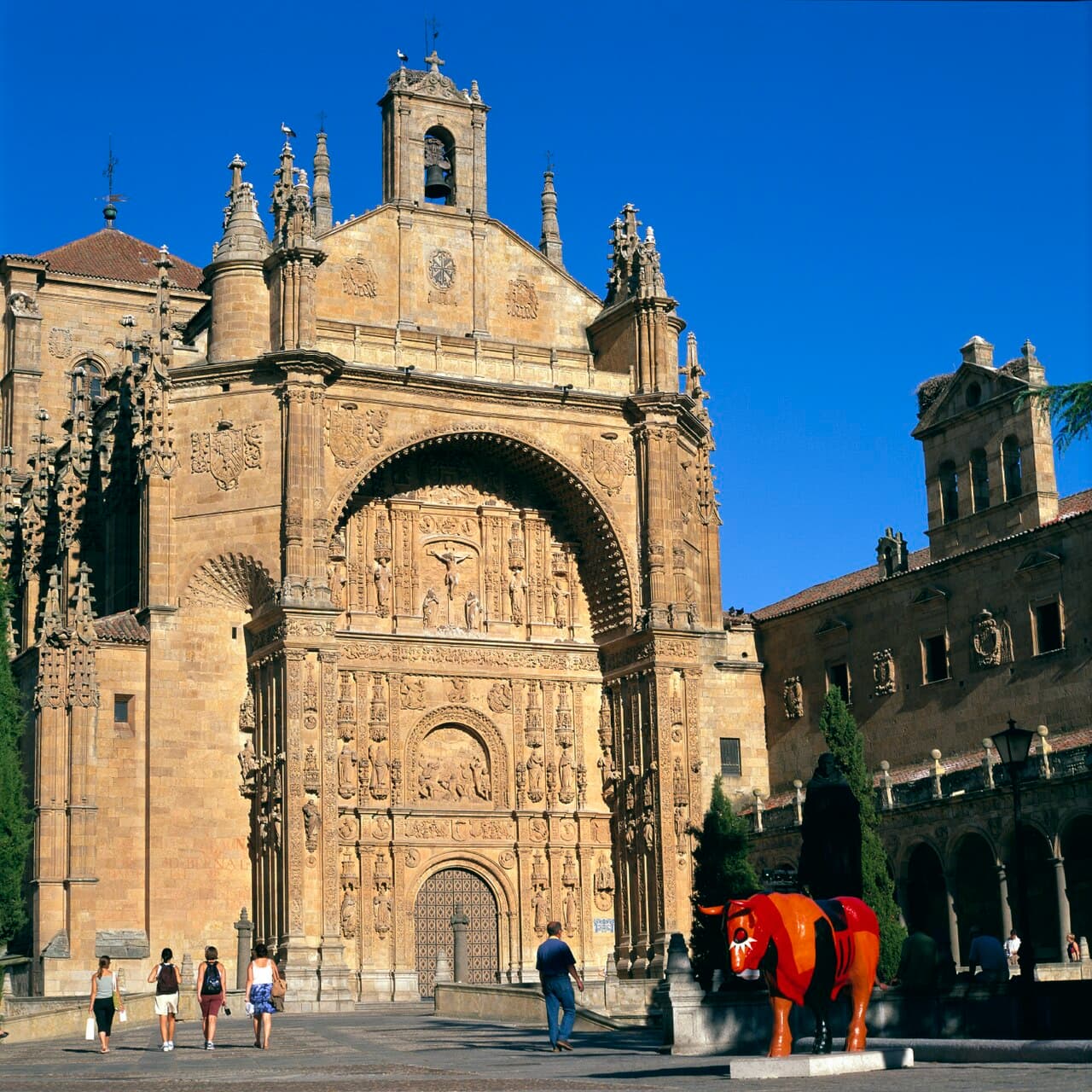
Photo : Yvon Fruneau (CC BY-SA 3.0 igo)
Located in the autonomous community of Castile and León in western Spain, this medieval walled city represents a significant example of urban development spanning from the 12th to 18th centuries. The old town is characterised by its distinctive golden sandstone architecture, narrow winding streets, and a rich ensemble of Romanesque, Gothic, and Renaissance buildings that reflect successive periods of construction and modification. The site's cultural significance lies in its well-preserved urban fabric and architectural heritage, which document the evolution of a major intellectual centre, particularly its role as the seat of one of Spain's oldest universities, founded in the 12th century. The Plaza Mayor, constructed in the 18th century, stands as a prominent architectural feature and serves as the civic heart of the old town. The ensemble demonstrates the layered historical development of a medieval Spanish city and its continued importance as an urban settlement. The preservation of these structures and street patterns contributes to understanding medieval and early modern urban planning in the Iberian Peninsula.