Cultural
Site archéologique de Cyrène
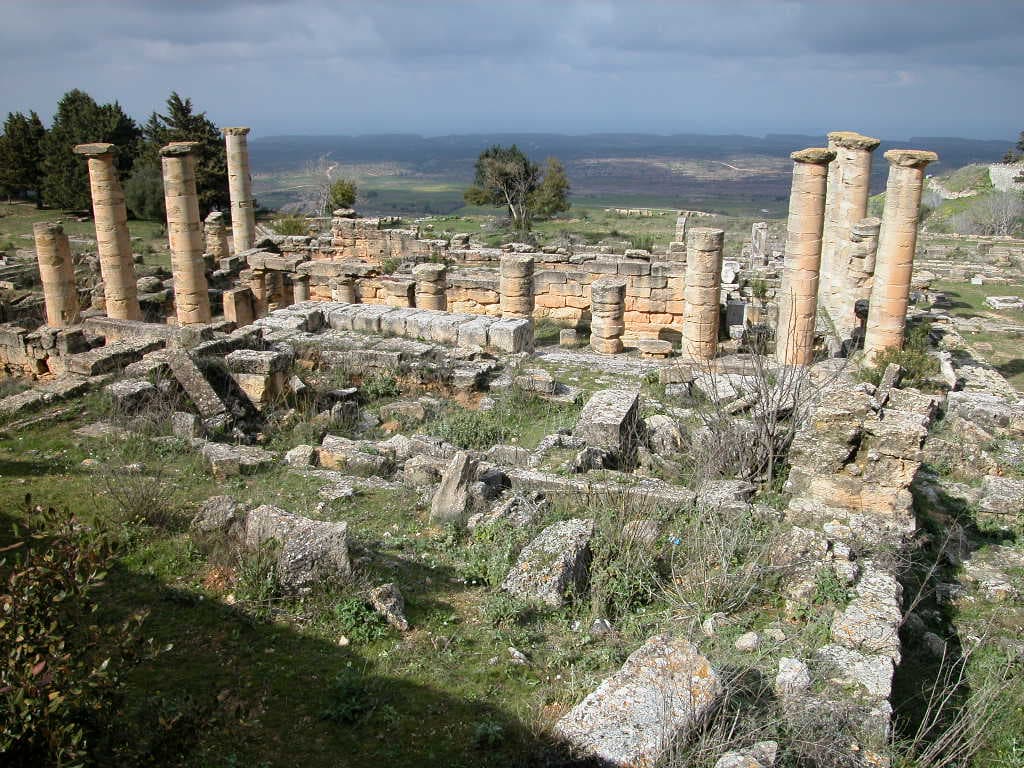
Photo : Giovanni Boccardi (CC BY-SA 3.0 igo)
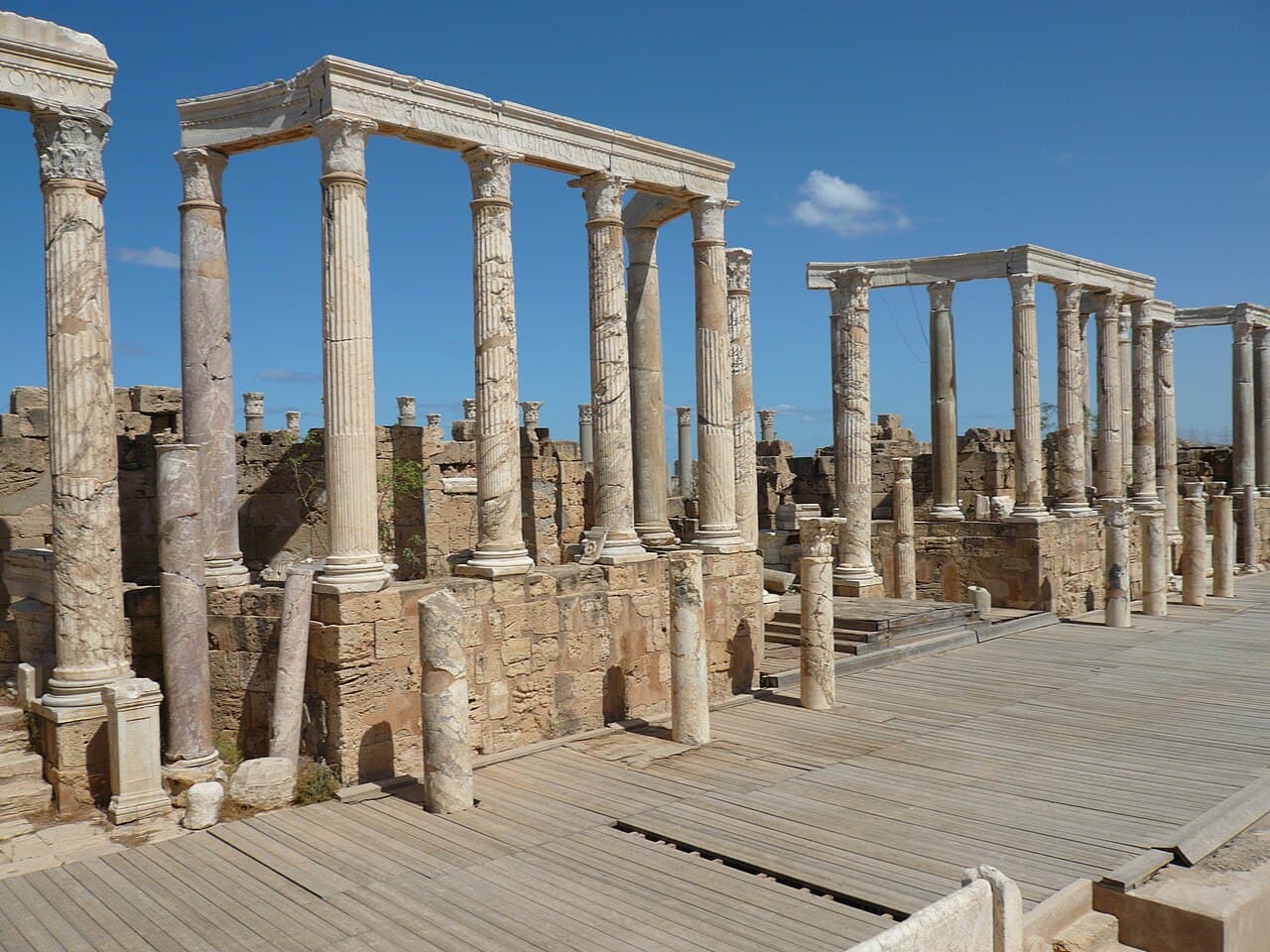
Located on the Libyan coast in North Africa, this archaeological site represents one of the most significant Greek colonial settlements in the Mediterranean region. Founded by Greek colonists in the 7th century BCE, the site developed into a major city and served as the capital of the Cyrenaica region for several centuries. The remains include temples, public buildings, residential quarters, and a necropolis that reflect both Greek and later Roman urban planning and architectural traditions. The site's outstanding preservation provides valuable evidence of Greek colonial civilization and urban development in North Africa, demonstrating the cultural and economic importance of this ancient center. The landscape features dramatic limestone cliffs overlooking the Mediterranean, which contributed to the site's strategic and commercial significance in antiquity. The archaeological evidence preserved at this location offers substantial documentation of trade networks, architectural practices, and cultural interactions across the classical Mediterranean world.