Cultural
Byblos
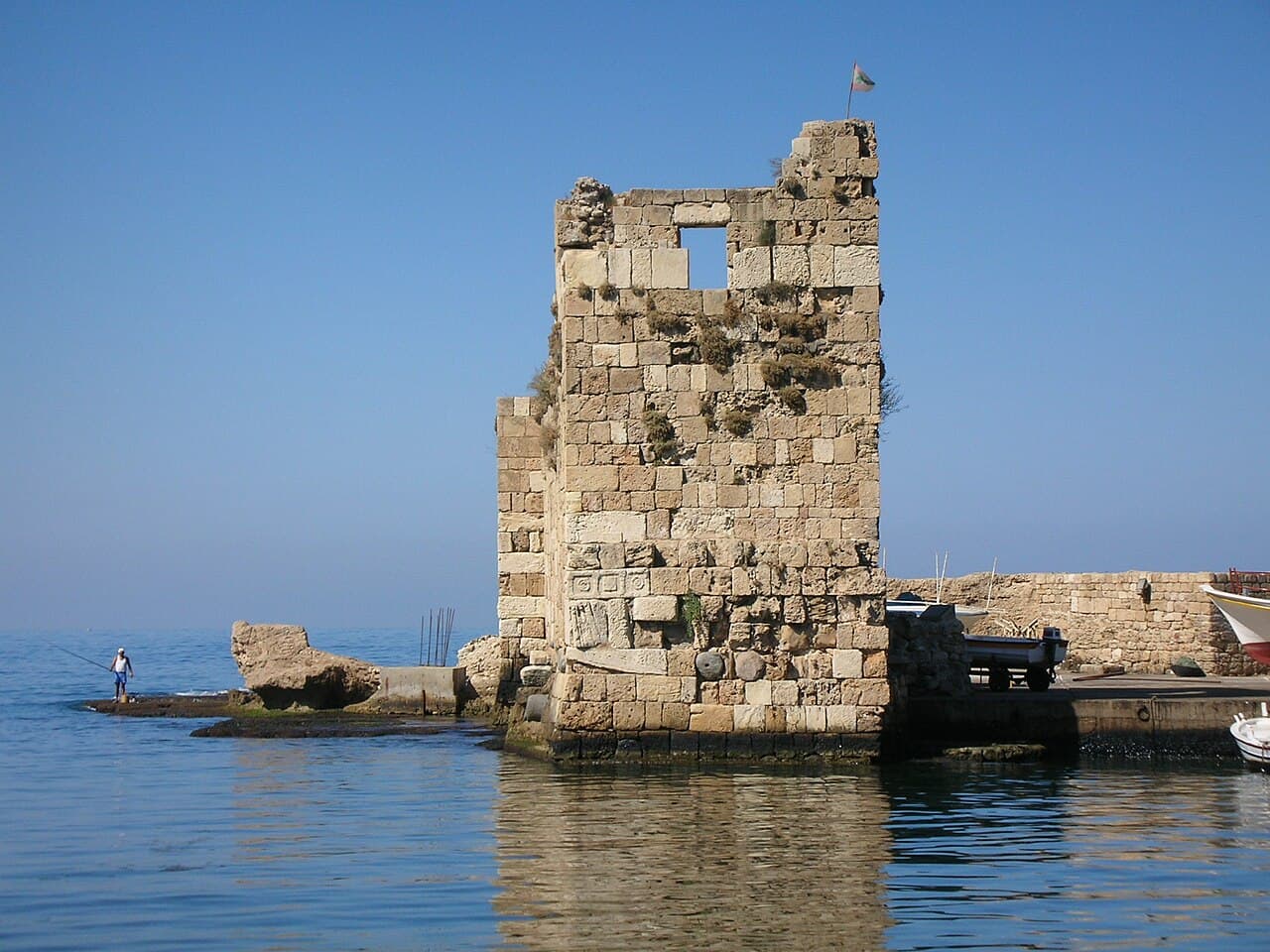
Photo : Véronique Dauge (CC BY-SA 3.0 igo)
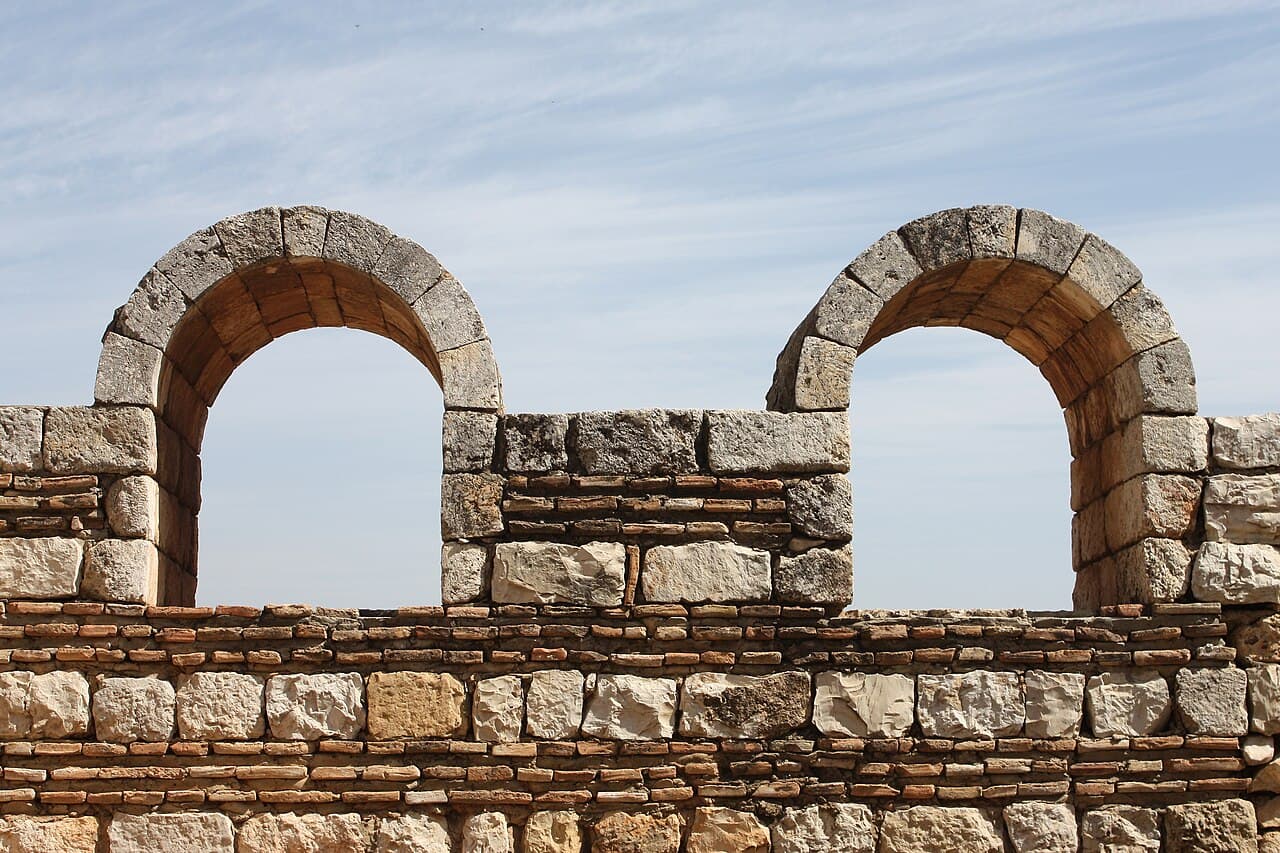
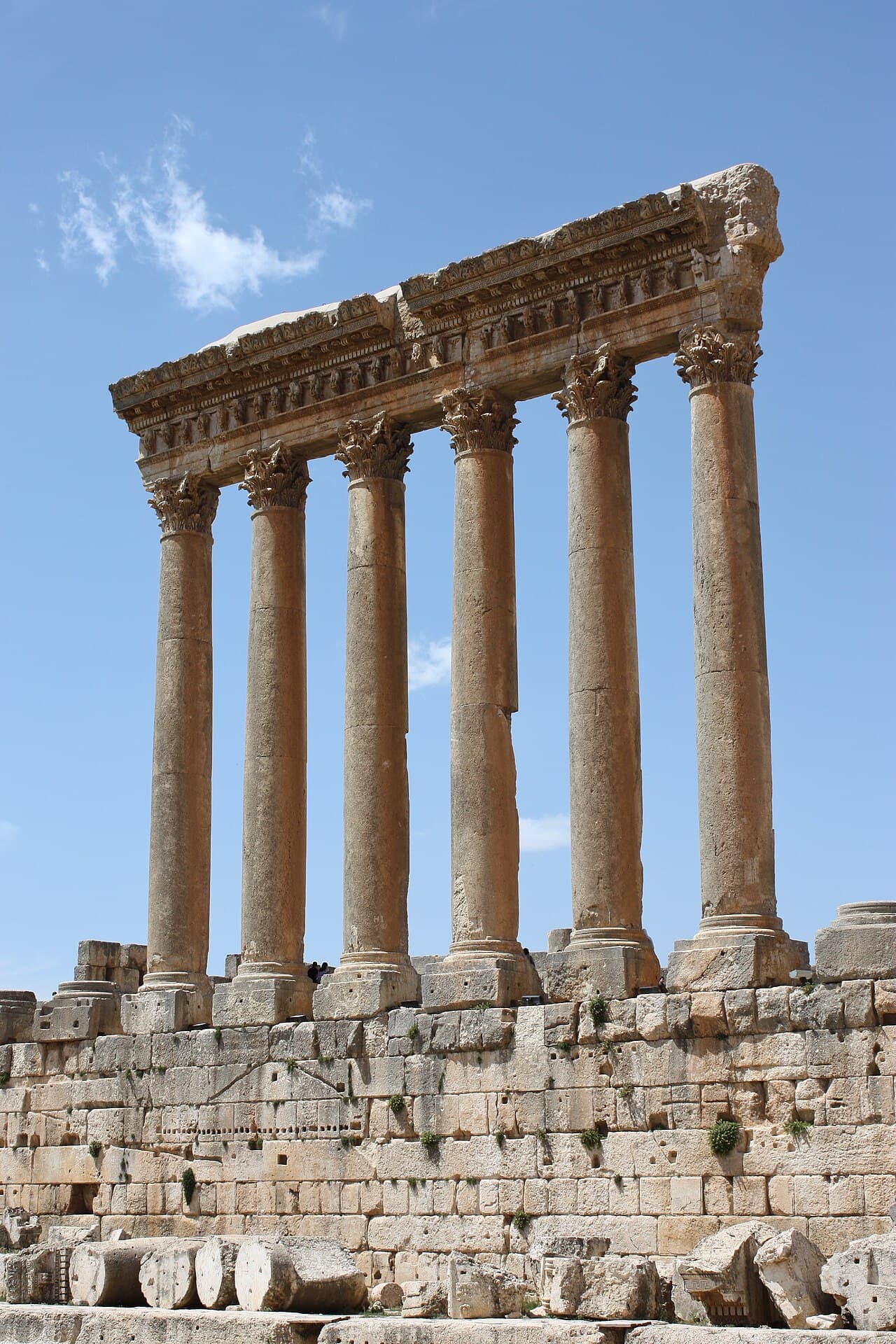
This archaeological site in Lebanon represents one of the world's oldest continuously inhabited cities, with occupation spanning from the Neolithic period through the Medieval era. The site contains extensive remains from multiple civilizations, including Phoenician, Egyptian, Crusader, and Ottoman periods, reflecting its strategic importance as a maritime center and trading hub. Byblos is particularly significant for its role in the development of early writing systems and its connections to the spread of alphabetic script throughout the Mediterranean. The visible structures include ancient temples, fortification walls, a Crusader castle, and residential quarters that illustrate various phases of urban development. Located on the Lebanese coast north of Beirut, the site's stratigraphic layers provide invaluable evidence for understanding cultural interactions and technological advancement in the ancient Eastern Mediterranean. The combination of exceptional preservation and cultural continuity makes Byblos a critical reference point for studying the history of the Levantine region.