Cultural
Anjar
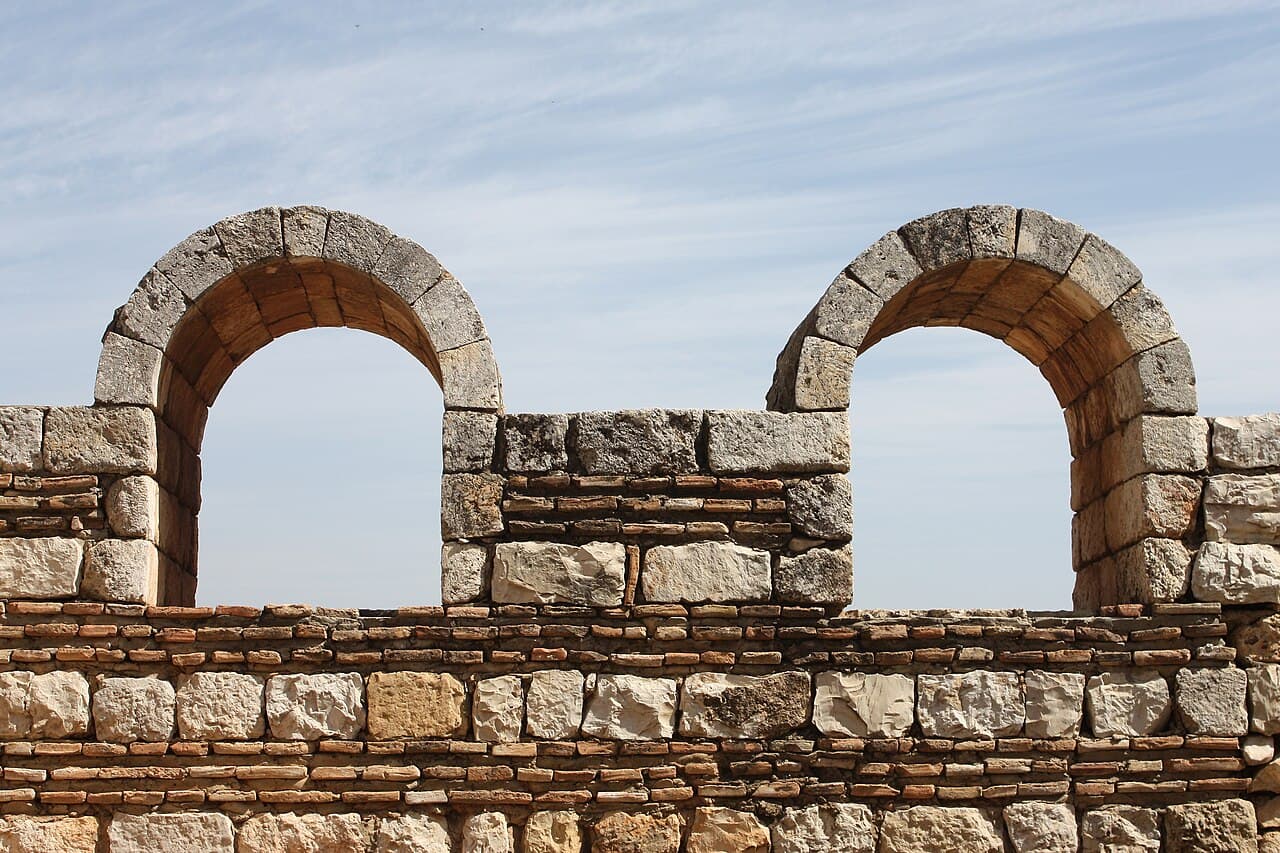
Photo : Eusebius (CC BY 3.0)
This archaeological site in the Bekaa Valley of Lebanon preserves the remains of an 8th-century Umayyad desert city. Built during the reign of Caliph al-Walid I, Anjar represents a significant example of early Islamic urban planning and architecture in the Levantine region. The site is characterized by its orthogonal street layout, defensive walls, and the remains of residential quarters, shops, and administrative buildings arranged in a systematic grid pattern. The preserved structures, including a palace complex and mosque, demonstrate the architectural and decorative techniques of the Umayyad period. The city's short period of occupation, lasting only about a century, provides archaeologists with a well-defined snapshot of early Islamic material culture and settlement patterns. Located in the eastern Bekaa Valley near the Syrian border, the site stands as an important testimony to the cultural and economic exchange that flourished along ancient trade routes.