Cultural
Tumuli de Gaya
Located in South Korea, this archaeological site comprises a group of tumuli, or ancient burial mounds, dating from the Gaya period. The Gaya confederacy was a significant Korean kingdom that flourished in the southern peninsula before its integration into the unified Silla kingdom. These earthen mounds represent important funerary monuments of the Gaya elite and provide valuable evidence of the region's political organization, social hierarchy, and material culture during this formative period of Korean history. The site's archaeological deposits contain artifacts and structural remains that illuminate aspects of Gaya society, including burial practices and the distribution of power among local leaders. The tumuli are visually distinctive features in the landscape, their rounded forms marking the locations of underground burial chambers and associated grave goods. The site's cultural significance lies in its contribution to understanding pre-unified Korean civilization and the development of early state formation in East Asia.
Nearby World Heritage Sites
All sites →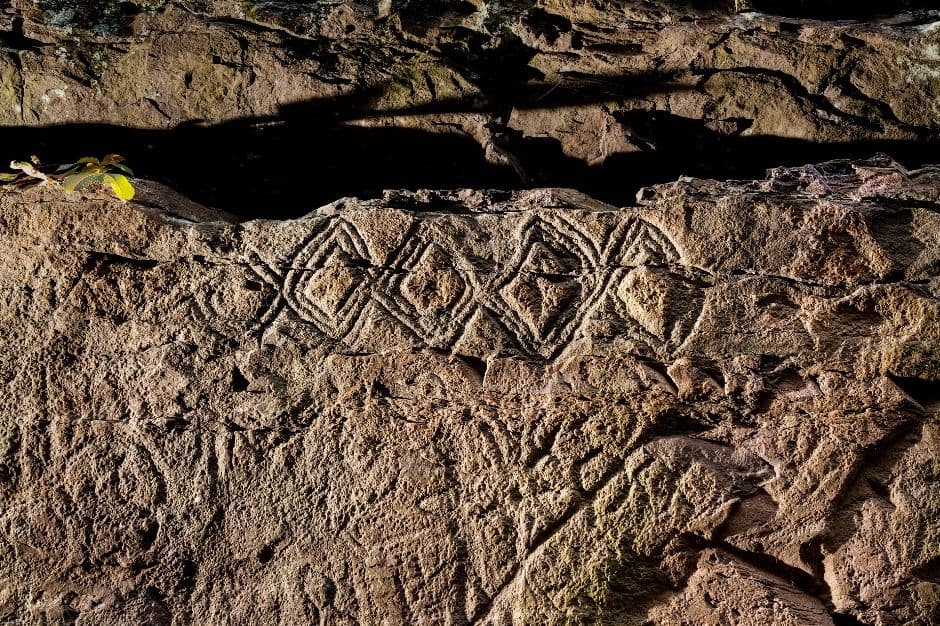
Pétroglyphes le long de la rivière BangucheonNatural49.4 km
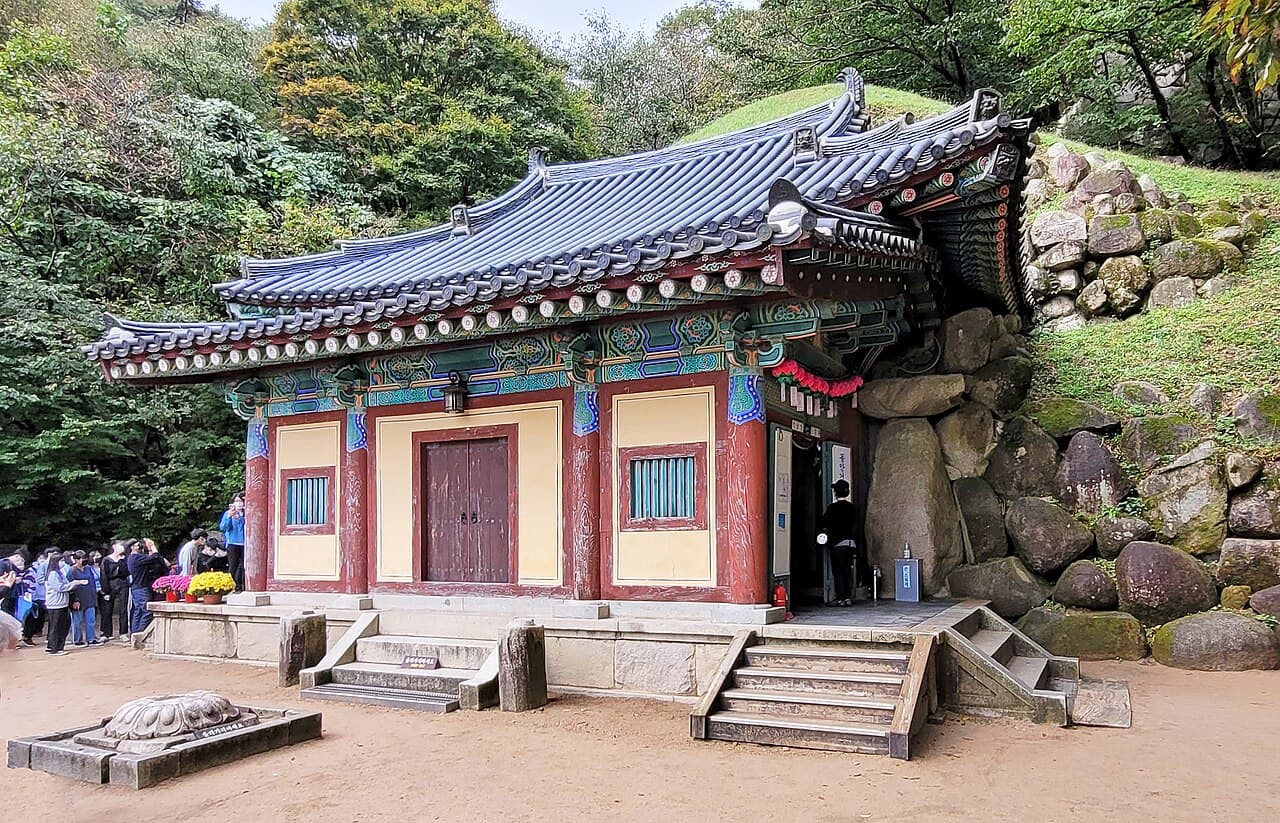
Grotte de Seokguram et temple BulguksaCultural72.1 km
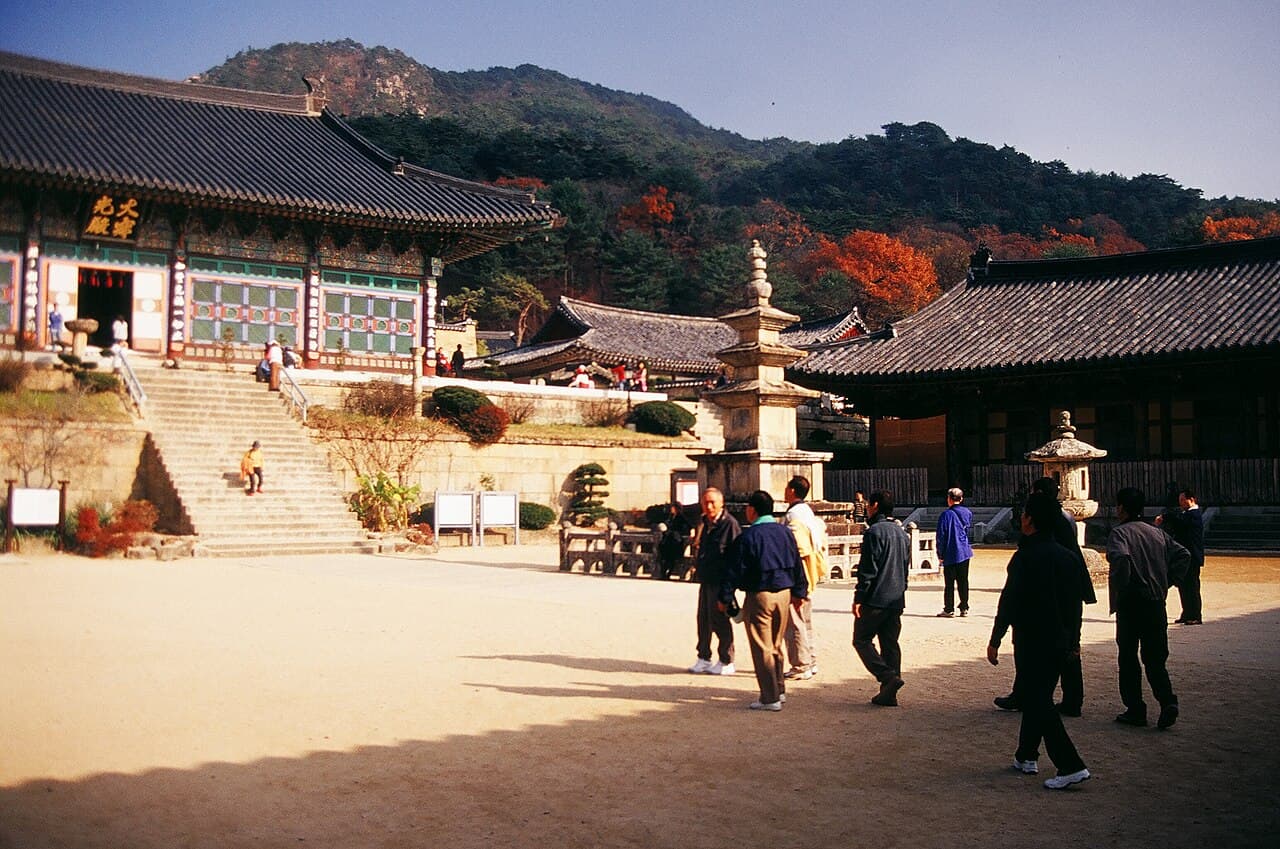
Temple d'Haeinsa Janggyeong Panjeon, les dépôts des tablettes du Tripitaka KoreanaCultural93.9 km
Sansa, monastères bouddhistes de montagne en CoréeNatural142.8 km
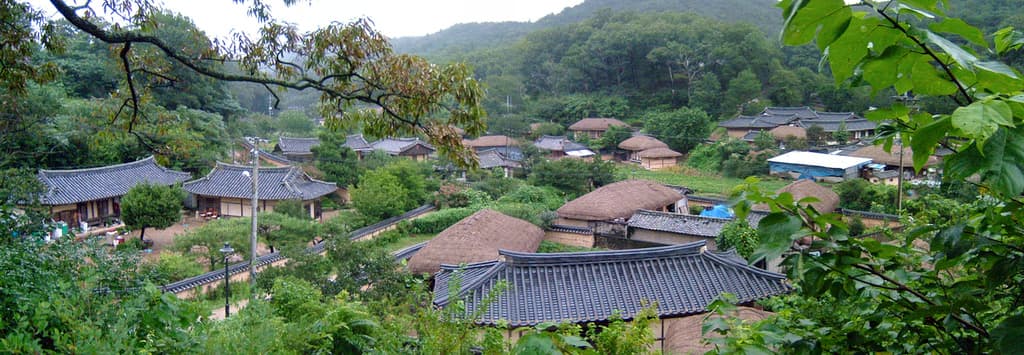
Villages historiques de Corée : Hahoe et YangdongCultural148.3 km