Cultural
Tombes royales de la dynastie Joseon
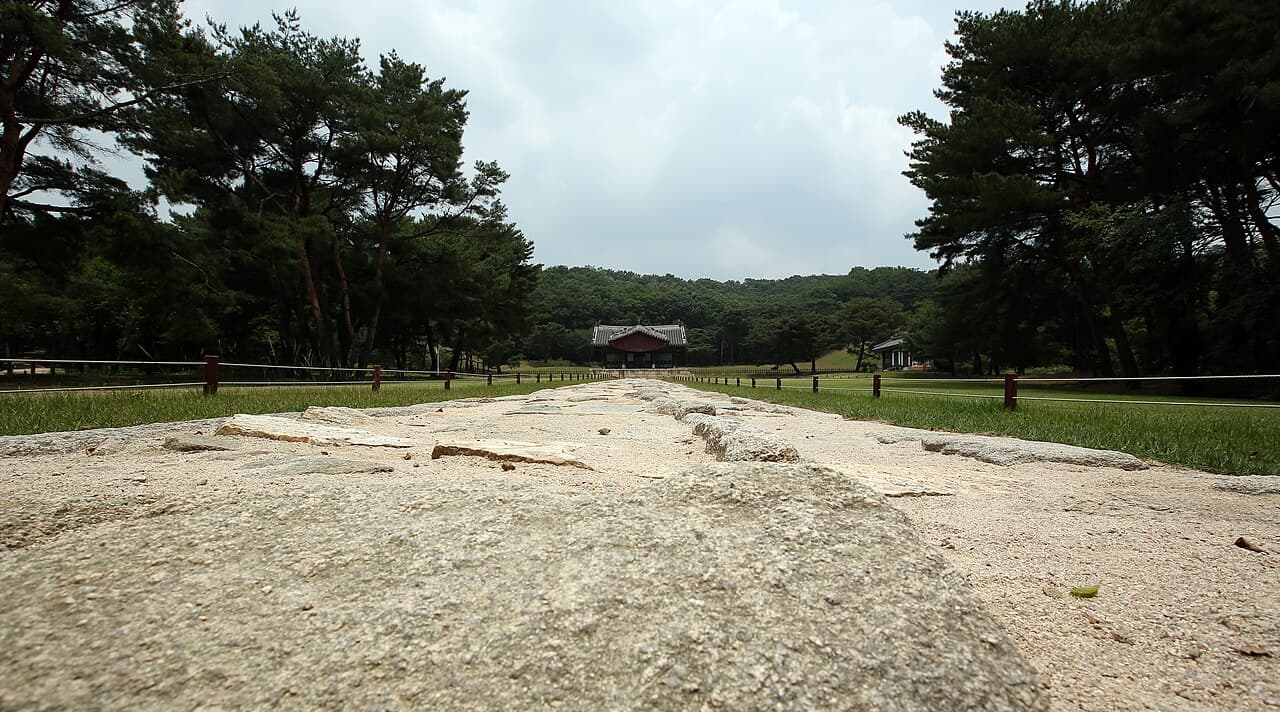
Photo : Jeon Han (CC BY-SA 2.0)
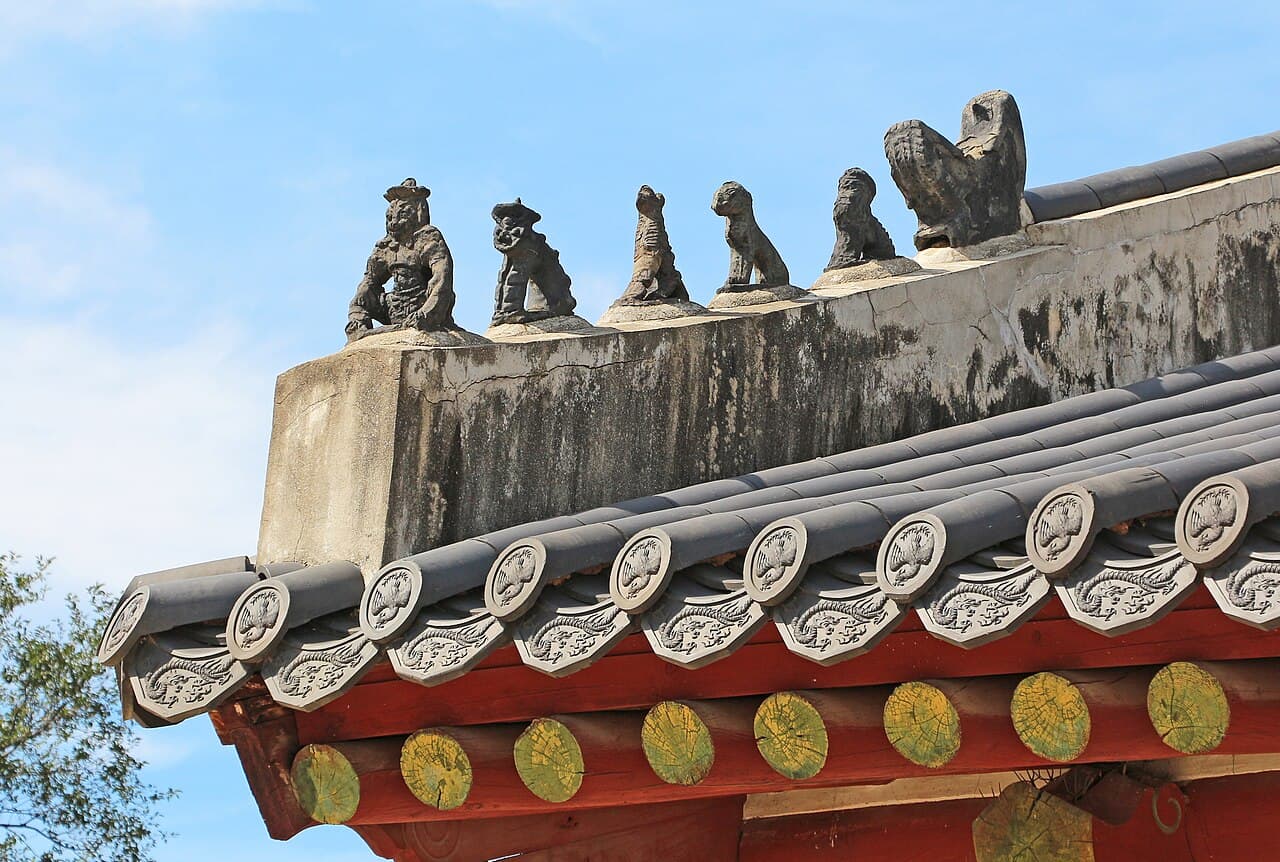
The Royal Tombs of the Joseon Dynasty represent a significant ensemble of burial sites located throughout South Korea, constructed over approximately five centuries of dynastic rule. These tombs exemplify the architectural and landscape design principles of Korean royal burial practices, combining geometric earthworks, stone monuments, and carefully planned spatial arrangements. The sites demonstrate the cultural values and ceremonial traditions of the Joseon period, with each tomb featuring characteristic elements such as stone statuary, burial mounds, and processional pathways. The tombs are dispersed across the Korean peninsula, with major concentrations near the historical capitals and administrative centers of the dynasty. Their designation reflects the outstanding universal value of these monuments as testimony to the religious, philosophical, and artistic achievements of one of East Asia's longest-lasting dynasties. The collective preservation of these royal necropoli provides crucial evidence for understanding the historical development and cultural sophistication of pre-modern Korean civilization.