Natural
Sanctuaire de Jongmyo
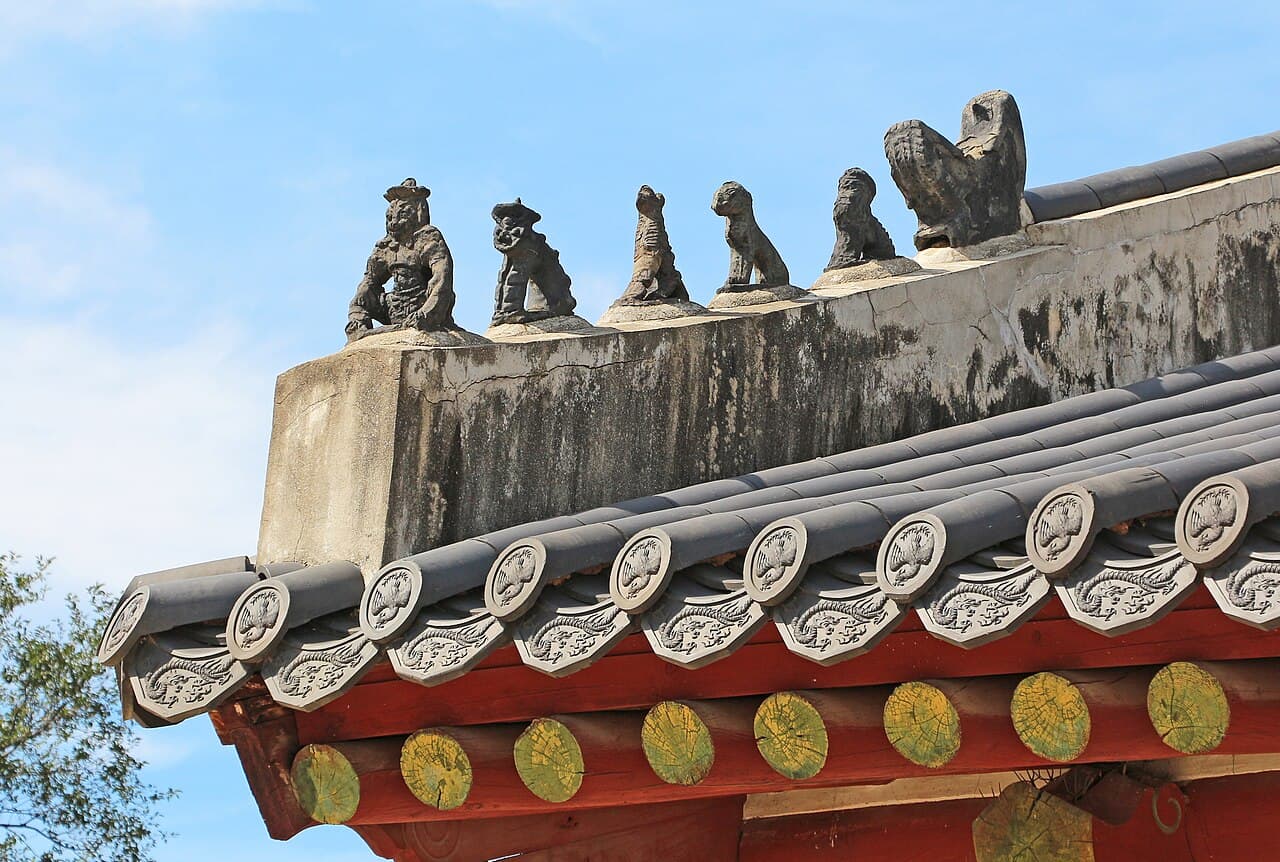
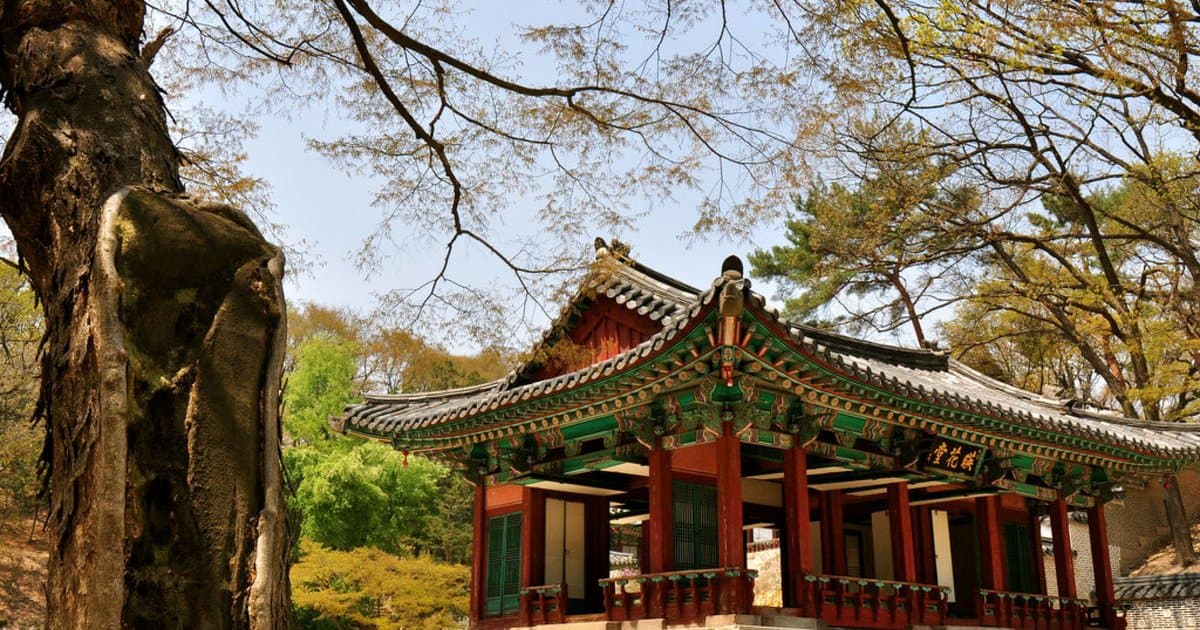
Located in Seoul, South Korea, this sanctuary represents a significant example of East Asian architectural and spiritual heritage. The site functions as a royal ancestral shrine, reflecting the Confucian traditions that shaped Korean culture and governance for centuries. Its design follows classical principles of sacred space organization, with structures arranged according to hierarchical and ceremonial requirements. The sanctuary preserves important historical records through its physical layout and surviving buildings, which demonstrate traditional Korean construction methods and aesthetic principles. The site continues to serve religious and commemorative functions, maintaining living traditions of ritual practice that connect contemporary communities to their historical past. This combination of architectural merit, cultural continuity, and historical significance establishes its importance within the broader context of East Asian heritage.