Cultural
Ensemble du palais de Changdeokgung
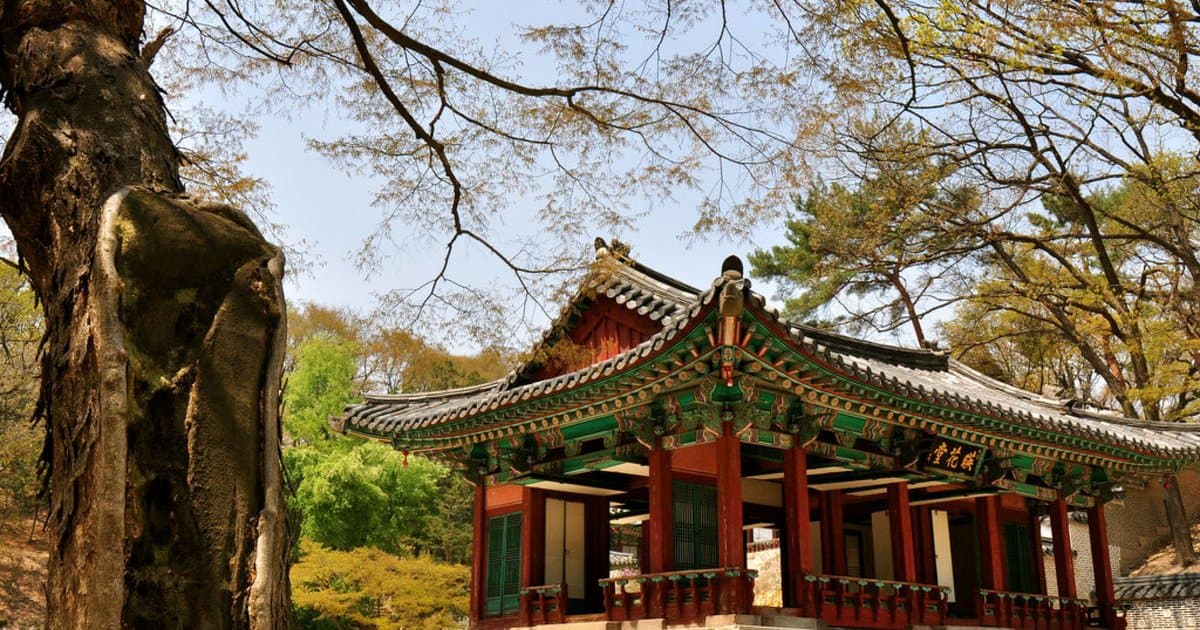
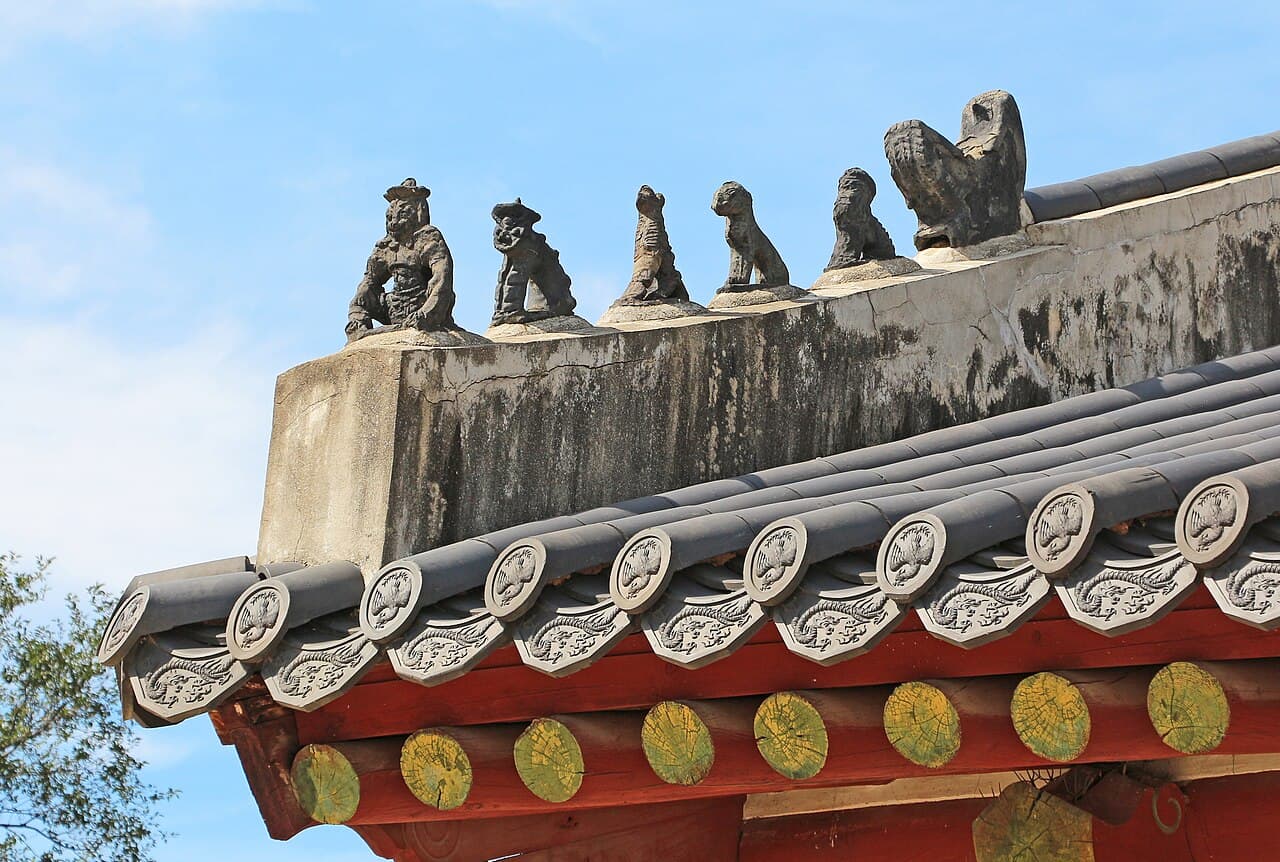
Located in Seoul, South Korea, this palatial ensemble represents a significant example of Korean royal architecture from the Joseon Dynasty period. The site consists of a complex of buildings, gardens, and structures that served as a secondary royal residence and later became a primary seat of governance. The architectural layout and design reflect traditional Korean building principles adapted to the topography of the site, with particular attention to the integration of natural landscape elements. The ensemble is distinguished by its preserved structures, including halls for state ceremonies, residential quarters, and ornamental gardens that demonstrate the aesthetic and functional aspects of Korean palace design. The site's inscription in the UNESCO World Heritage List acknowledges its outstanding universal value as a testimony to Korean royal culture and architectural heritage. The ensemble remains an important cultural landmark that provides insight into the political and domestic life of the Korean monarchy during a significant period of the nation's history.