Cultural
Sites de dolmens de Gochang, Hwasun et Ganghwa
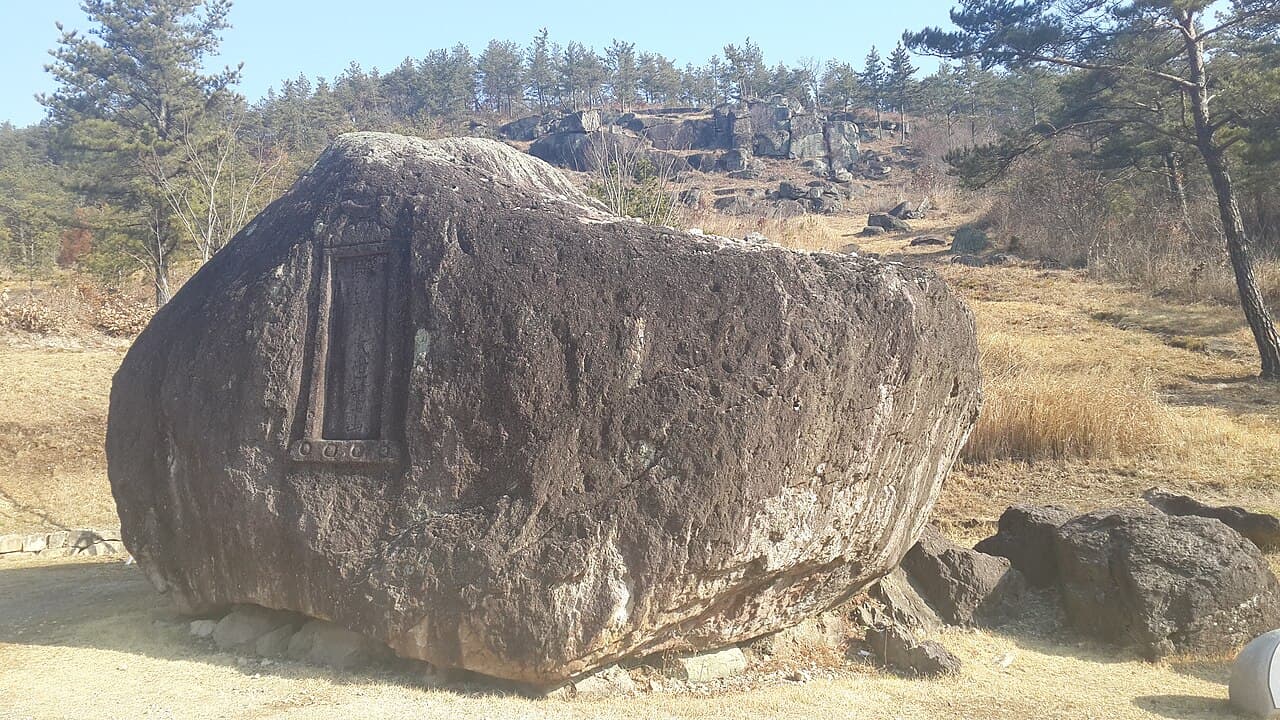
Photo : Mar del Este (CC BY-SA 4.0)
The three dolmen sites of Gochang, Hwasun, and Ganghwa are located in South Korea and represent outstanding examples of megalithic burial structures from the Bronze Age. These dolmens, known locally as "goindol," consist of large stone slabs arranged to form burial chambers, reflecting the funerary practices and social organization of prehistoric Korean societies. The sites collectively contain hundreds of dolmens distributed across their respective regions, with varying configurations and construction techniques. Geographically, they are situated in different provinces of South Korea, each occupying distinct landscapes that showcase the widespread adoption of dolmen-building practices throughout the peninsula. The dolmens are characterized by their monumental stone construction, with massive capstones supported by vertical or horizontal stone pillars, and they provide valuable evidence of Bronze Age cultural development in East Asia. These archaeological sites are recognized for their significance in understanding prehistoric settlement patterns, trade networks, and the evolution of megalithic traditions in the Korean peninsula.