Natural
Île sacrée d’Okinoshima et sites associés dans la région de Munakata
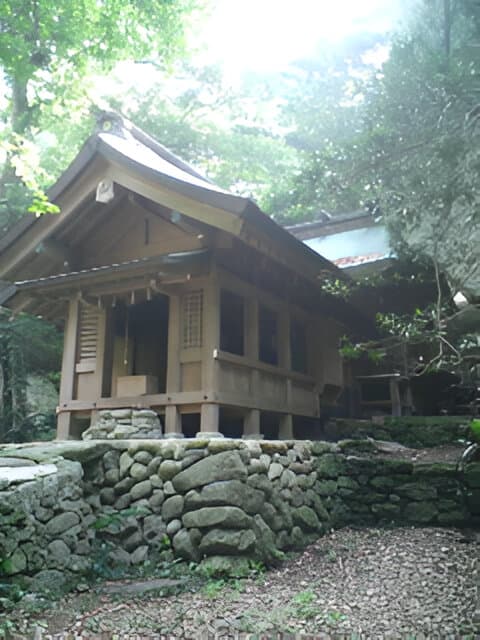
Photo : Indiana jo (CC BY-SA 4.0)
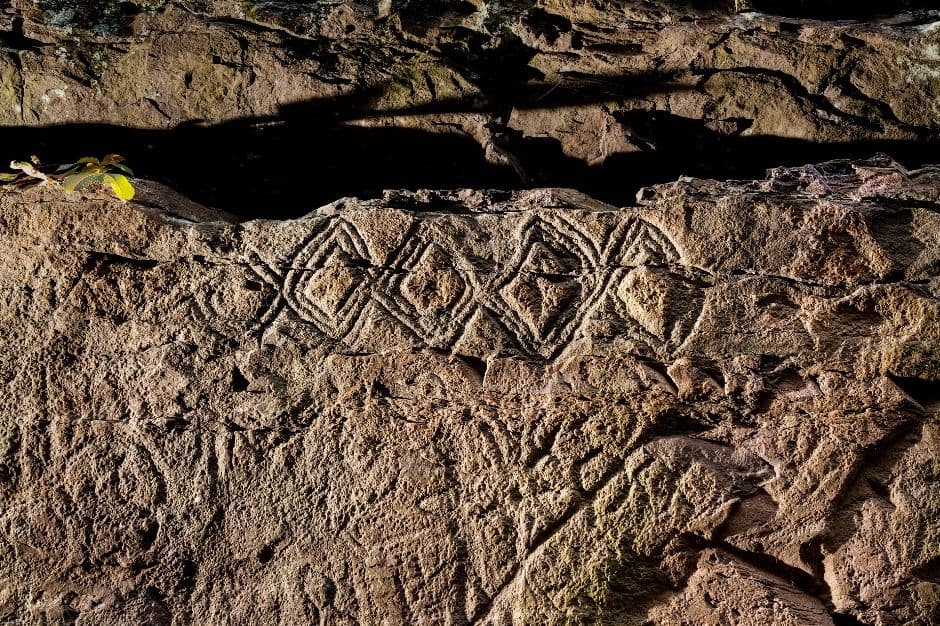
Located in the Munakata region of Fukuoka Prefecture in northwestern Kyushu, Japan, this heritage site comprises the sacred island of Okinoshima and associated terrestrial sites that collectively represent an outstanding example of Japanese religious practice and maritime culture. Okinoshima itself, considered one of Japan's most sacred Shinto sites, has been a place of ritual worship for over two thousand years, with evidence of votive offerings and religious ceremonies preserved on its shores. The island and its related sites on the mainland form a spiritual and geographical continuum that demonstrates the deep connection between maritime communities and religious devotion in ancient and medieval Japan. The archaeological remains, including pottery, bronze implements, and stone artifacts, testify to the continuous religious significance of the location across multiple historical periods. The site's landscape reflects the Japanese conception of sacred geography, where the island represents a liminal space between the earthly and divine realms, connected to the associated mainland temples and shrines through ritual and pilgrimage traditions. The ensemble of natural and cultural features illustrates the integration of Shinto beliefs with the practical concerns of seafaring and trade communities along the northern Kyushu coast.