Historic Centre of the City of Pienza
Pienza
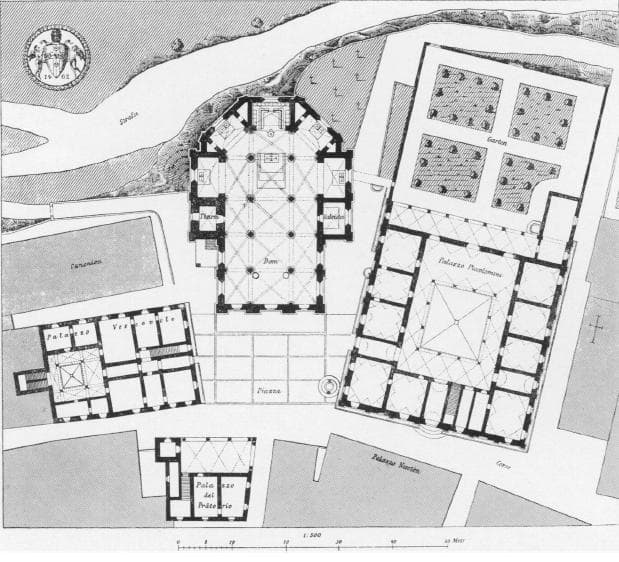
This Italian Renaissance town in Tuscany was conceived as an ideal city in the 15th century under the patronage of Pope Pius II, who envisioned transforming his native village into a model urban centre. The town's layout and architecture were designed according to Renaissance principles of harmony and proportion, with the cathedral, papal palace, and civic buildings arranged around a central plaza. Pienza's urban plan represents an important example of Renaissance town planning theory put into practice, demonstrating the intellectual and artistic ideals of the period. The harmonious ensemble of buildings, constructed from local travertine stone, reflects the unified vision of its creators and has remained remarkably intact. Inscribed as a UNESCO World Heritage Site in recognition of its outstanding representation of Renaissance urban design and its influence on later city planning, Pienza stands as a tangible expression of Enlightenment ideals applied to the organization of urban space.