Cultural
Tchoga Zanbil
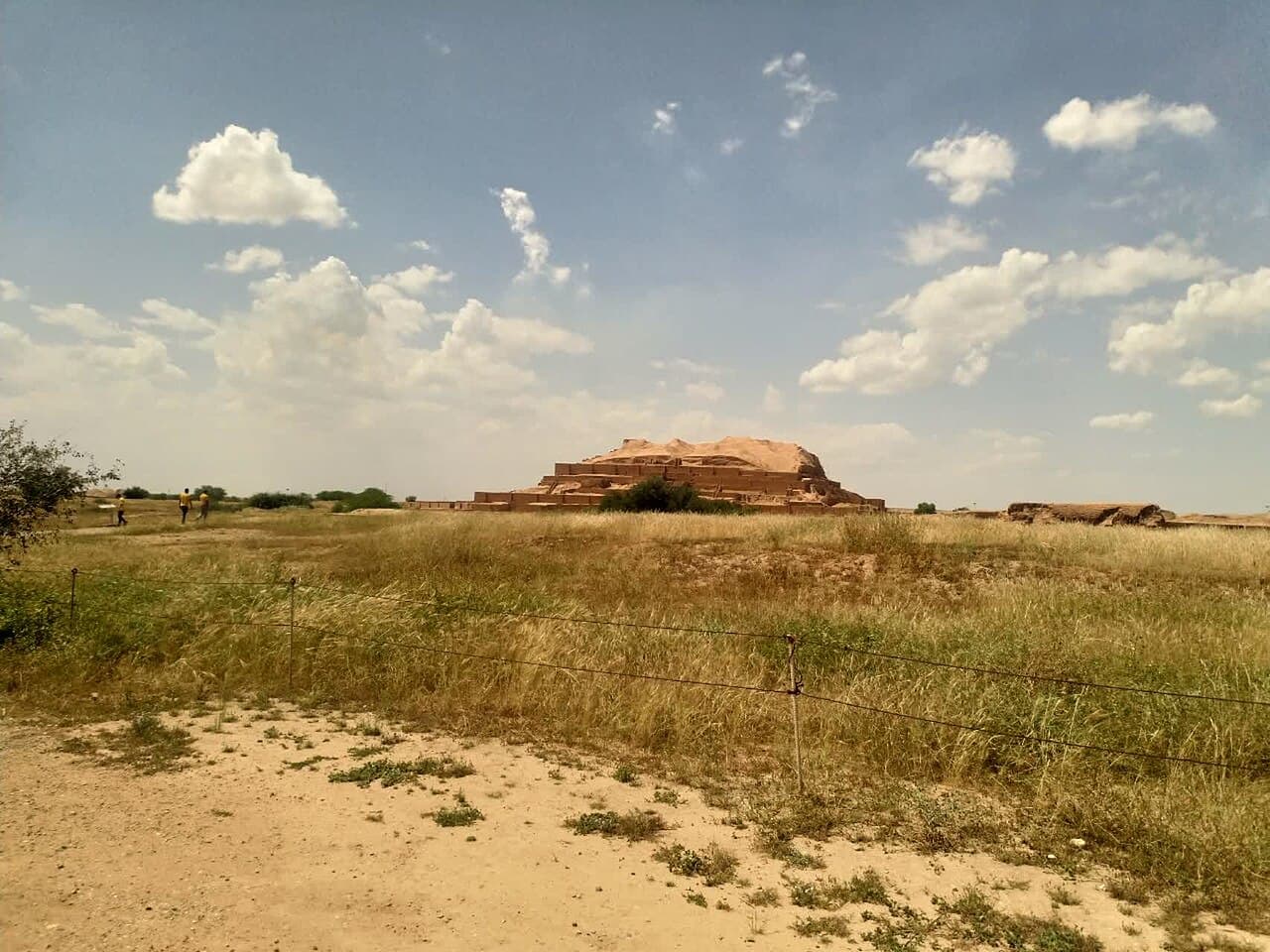
This archaeological site in Iran preserves the remains of an ancient Elamite religious complex centred on a monumental ziggurat. The structure dates to the 13th century BCE and represents a significant example of Mesopotamian architectural tradition adapted to the Elamite civilization. The ziggurat dominates the site with its distinctive tiered form, constructed from mud brick and originally standing substantially higher than its current state. The complex includes temples, palaces, and administrative buildings arranged around the central tower, reflecting the religious and political importance of the settlement. Located in the Khuzestan plain, the site demonstrates the sophisticated urban planning and construction techniques of ancient Elam. The exceptional preservation of the ziggurat's remains and the broader architectural ensemble provide valuable evidence of pre-Islamic Iranian civilization and its interaction with Mesopotamian cultures.