Cultural
Suse
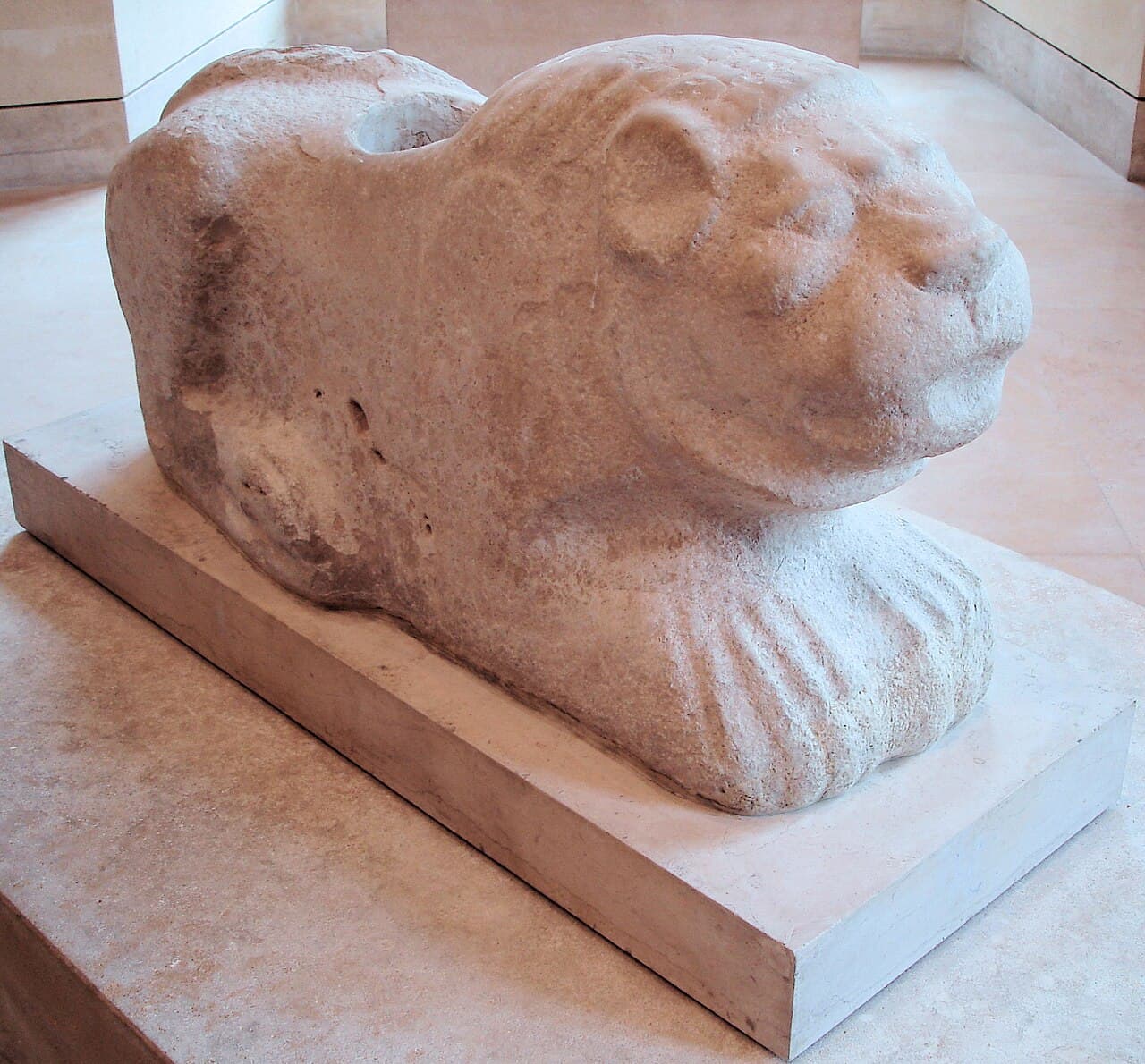
Photo : Iran, Suse au IIIe millénaire avant J.-C. (CC BY-SA 3.0)
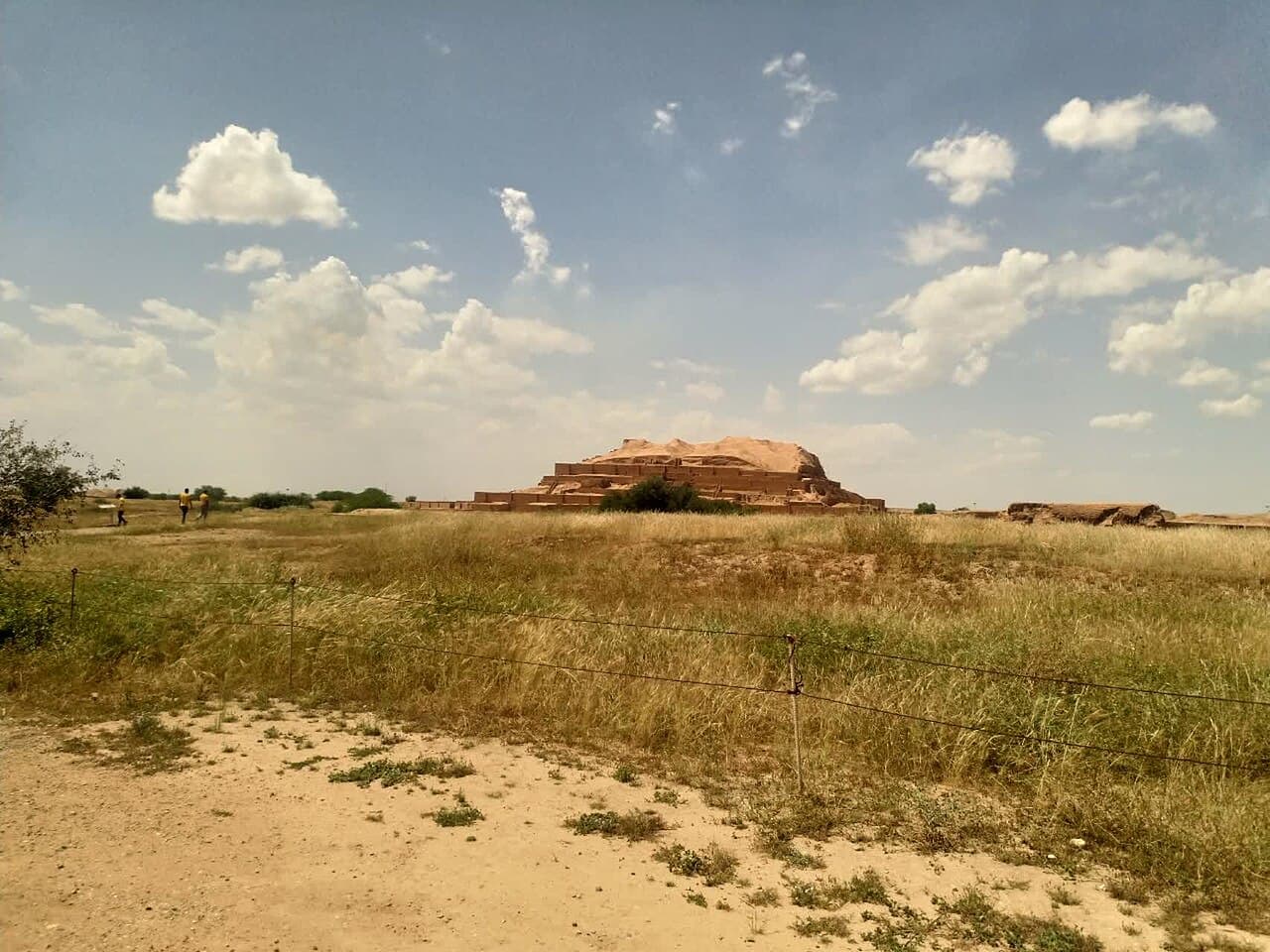
Located in the Khuzestan Province of southwestern Iran, this archaeological site represents one of the most significant urban centers of the ancient world. The site contains substantial remains spanning multiple millennia, with occupation layers documenting the development of early civilization from the fourth millennium BCE onwards. Its UNESCO cultural inscription recognizes the exceptional archaeological value of the remains, which include monumental architecture, administrative structures, and evidence of sophisticated urban planning from successive periods of habitation. The site's visual character is defined by numerous excavated mounds and structural foundations that reveal the complexity of ancient settlement patterns and construction techniques. The location on the plain between the Tigris and Euphrates rivers positioned it as a major center of political and economic activity throughout ancient Mesopotamian history. The surviving material culture and architectural elements provide crucial evidence for understanding the development of early civilizations in the region.