Cultural
Ville archéologique de Samarra
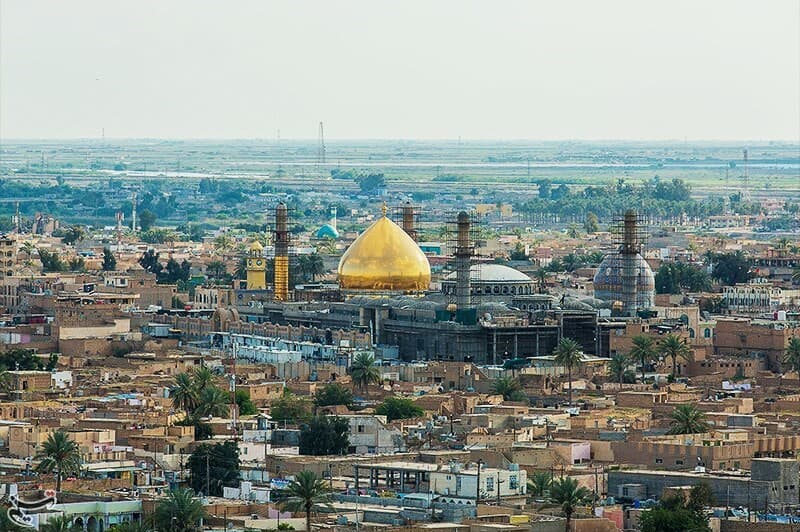
Photo : Amir Hesaminejad (CC BY 4.0)
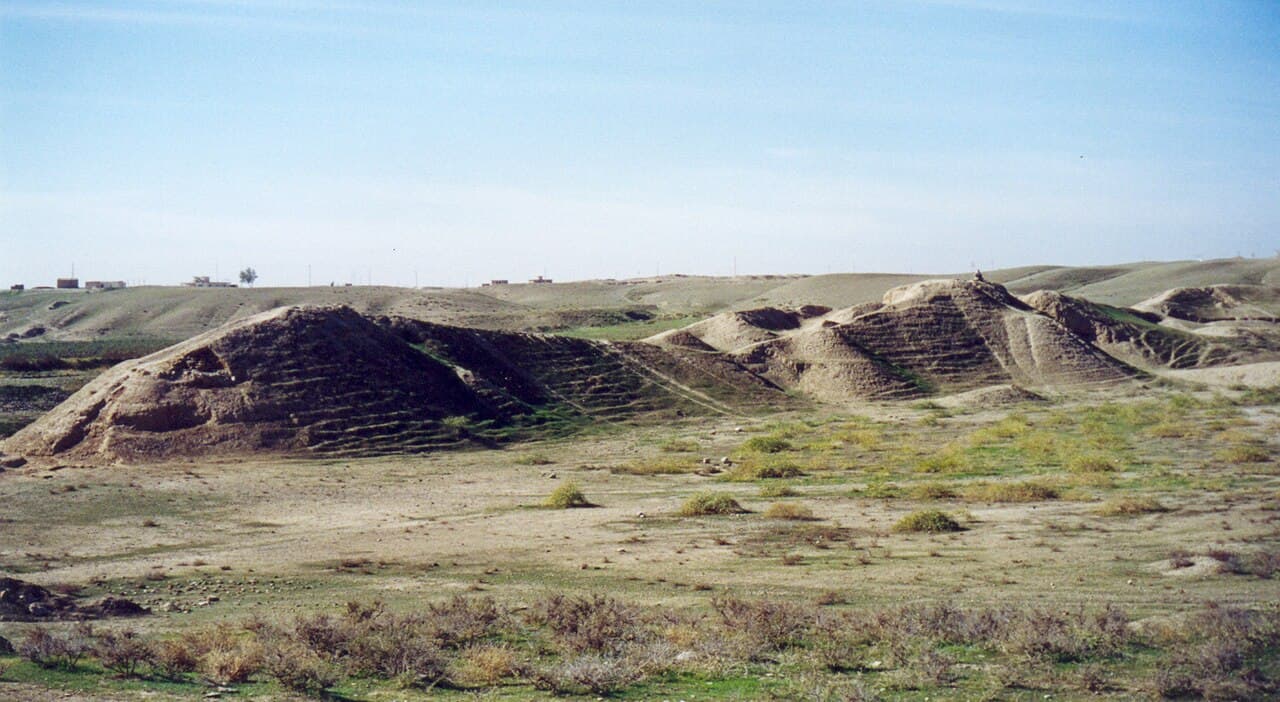
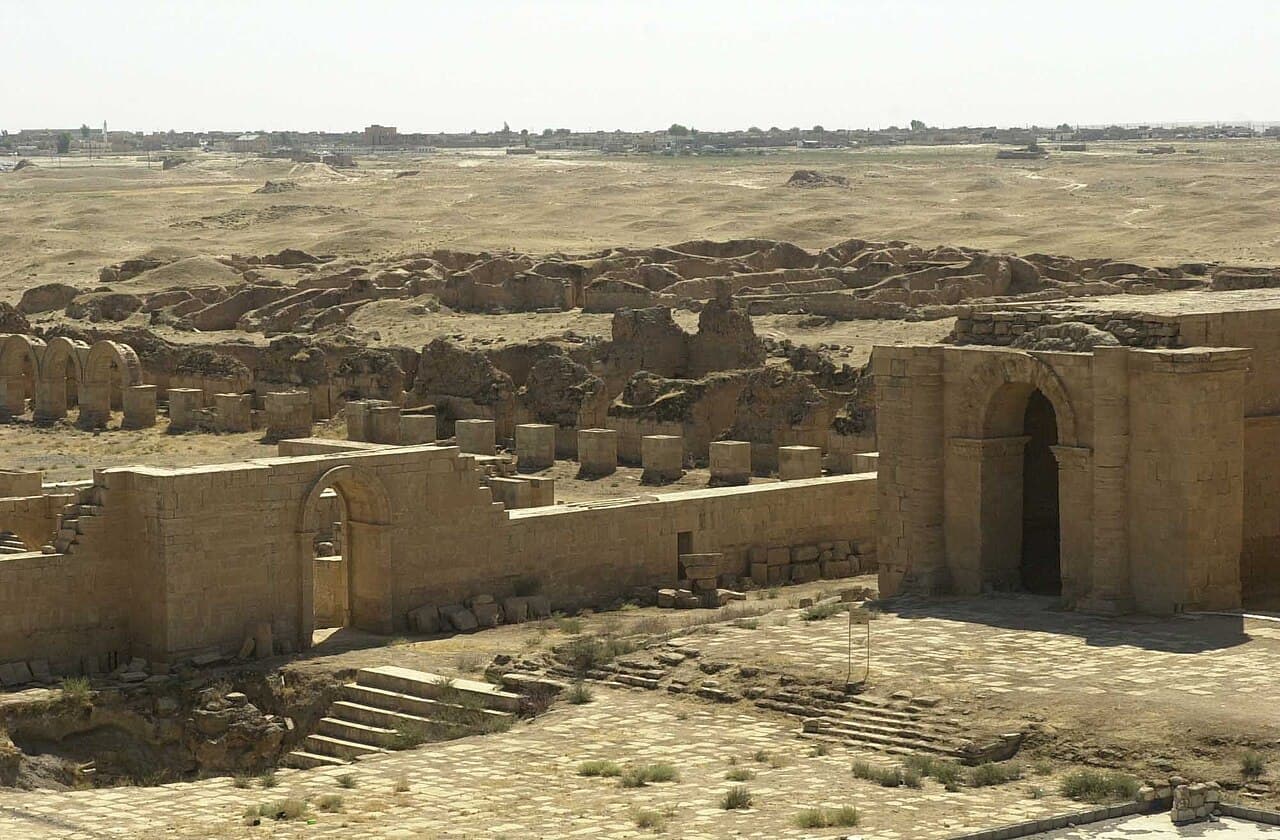
Located in central Iraq along the Tigris River, this archaeological site preserves the remains of a major Islamic city that served as the capital of the Abbasid Caliphate during the 9th century. The site encompasses an extensive urban area featuring the ruins of palaces, mosques, administrative buildings, and residential quarters that demonstrate the sophisticated planning and architectural achievements of the medieval Islamic period. The layout and material remains provide significant evidence of urban organization, construction techniques, and daily life in a major historical metropolis. The site's archaeological importance lies in its well-preserved structures, including decorative elements and inscriptions that illuminate the cultural and political significance of this former capital. The remains are dispersed across a substantial area on both banks of the river, with varying states of preservation that reflect centuries of occupation, abandonment, and environmental conditions. The site constitutes an important source of knowledge about Islamic civilization and urban development during the Abbasid era.