Cultural
Weimar classique
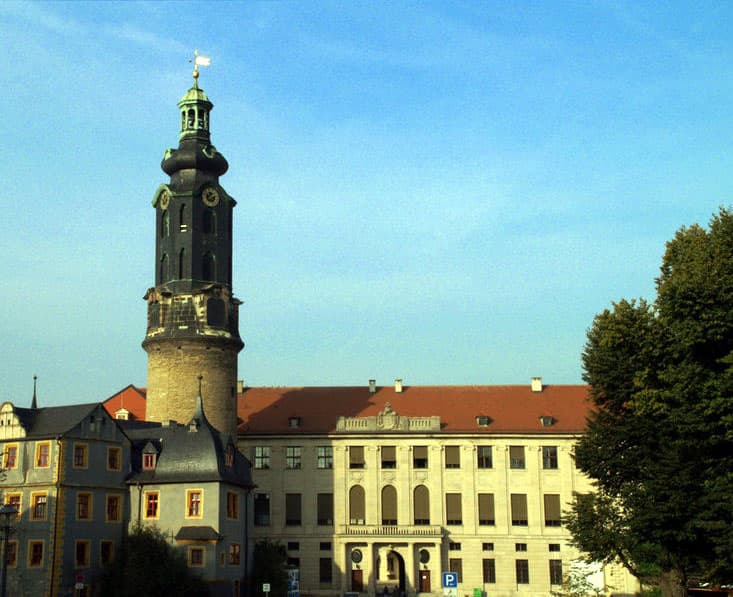
Photo : Dundak (CC BY-SA 2.5)
This cultural heritage site encompasses the classical architectural and intellectual achievements of Weimar, a city in central Germany that became a major center of Enlightenment thought and artistic innovation during the 18th and 19th centuries. The ensemble includes significant buildings, parks, and cultural institutions that reflect the city's role as a seat of ducal power and its later prominence as a hub of German classicism. The site is characterized by neoclassical structures and carefully designed urban spaces that embodied contemporary ideals of reason, aesthetics, and humanist philosophy. Weimar's cultural significance is reflected in its association with major intellectual figures and artistic movements, particularly during the period when it served as a cultural capital under enlightened patronage. The city's layout and architectural heritage demonstrate the integration of classical principles into urban planning and design. The inscription recognizes Weimar's exceptional contribution to European cultural development and its lasting influence on artistic and philosophical thought.