Cultural
Sites palafittiques préhistoriques autour des Alpes
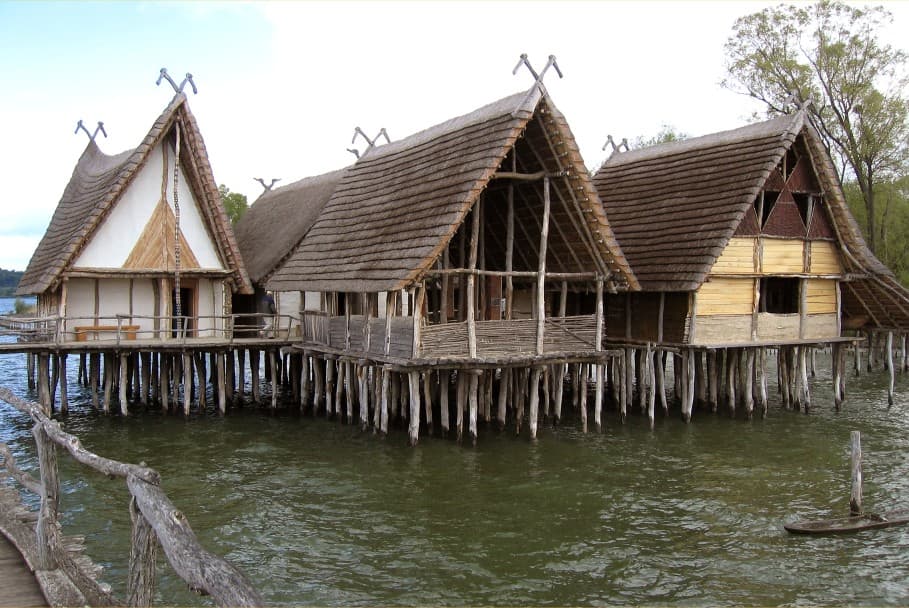
This cultural heritage site comprises prehistoric stilt house (or pile dwelling) settlements located in the Alpine region of Germany and surrounding areas. These archaeological remains document human settlement patterns and living conditions during the Neolithic and Bronze Age periods around Alpine lakes and wetland areas. The sites are characterized by exceptionally well-preserved organic remains, including wood, textiles, and food residues, which provide rare insights into prehistoric daily life, construction techniques, and environmental conditions. The waterlogged conditions in these locations have created anaerobic environments that inhibit decomposition, allowing for an unusual degree of archaeological preservation. The stilt settlements represent significant evidence of early agrarian societies in Europe and their adaptation to challenging Alpine and sub-Alpine environments. These remains contribute substantially to understanding the prehistory and development of human communities in Central Europe.