Cultural
Paysage archéologique des premières plantations de café du sud-est de Cuba
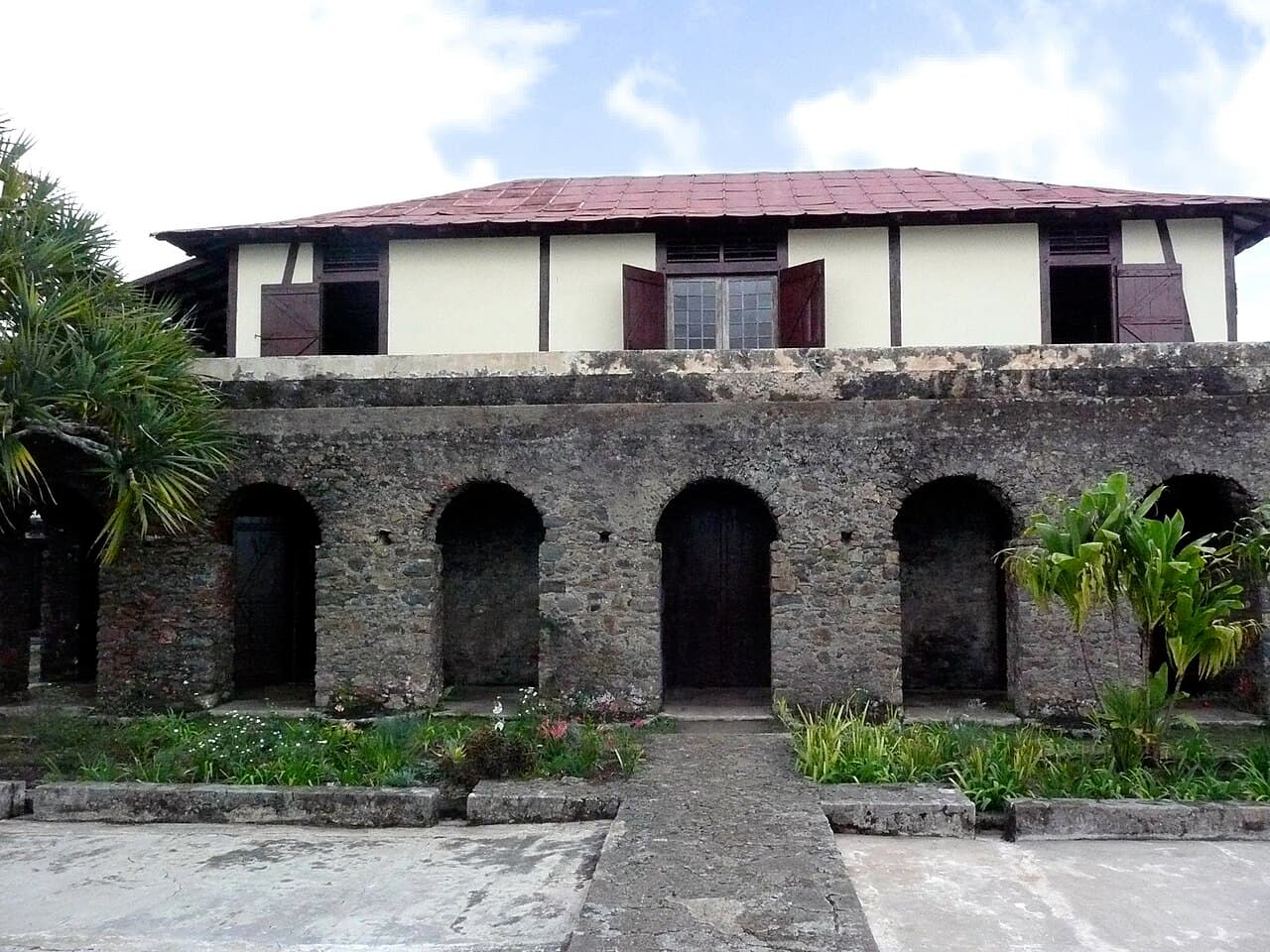
Photo : Sigi Knoll (Lagaly_de) (CC BY-SA 3.0)
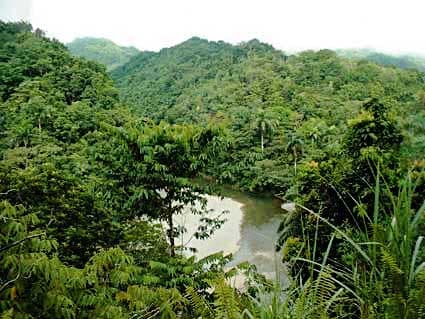
Located in southeastern Cuba, this archaeological landscape encompasses the remains of early coffee plantations that developed in the region during the colonial period. The site preserves the physical traces of plantation infrastructure, including terraced agricultural systems, residential structures, and processing facilities that reflect the historical organization of coffee production. The mountainous terrain and specific environmental conditions of the area made it particularly suitable for coffee cultivation, resulting in a distinctive pattern of settlement and land use. The archaeological remains document the agricultural practices, architectural traditions, and social structures associated with early coffee farming in the Caribbean. The landscape represents an important testimony to the colonial economic systems and cultural exchanges that shaped the region's history. This site is significant for understanding the development of agricultural heritage and the historical processes of European colonization in Cuba.