Cultural
Centre historique urbain de Cienfuegos
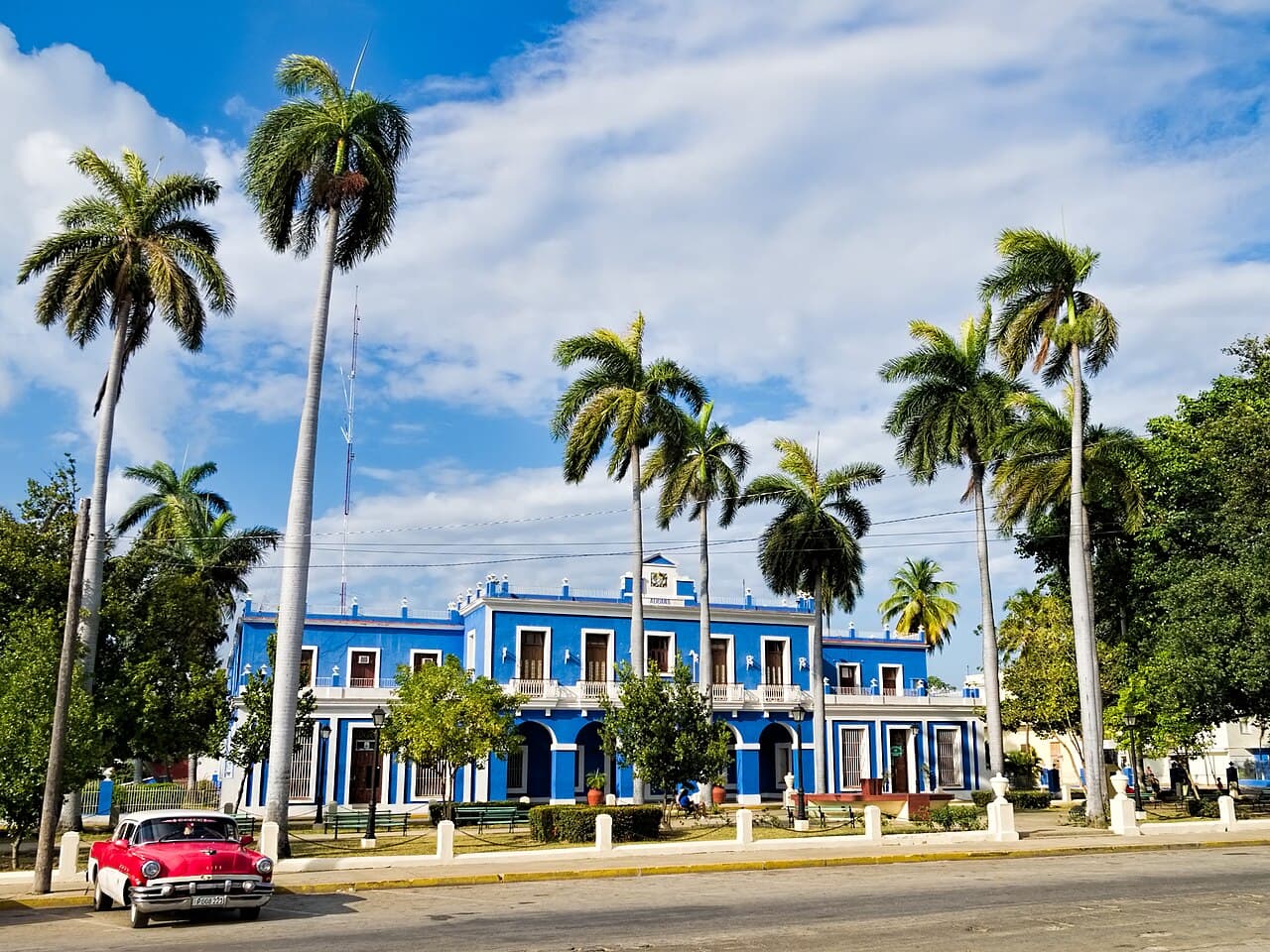
Photo : Dan Lundberg (CC BY-SA 2.0)
Located on the southern coast of Cuba, this urban historic centre represents a significant example of Spanish colonial town planning adapted to Caribbean conditions. Founded in the early 19th century, the site demonstrates a structured grid layout typical of Enlightenment principles, with streets organized around a central plaza. The architectural ensemble comprises neoclassical and eclectic buildings that reflect the prosperity generated by the sugar trade and maritime commerce of the period. The urban fabric is characterized by uniform building heights, arcaded structures, and consistent architectural vocabulary that create visual coherence throughout the centre. The site's preservation of its original spatial organization and architectural features illustrates the development of urban design in the Caribbean region during the colonial era. The historic centre remains an active urban area, maintaining its role as the city's principal commercial and civic hub while preserving its historical character.