Cultural
Centre historique de Camagüey
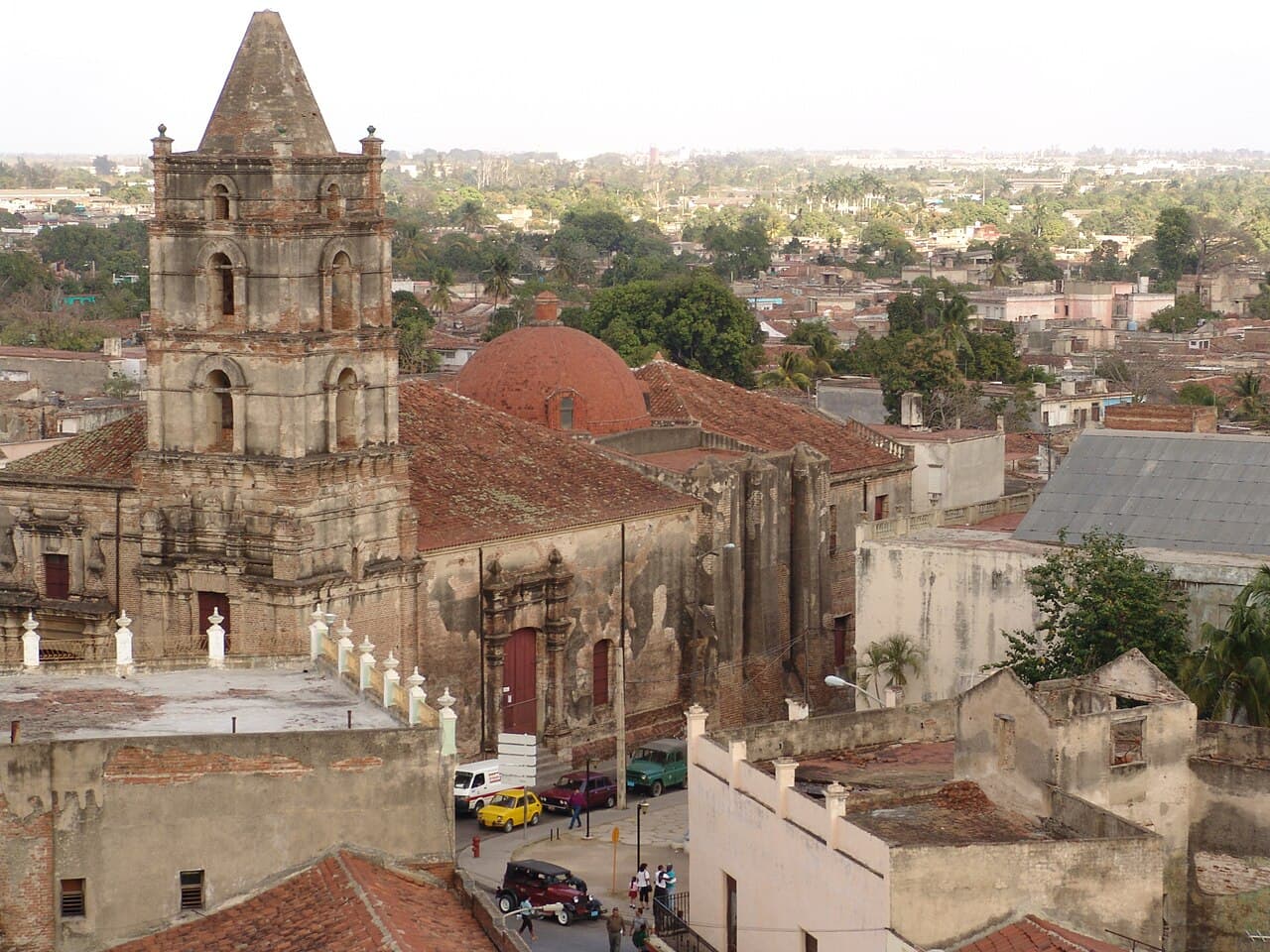
Photo : Danleo (CC BY 2.5)
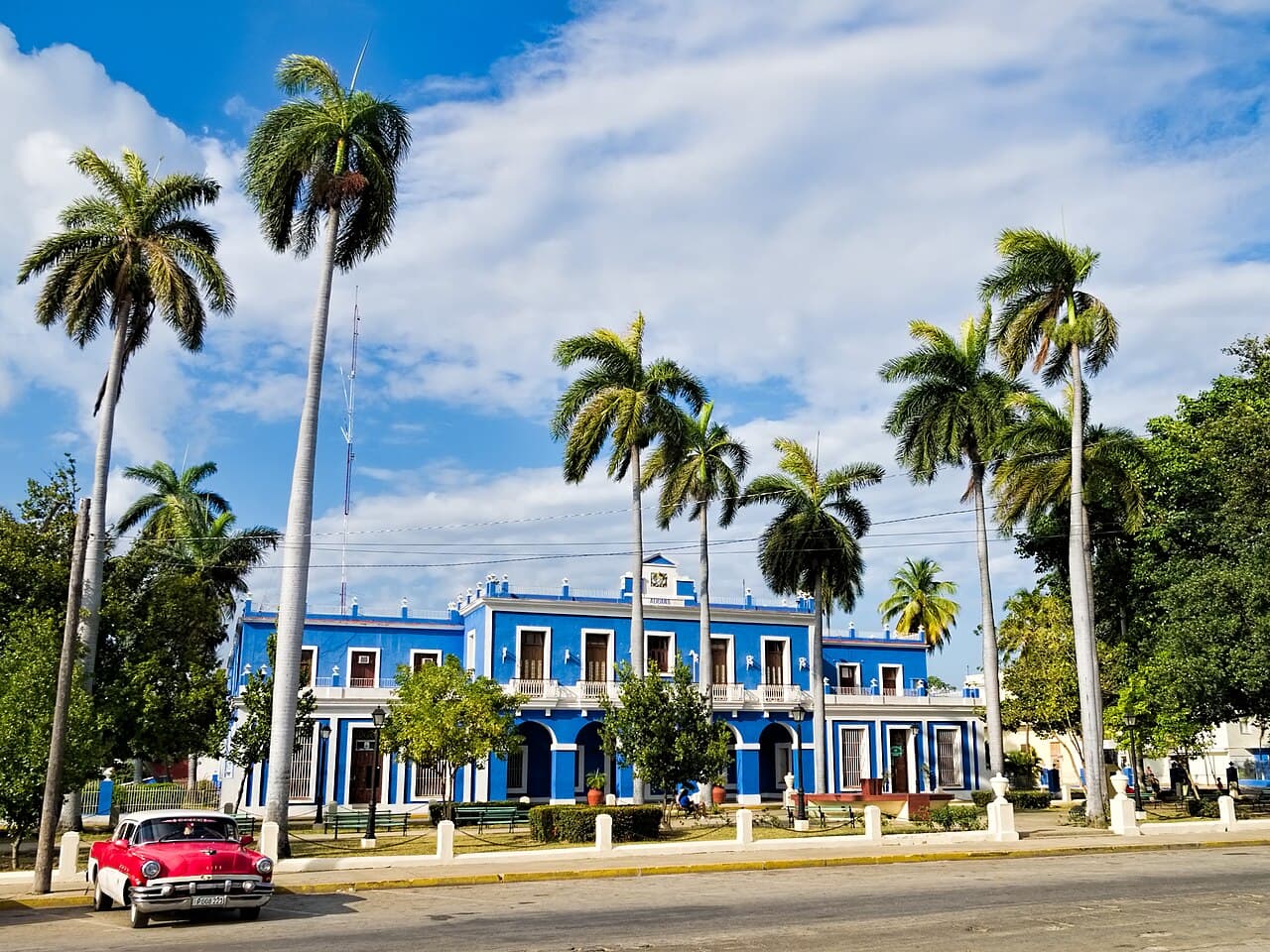
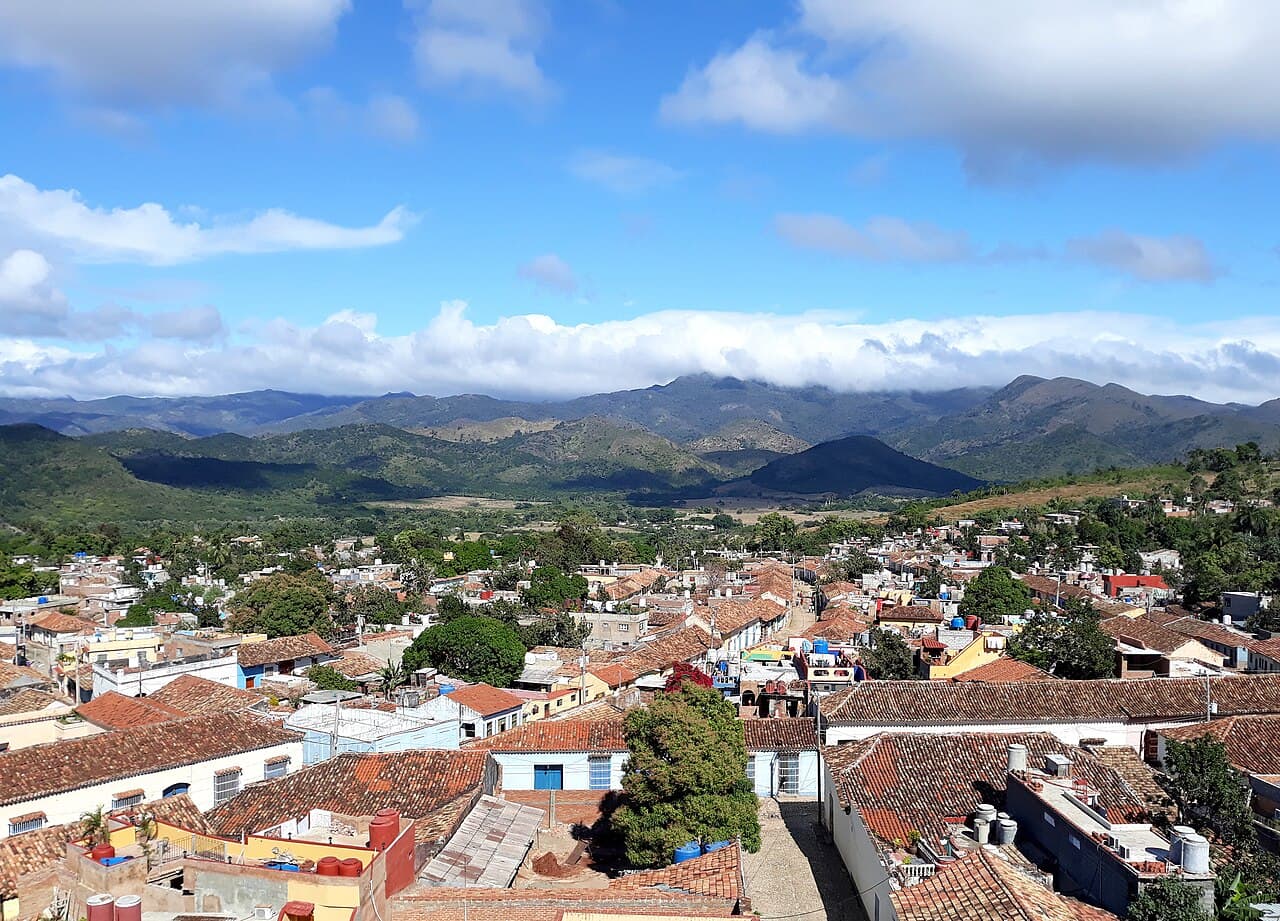
Located in the province of Camagüey in central Cuba, this historic centre represents an outstanding example of Spanish colonial urban planning from the 18th and 19th centuries. The irregular street layout of the city was designed to confuse pirates and protect merchant activities, creating a distinctive urban form that differs from the more ordered gridiron patterns found in other colonial Cuban cities. The site is characterised by its numerous plazas, colonial architecture, and well-preserved buildings that reflect the city's development as an important trading post and cattle-raising centre. The historic fabric demonstrates the evolution of architectural styles across several centuries, with structures ranging from baroque to neoclassical forms. The preservation of this urban ensemble provides significant testimony to the cultural and economic history of Spanish colonial settlement in the Caribbean region.