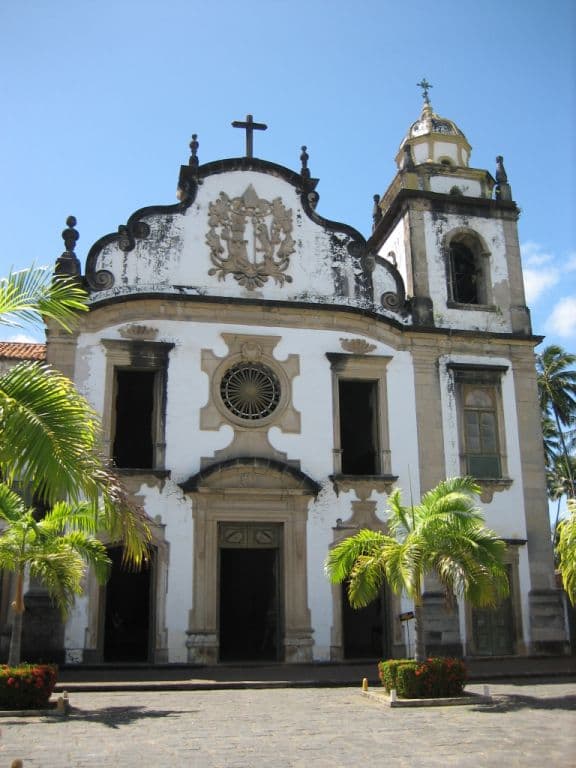
Cultural
Centre historique de la ville de Goiás
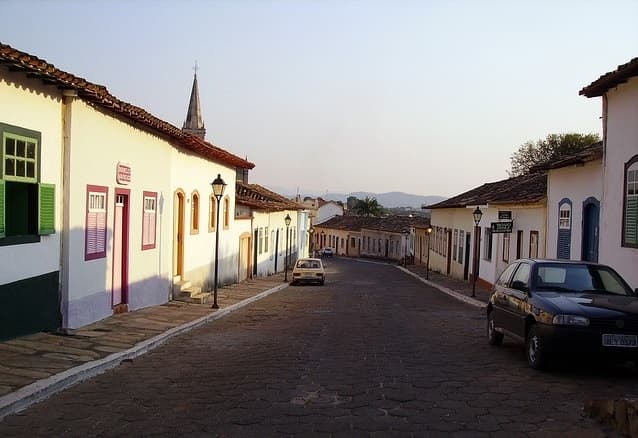
Located in central Brazil, this historic centre represents an important example of Portuguese colonial town planning from the 18th century. The site preserves the architectural heritage of a former capital city, with its original street layout, colonial buildings, and religious structures remaining largely intact. The town's layout follows the baroque urban design principles typical of Portuguese settlements, with a main axis and subordinate streets adapted to the local topography. The buildings showcase characteristic colonial architectural features, including whitewashed facades, tile work, and traditional construction methods that reflect the region's historical development. The ensemble demonstrates the cultural and economic significance of the settlement during Brazil's gold mining period. The preservation of this urban fabric, with both its monumental and vernacular structures, contributes to understanding colonial Portuguese American heritage.