Cultural
Monastère de Rila
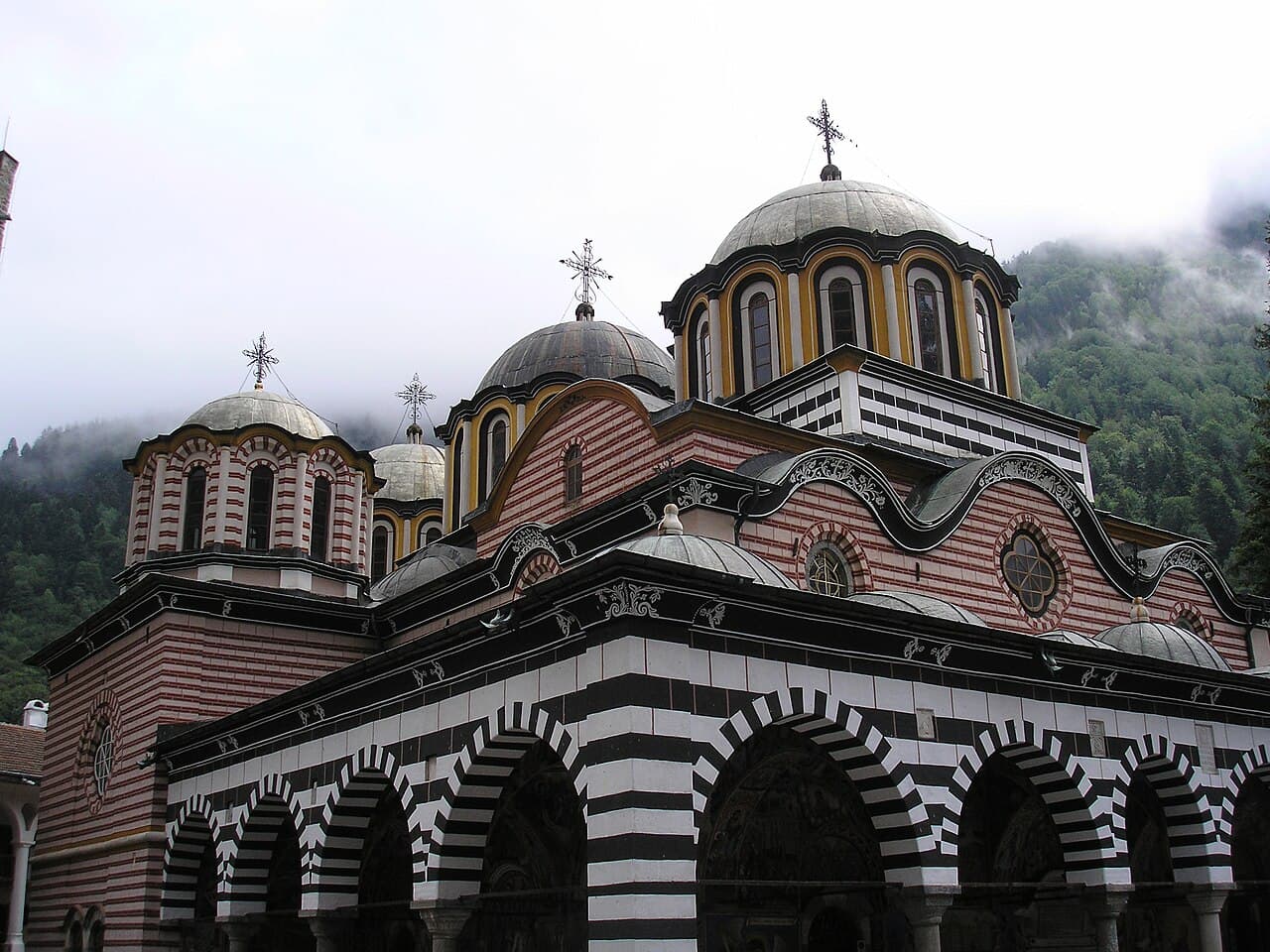
Photo : FREDERIC LE BOURHIS (CC BY-SA 3.0)
Located in the Rila Mountains of southwestern Bulgaria, this Orthodox monastic complex stands as one of the most significant medieval religious centers in the Balkans. Founded in the 10th century, the monastery served as an important spiritual and cultural hub, particularly during the period of Ottoman occupation when it became a symbol of Bulgarian national identity and Orthodox resistance. The site is characterized by its distinctive fortified design, featuring high defensive walls that enclose the monastic buildings arranged around a central courtyard. The main katholikon, or cathedral church, displays remarkable Byzantine architectural elements alongside later additions reflecting centuries of continuous use and renovation. The monastery's wall paintings, manuscripts, and carved wooden iconostasis represent important examples of Orthodox artistic traditions and ecclesiastical craftsmanship. Its inscription as a UNESCO World Heritage site recognizes both its architectural significance and its role as a repository of Bulgarian cultural and religious heritage.