Cultural
Centres historiques de Berat et de Gjirokastra
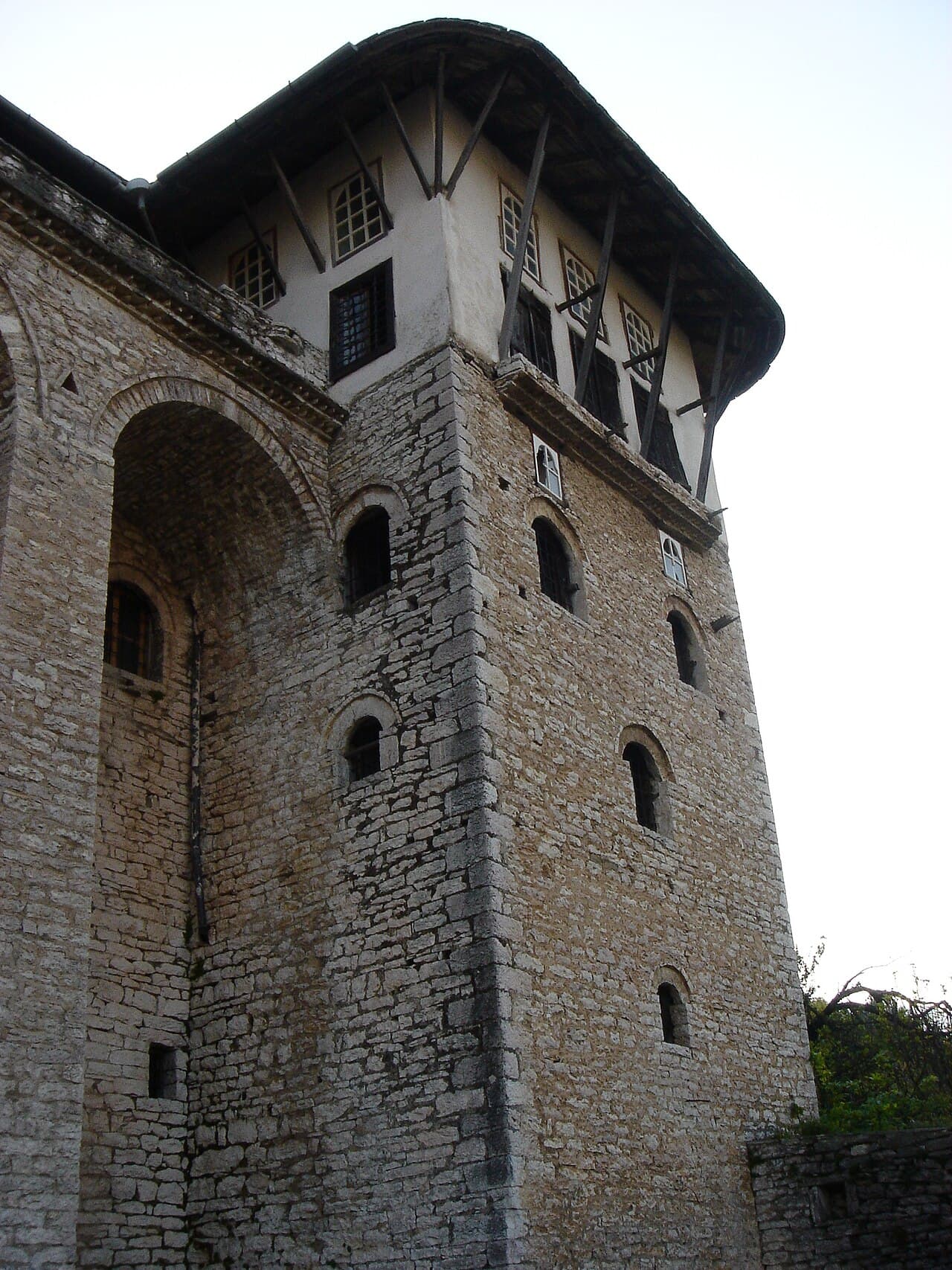
Photo : Anastasia Tzigounaki (CC BY-SA 3.0 igo)
These two historic towns in southern Albania represent exceptional examples of Ottoman architecture and urban planning from the 15th to 19th centuries. Berat and Gjirokastra are characterized by their distinctive hillside locations and densely packed residential quarters featuring stone houses with overhanging upper floors, a vernacular building tradition unique to the region. The towns retain their medieval street patterns and defensive structures, including fortified citadels that dominated their respective landscapes and served as administrative and military centers. Both sites preserve important collections of religious and civic architecture reflecting centuries of cultural exchange and the layering of different historical periods. Their physical setting in the mountainous terrain of southern Albania contributed to the preservation of these urban ensembles, which have experienced relatively limited modern development. The architectural heritage of Berat and Gjirokastra provides significant testimony to the Ottoman influence on the Balkans and the evolution of Balkan urban settlements during this extended historical period.