Region
Museums, galleries and heritage in Corse
53 places to discover across Corse.
Including Citadelle de Calvi, Maison Bonaparte and Musée Fesch.

An Island Shaped by Layers of History
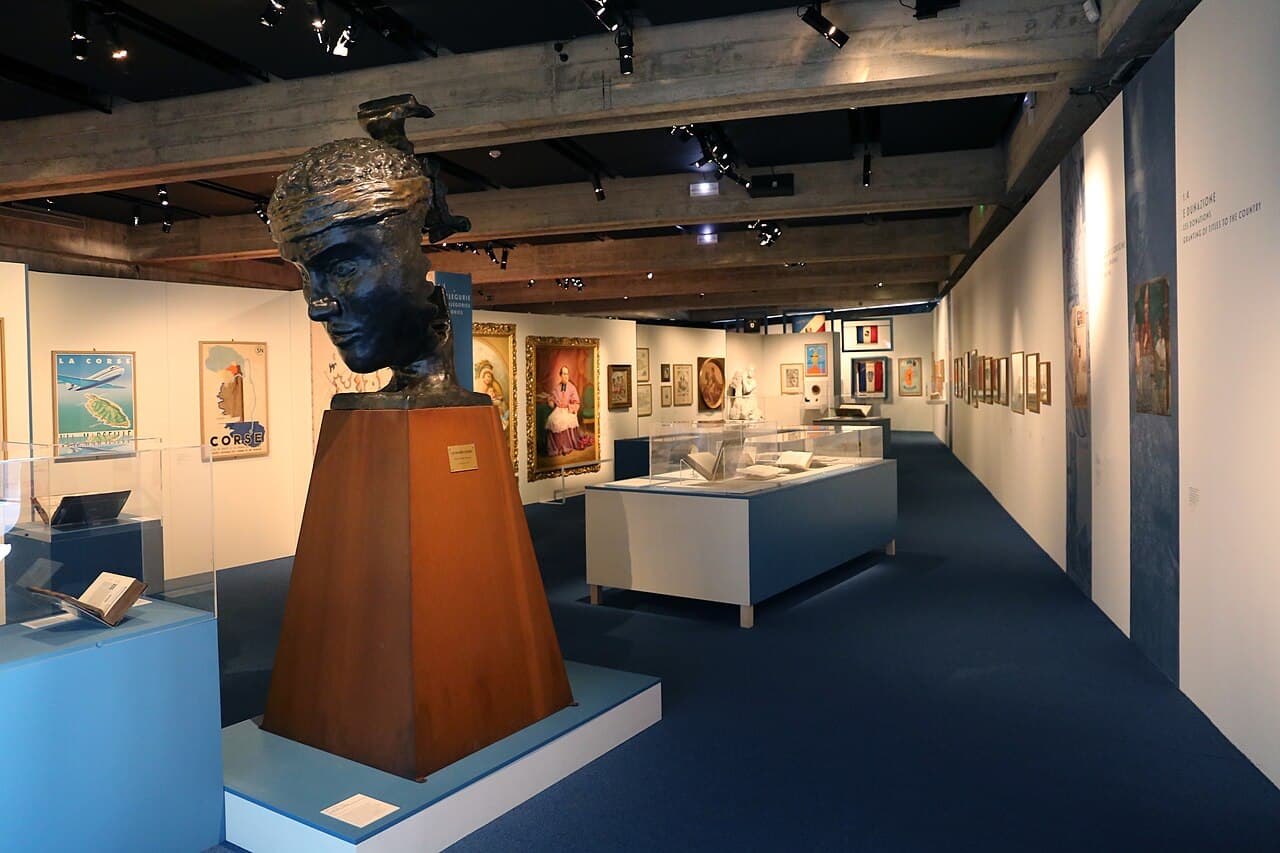
Corsica's cultural landscape is defined by the imprint of successive civilizations: prehistoric settlers, Roman colonists, Genoese rulers and, more recently, the Bonaparte family. In Ajaccio, the Maison Bonaparte preserves the house where Napoleon was born, recognized as one of France's official 'Maisons des Illustres', while the nearby NapoRama offers a more unusual approach to the same figure, using dioramas to retrace his life.
Fine arts are equally well represented: the Musée Fesch, housed in the Palais Fesch in Ajaccio, holds paintings ranging from Renaissance primitives to the 20th century — one of the most significant Italian painting collections in France outside the Louvre.
Further north, in Bastia, the Casa di e Scenze introduces science to a wide public, while the Jardins Suspendus du Musée de Bastia adds a green, terraced counterpoint to the city's historical museum quarter.
Key Towns and Cultural Hubs
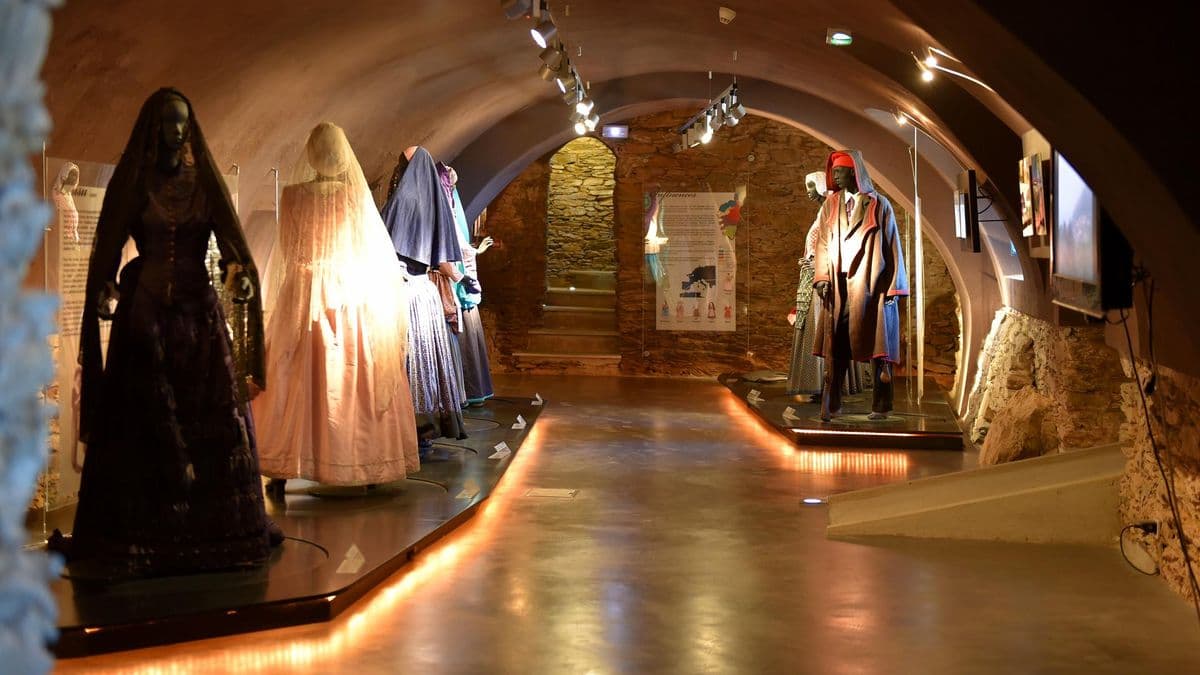
Inland, Corte, the historic capital of Corsican independence, houses the Musée de la Corse within its citadel, presenting the ethnographic collection assembled by Father Louis Doazan, alongside the Frac Corse, which anchors the town firmly in contemporary art through France's regional FRAC network.
On the eastern coastal plain, Aléria and Lucciana preserve major archaeological remains: the Musée d'archéologie d'Aleria, set within the Genoese Fort de Matra, and the Musée archéologique de Mariana, built around the antique and paleo-Christian remains of Mariana.
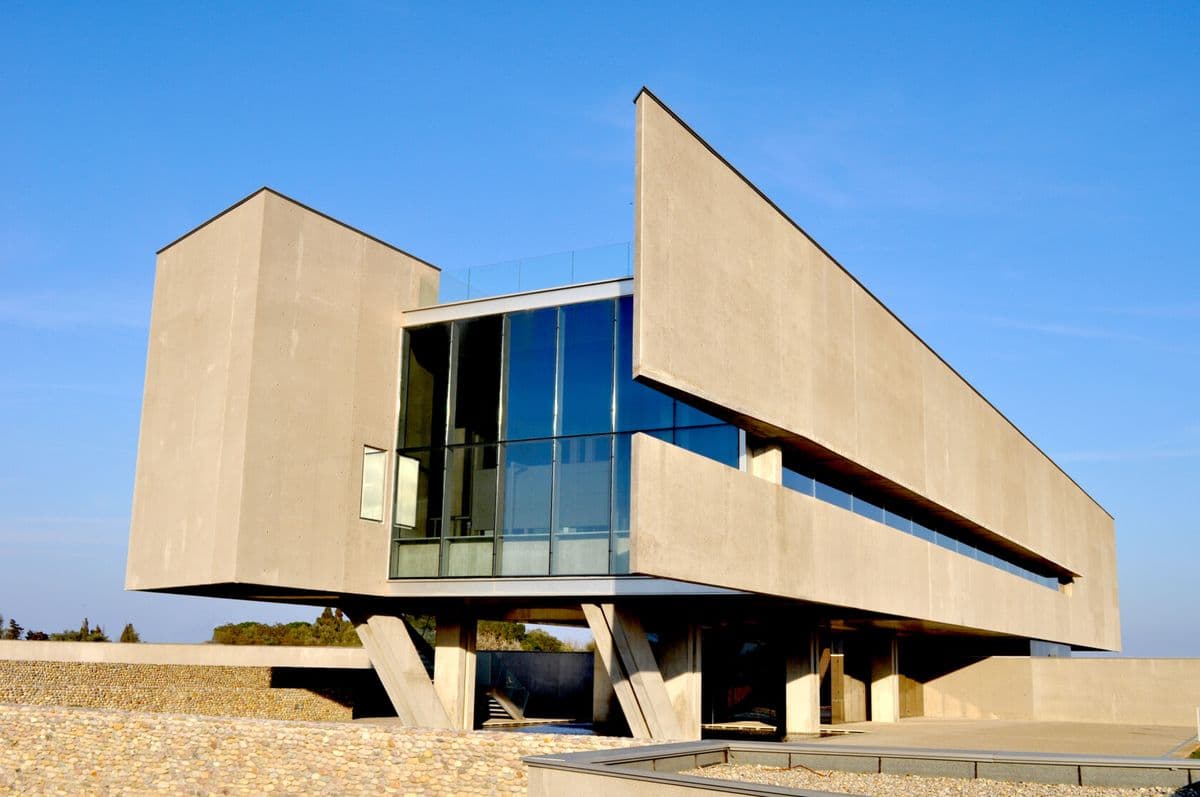
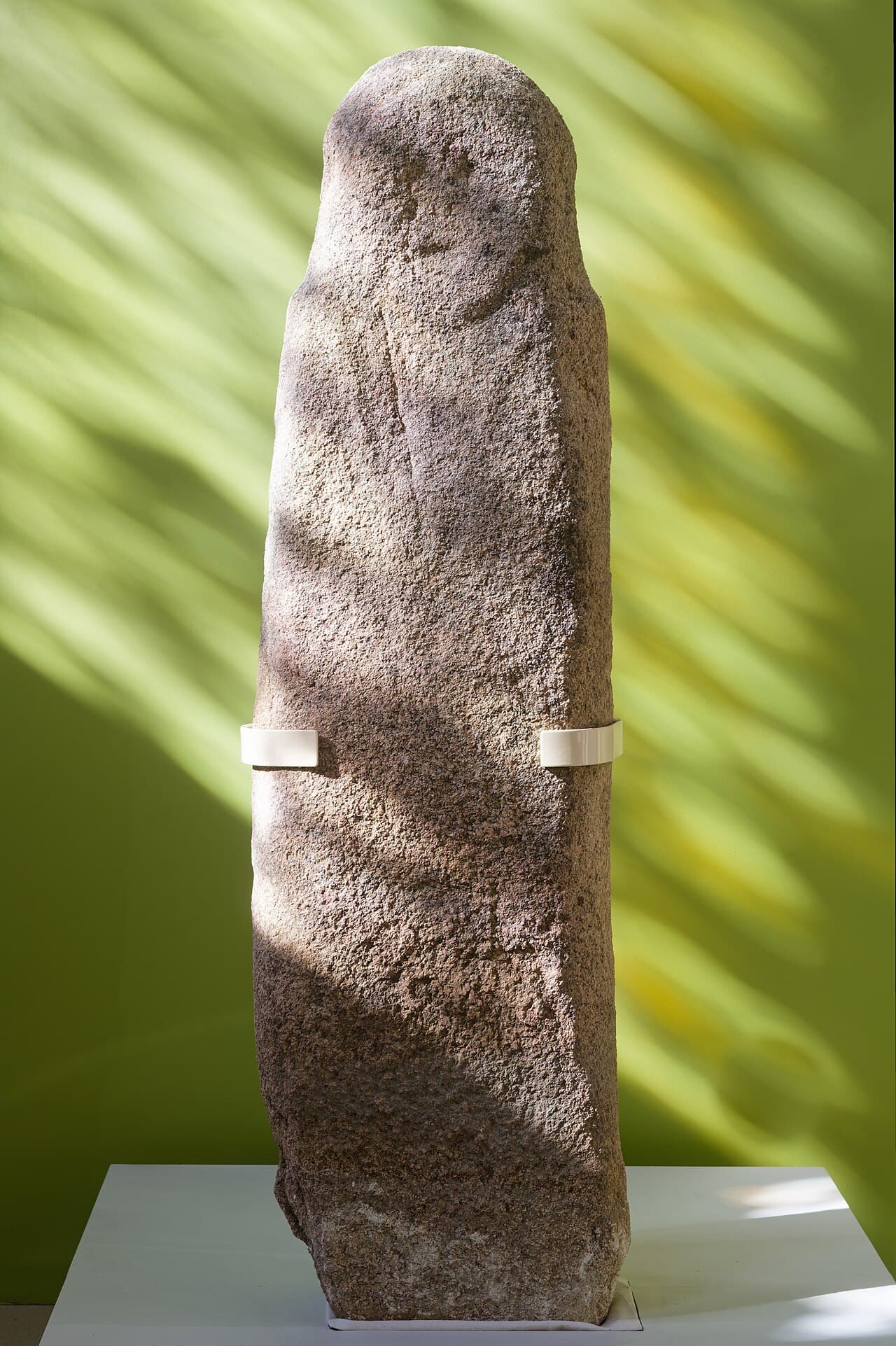
In the south, Sartène hosts the Musée d'archéologie de la Corse, tracing the island's occupation from its first settlements nearly 10,000 years ago, while the village of Zonza in the Alta Rocca is home to the Musée De La Résistance corse, the island's only institution dedicated to the Second World War period.
Frequently asked questions
How many days are needed to explore Corsica's main museums?
Allow at least 4 to 5 days to cover Ajaccio, Bastia, Corte and the archaeological sites of the east coast without rushing.
What is the best time of year to visit the Gulf of Porto?
Late spring (May-June) and early autumn (September) offer calm seas for boat excursions and fewer crowds than midsummer.
Is the Maison Bonaparte suitable for a short visit?
Yes, the visit typically takes 45 minutes to an hour and is well suited to a half-day itinerary combined with the Musée Fesch nearby.
Are Corsica's archaeological museums accessible for families?
The Musée d'archéologie d'Aleria and the Musée archéologique de Mariana both offer clear, chronological displays that work well for visitors of all ages.
Can the Gulf of Porto be visited without a boat trip?
Yes, the calanche de Piana can be admired from coastal viewpoints and hiking trails, though a boat tour remains the only way to see the Scandola reserve up close.