Department
Museums, galleries and heritage in Eure-et-Loir
39 places to discover across Eure-et-Loir.
Including Cathédrale de Chartres, Château de Châteaudun and Maison Picassiette.
7 of 7 places, sorted by distance from the center

Towns to explore
Anet · Bailleau-Armenonville · Bonneval · Chartres · Châteaudun · Dreux · Épernon · Illiers-Combray · Maintenon · Mainvilliers · Nogent-le-Rotrou · Orgères-en-Beauce · Saint-Martin-de-Nigelles · Saint-Piat · Sainville · Senonches
A Department Shaped by Cathedral and Countryside
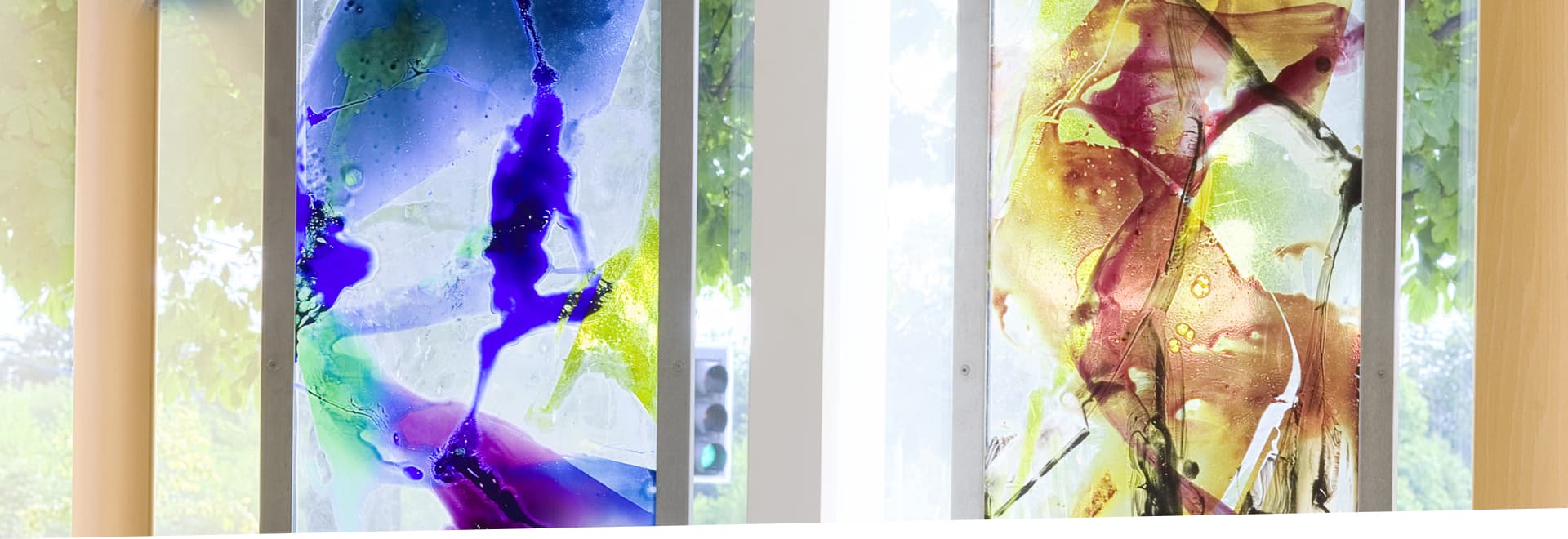
Eure-et-Loir's identity is anchored by the Cathédrale de Chartres, inscribed on the UNESCO World Heritage List since 1979 for its 13th-century architecture and its unmatched collection of medieval stained-glass windows. The building has shaped Chartres into a city where the craft of glasswork remains a living tradition, visible today in institutions such as the Musée du Vitrail and the Centre international du Vitrail de Chartres.
Beyond the cathedral city, the department splits into two contrasting landscapes: the flat, fertile Beauce plain to the east, historically France's grain basket, documented at the Conservatoire de l'Agriculture - Le Compa in Mainvilliers and the Maison du Tourisme "Cœur de Beauce" in Orgères-en-Beauce; and the wooded Perche hills to the west, centered on Nogent-le-Rotrou and its Renaissance-era Château Saint-Jean desormais des Comtes du Perche.
This is part of
Chartres and Beyond: Where to Look
Chartres itself concentrates the department's densest cultural offer around its old town, where cobbled streets descend toward the Eure river beneath the cathedral's twin spires. Within walking distance, visitors find the Maison Picassiette, an entirely mosaic-covered house built by cemetery worker Raymond Isidore, alongside the Prieuré Saint-Vincent and the Collégiale Saint-André, both repurposed religious buildings now hosting exhibitions.
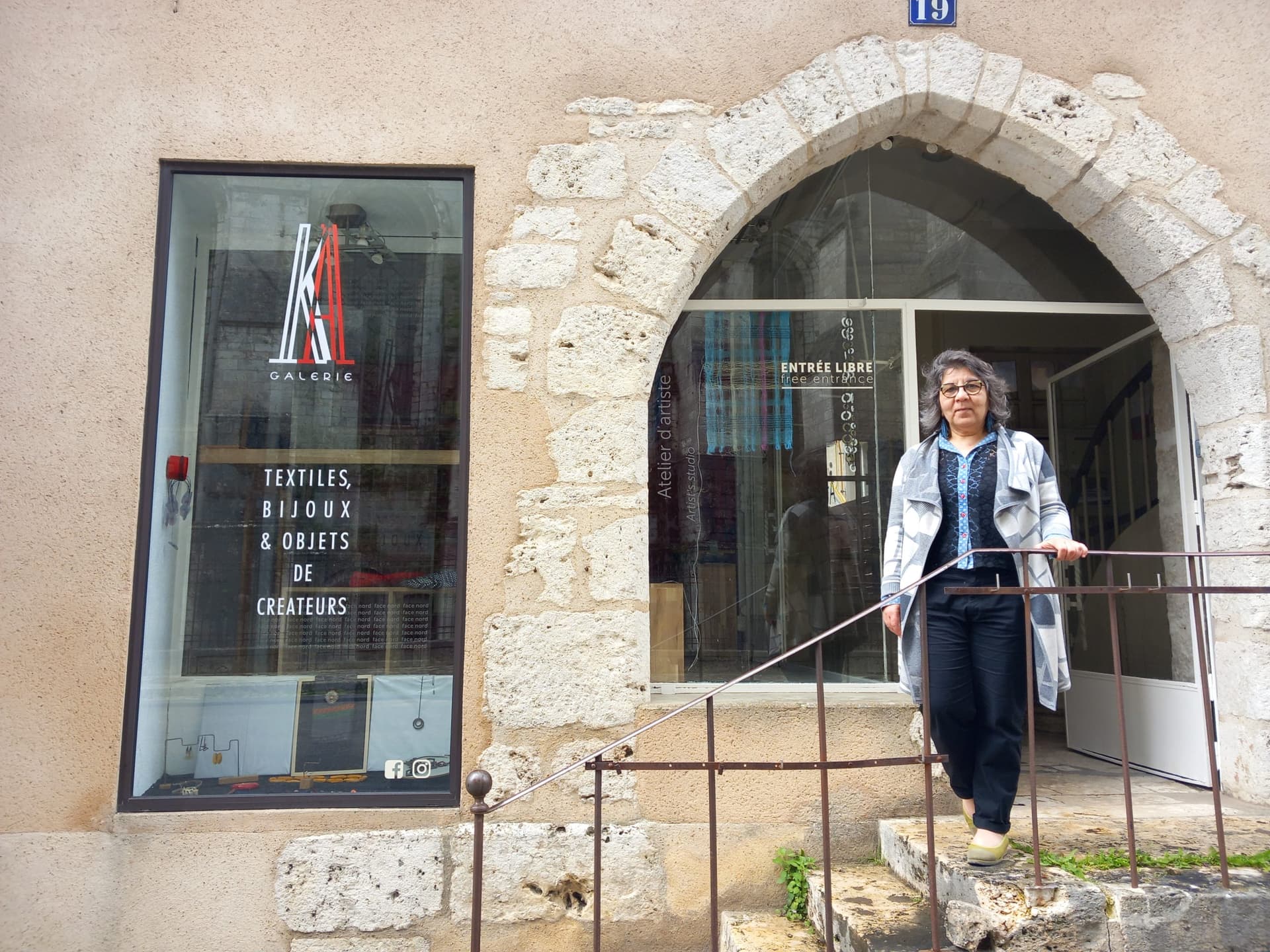
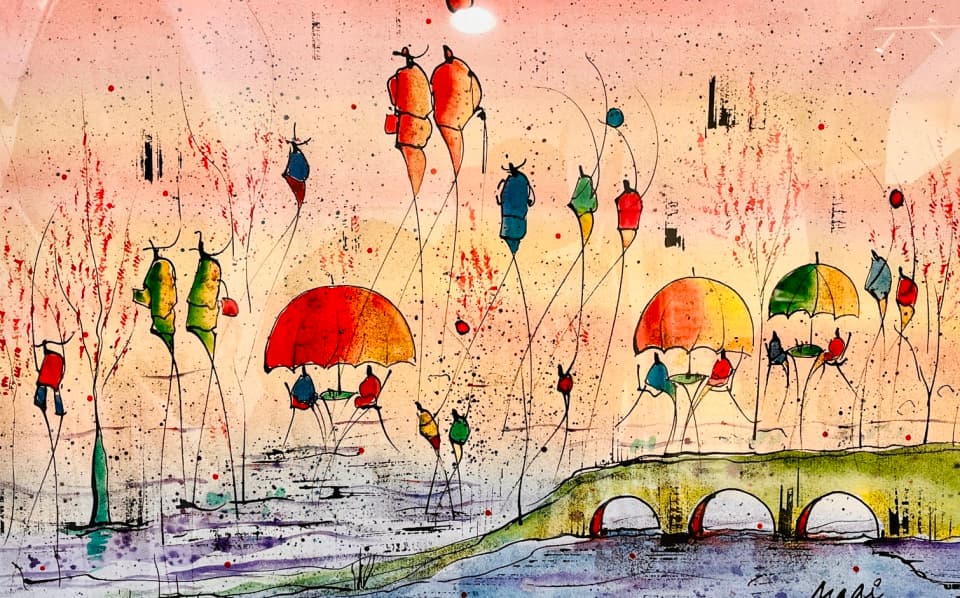
Chartres also supports a small but active gallery scene, including Galerie Magi, Galerie KA and JLF Gallery, while La Galerie du Vitrail continues the city's specialization in stained glass with contemporary work.
Dreux, in the north, has its own museum ecosystem centered on the Musée d'Art et d'Histoire de Dreux
History Written into the Landscape
Eure-et-Loir carries traces of the Franco-Prussian War of 1870-71, when fighting around Loigny-la-Bataille left one of the conflict's heaviest local tolls. The Musée de la guerre de 1870 - Loigny-la-Bataille and the Musée de la Guerre 1870 both interpret this episode for visitors tracing the battle sites scattered across the plain.
Prehistoric occupation is documented at the Musée des mégalithes de Changé near Maintenon, built around a surviving megalithic ensemble, giving the department a much longer historical arc than its medieval cathedral suggests.
Frequently asked questions
How much time should I plan for visiting Chartres Cathedral?
Allow at least 1.5 to 2 hours to see the nave, the crypt and the stained-glass windows properly; joining a guided tour of the windows adds real depth to the visit.
Is Eure-et-Loir worth visiting beyond Chartres?
Yes: Dreux, Châteaudun and Nogent-le-Rotrou each hold distinct museums, and the Beauce and Perche countryside offer contrasting landscapes within a short drive.
What is the Maison Picassiette and why is it unusual?
It is a house in Chartres entirely decorated in mosaic by its former owner, a cemetery worker, using broken tableware and glass collected over decades; it's one of France's most striking works of self-taught art.
When is the best time to visit Eure-et-Loir?
Spring and early autumn offer mild weather for exploring both Chartres' old town and the open Beauce plain, and avoid the busiest summer weekends around the cathedral.
Are the smaller museums in Eure-et-Loir accessible without a car?
Chartres itself is walkable and well served by train from Paris, but sites like Le Compa, Loigny-la-Bataille or the Perche museums are easier to reach with a car.