13080
Museums, galleries and heritage around Aix-en-Provence
35 places listed in Aix-en-Provence itself.
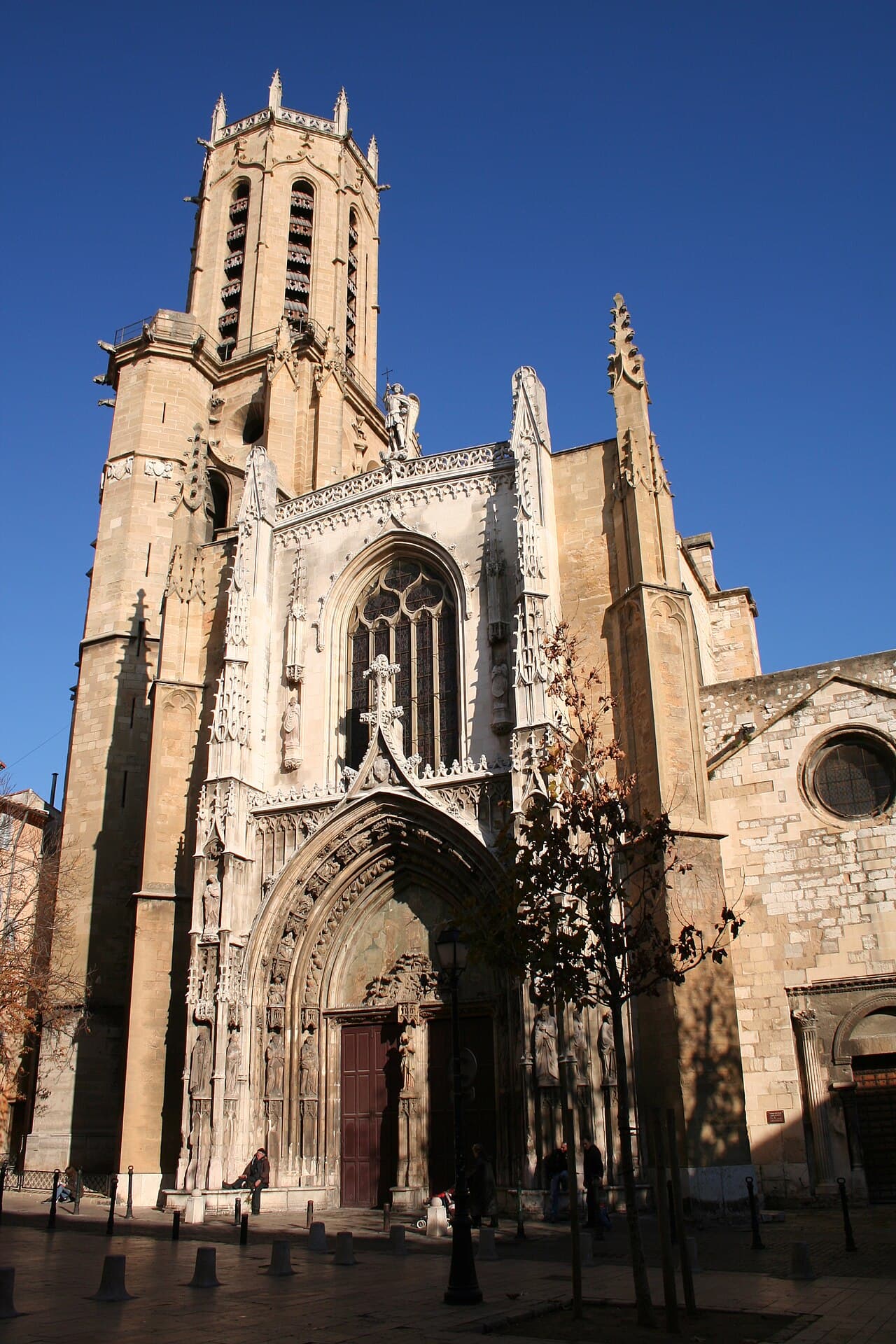
Including Hôtel de Caumont - Centre d'Art, Musée Granet and Cathédrale Saint-Sauveur d'Aix.
21 places to discover within 5 km of Aix-en-Provence.
An Art City Shaped by Cézanne and Classical Heritage
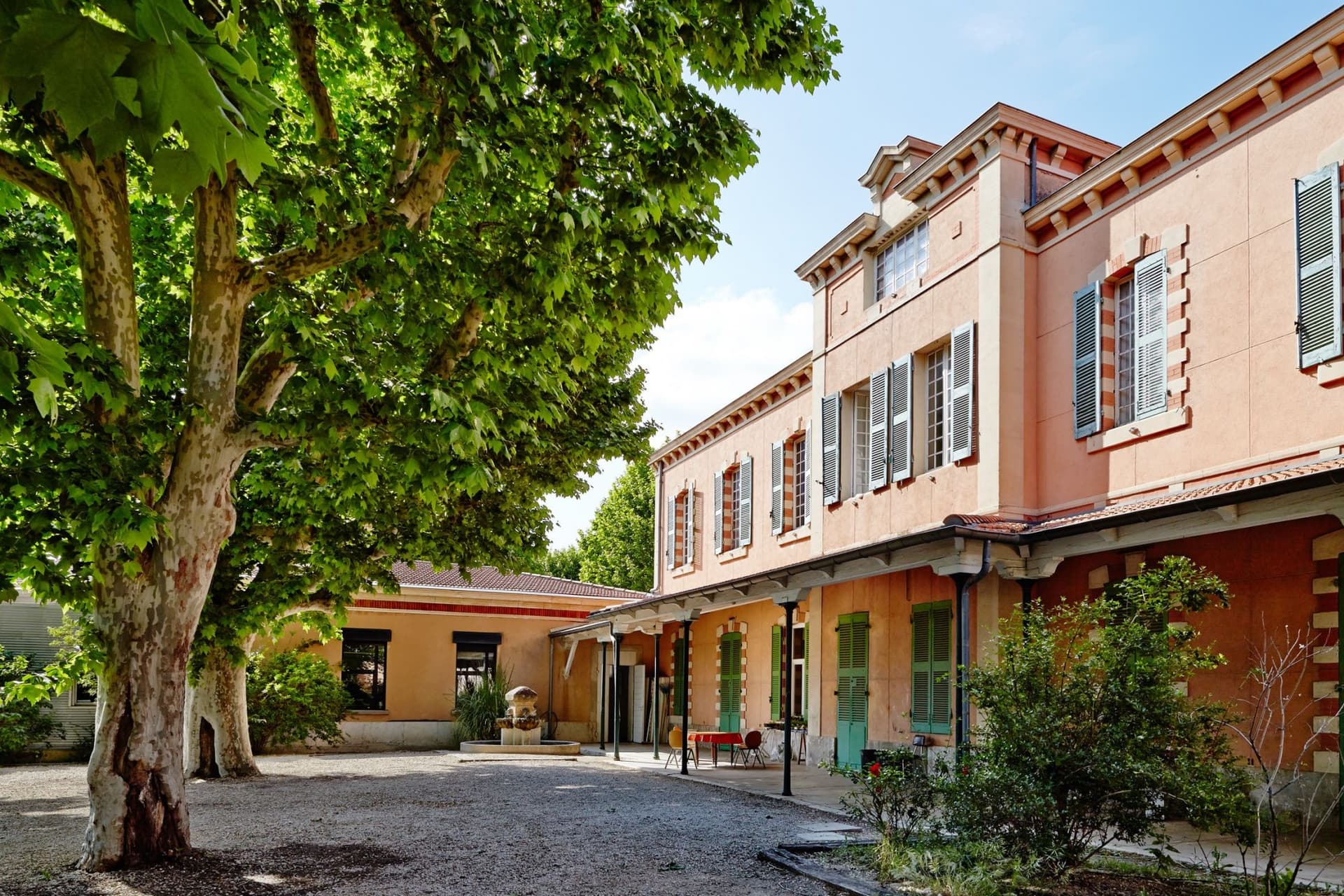
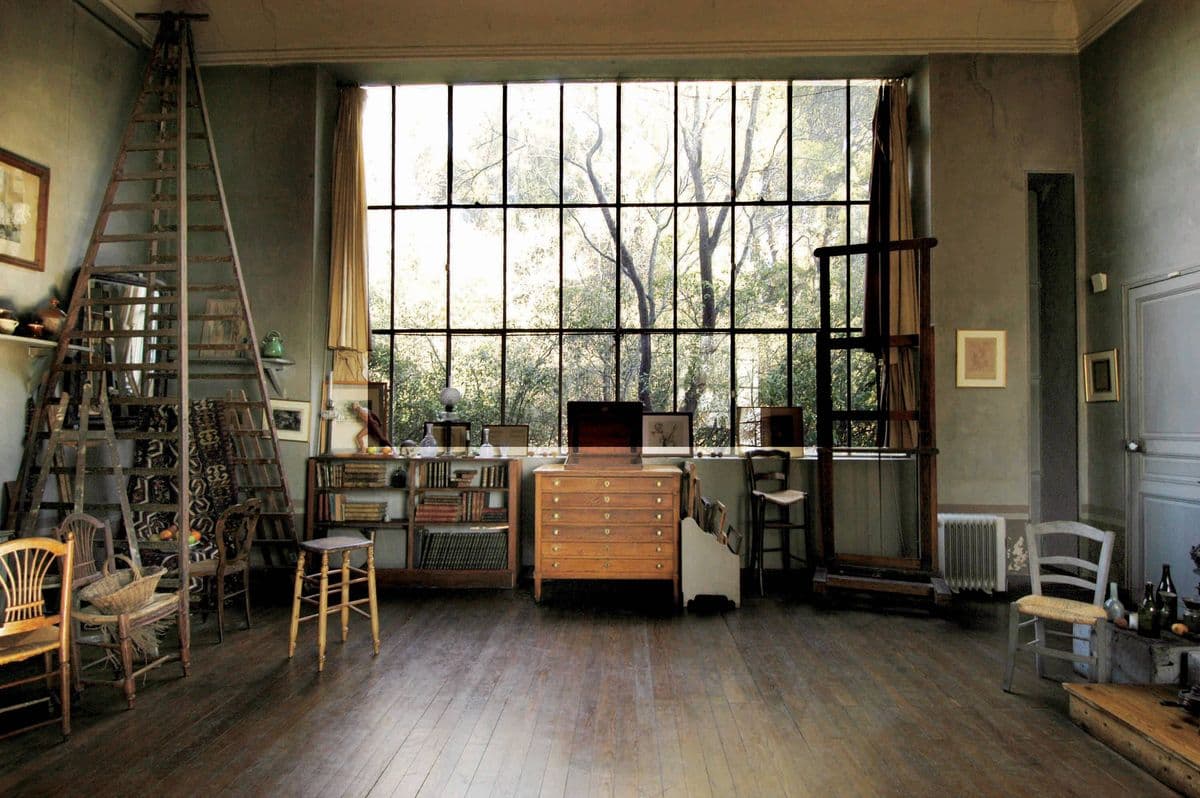
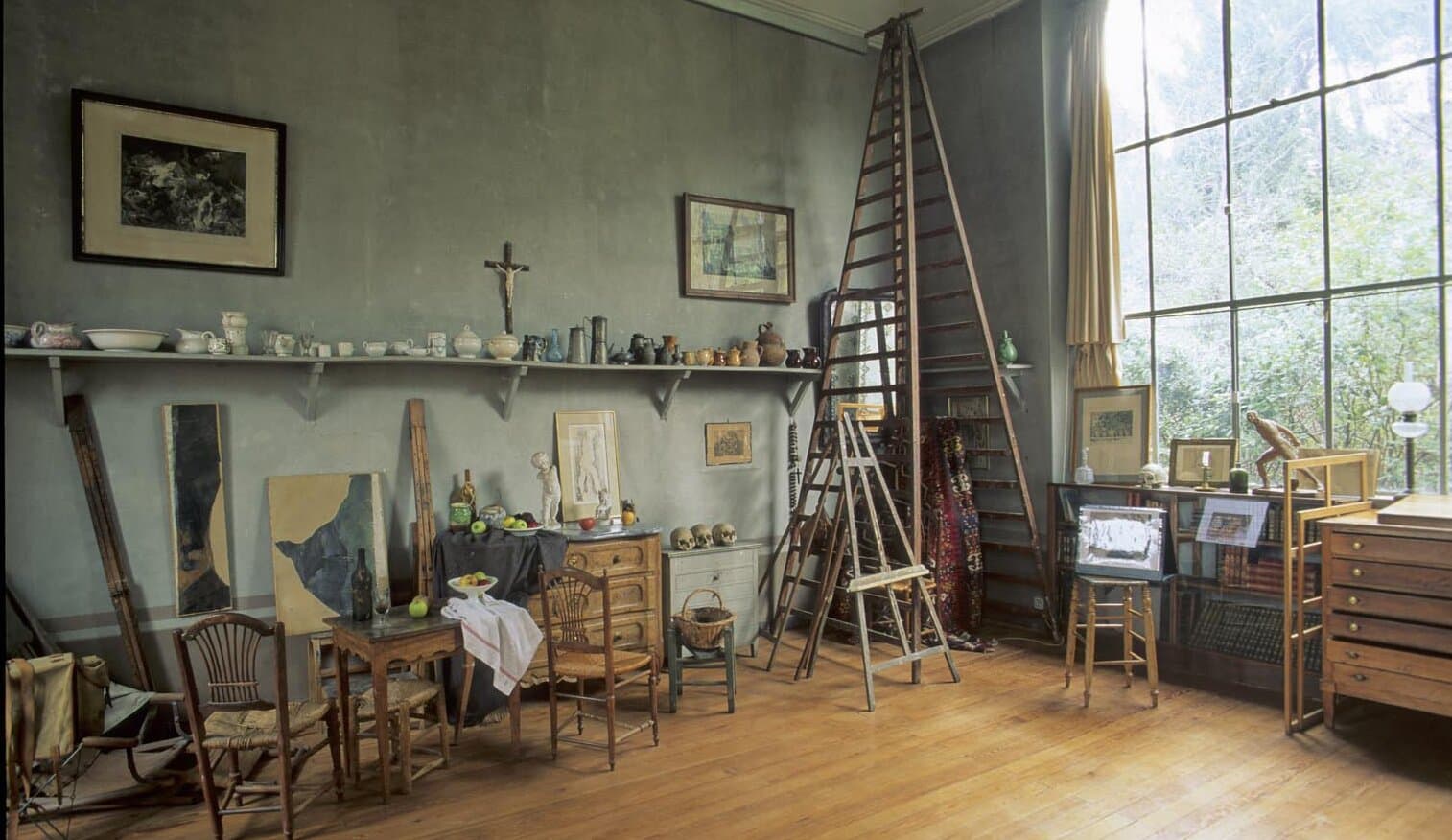
Aix-en-Provence built its reputation as a city of painters long before it became a tourist destination. Paul Cézanne, born here in 1839, spent his final years working in a purpose-built studio on the northern edge of town, now preserved as the Musée de l'atelier de Paul Cézanne, where his easel, still-life props and coat remain exactly as he left them.
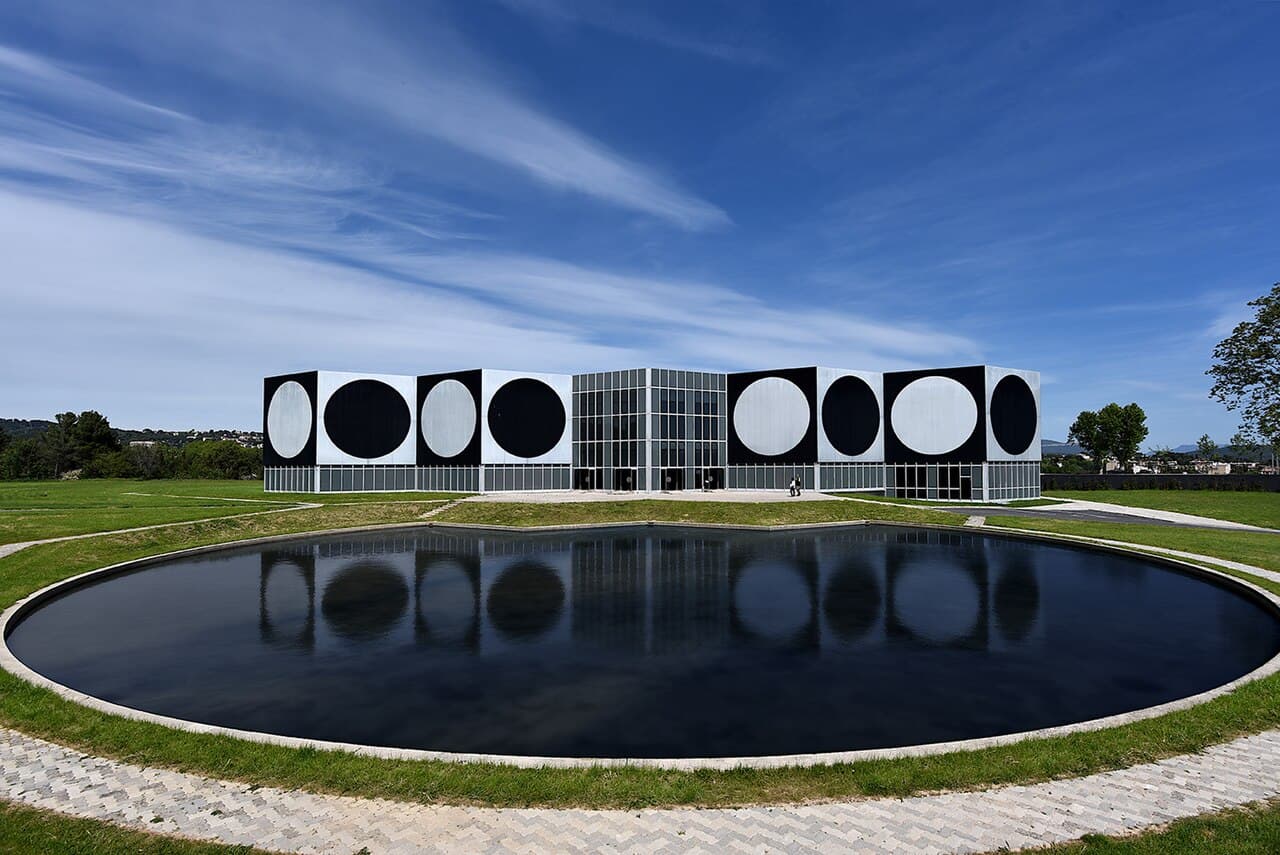
The city's largest museum, Musée Granet, occupies a former priory near the Cathedral and holds French, Italian and Northern European paintings spanning the 14th to 18th centuries, alongside a dedicated Cézanne room. A different register of modern art awaits at the Fondation Vasarely, built in 1976 to Victor Vasarely's own design and filled with his large-scale geometric compositions.
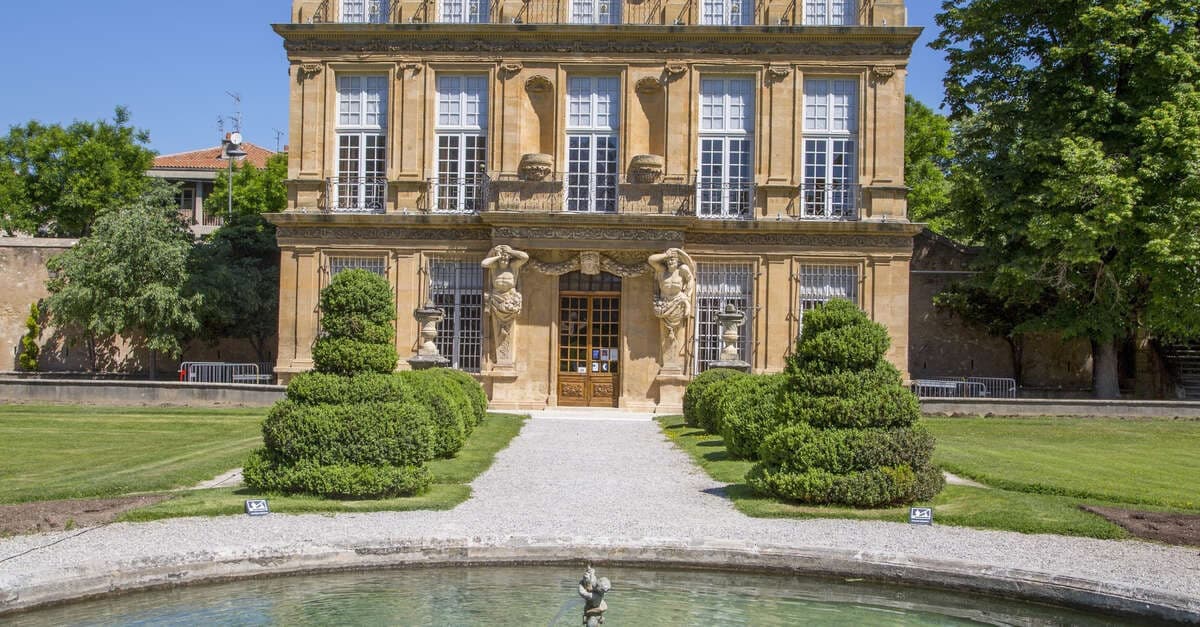
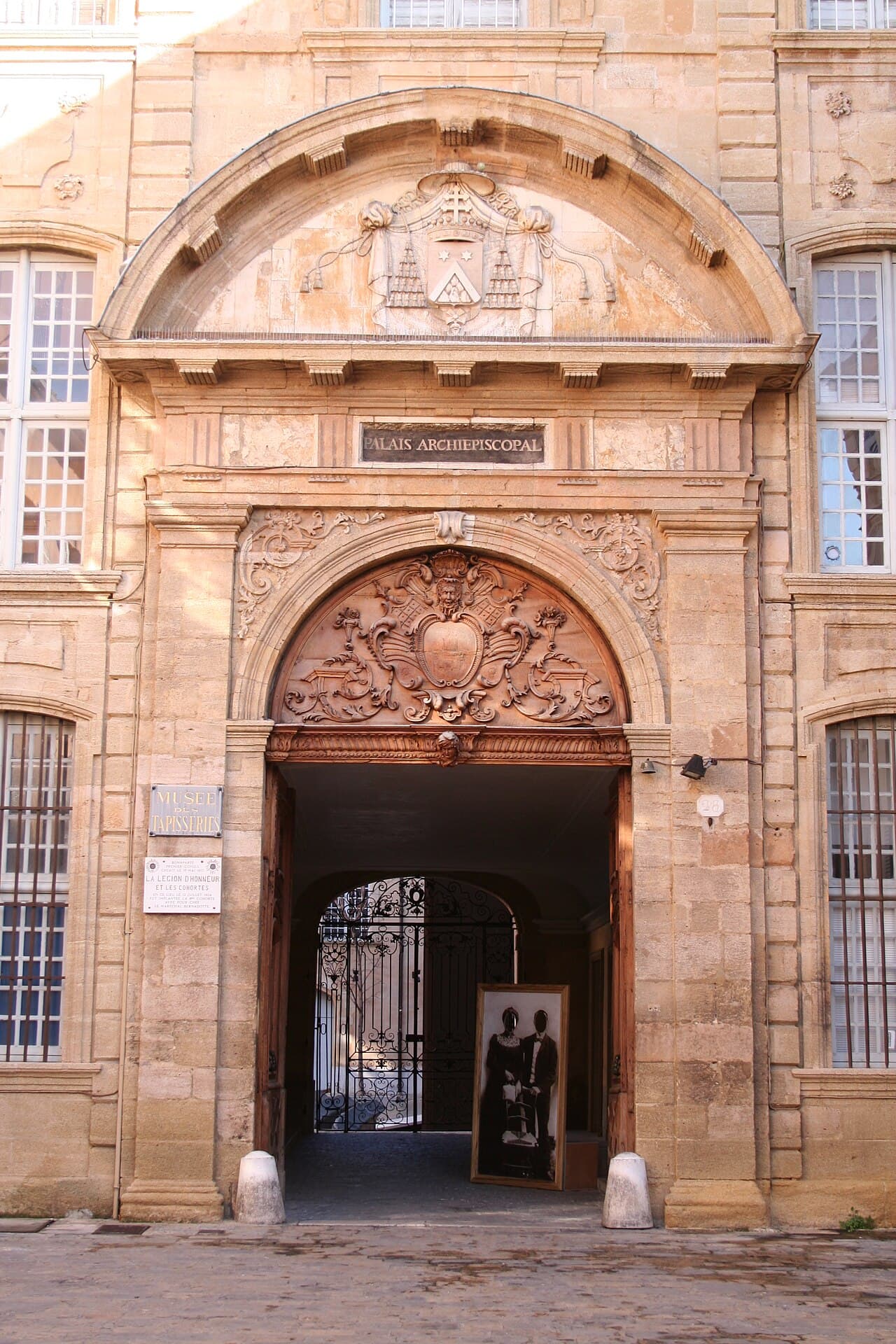
Smaller, specialized museums round out the picture: the Musée du Vieil Aix documents local history and traditions, the Musée du pavillon de Vendôme occupies a 17th-century pavilion with period furniture, and the Musée des Tapisseries displays 17th- and 18th-century tapestries formerly hung in the archbishop's palace.
From the Mazarin Quarter to the Contemporary Art Scene
The Mazarin quarter, laid out in the 17th century south of Cours Mirabeau, is where the Musée Granet and the Musée Paul Arbaud sit within walking distance of one another, its grid of townhouses largely intact since the era of the region's parliamentary elite.
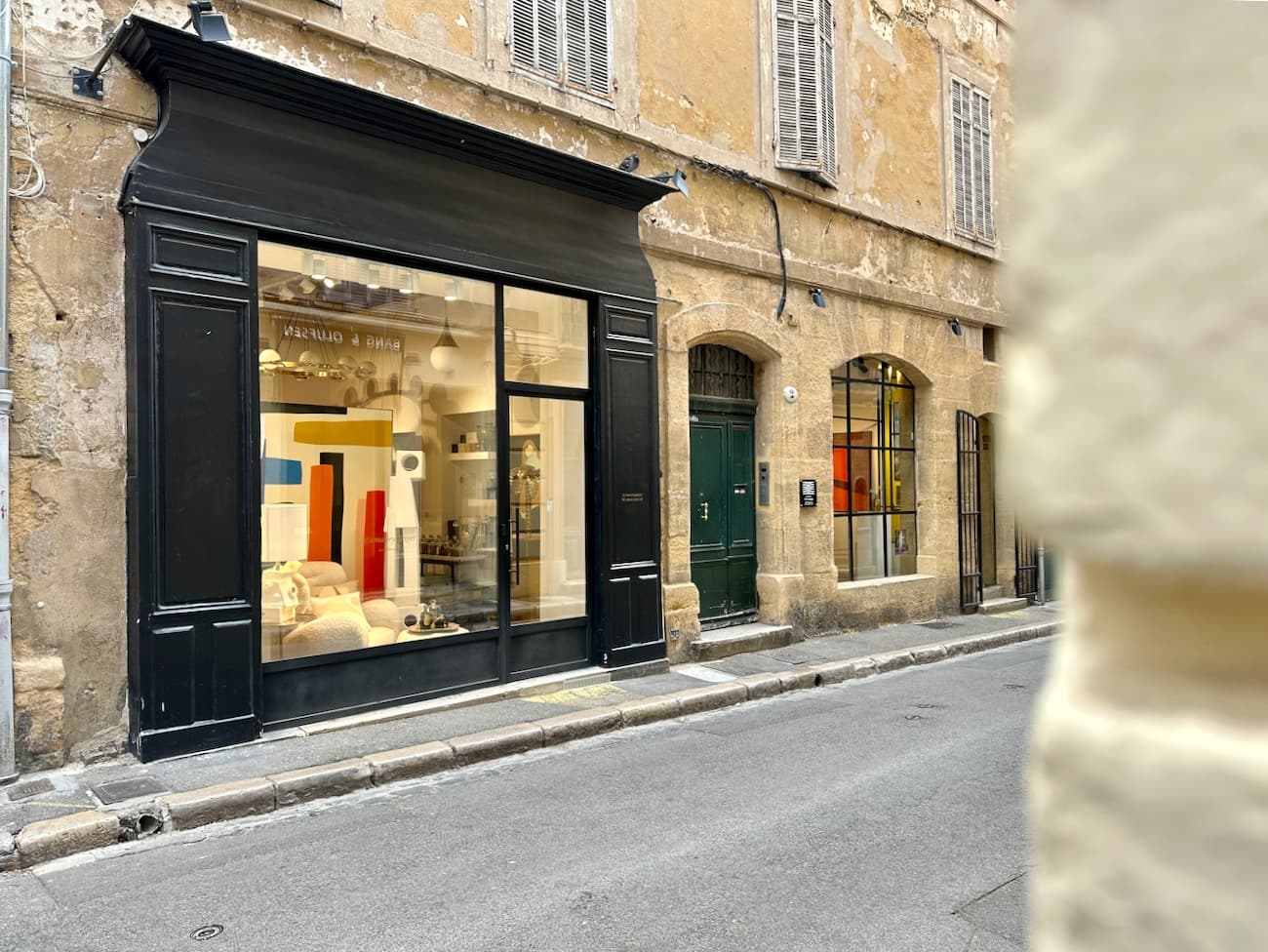
Contemporary art gravitates toward a scattered but active gallery network: Gallifet and 3 bis f - Centre d'arts contemporains both support experimental and emerging practices, while 361° - Espace d'Art Contemporain and Galerie Le Container occupy more industrial, project-space settings suited to installation work.
For collectors and casual browsers alike, the city center holds a cluster of commercial galleries including Galerie d'art Carré d'artistes, Bel-Air Fine Art
Cézanne's Enduring Presence
No painter is more identified with Aix-en-Provence than Paul Cézanne, who returned to his hometown throughout his life to paint the surrounding countryside, particularly the Montagne Sainte-Victoire visible from the hills north of the city. His studio, now the Musée de l'atelier de Paul Cézanne, remains the most direct point of contact with his working process, down to the arrangement of objects he used in his late still lifes.
Victor Vasarely, a naturalized French artist of Hungarian origin and a pioneer of Op Art, chose Aix-en-Provence as the site for a museum entirely of his own conception. The Fondation Vasarely remains one of the few museums in France designed from the ground up by the artist it honors, its hexagonal architecture built specifically to display his large kinetic and geometric works.
Frequently asked questions
How much time should I plan to visit the main museums of Aix-en-Provence?
Allow a half-day for Musée Granet and the Cézanne studio together, as they sit roughly 20 minutes apart on foot. A full day covers these plus the Fondation Vasarely and one or two smaller museums like the Musée du Vieil Aix.
Is the Musée de l'atelier de Paul Cézanne the actual place where he painted?
Yes, it is the studio Cézanne had built in 1902 on a hillside north of the old town, and it still contains his easel, personal objects and still-life props exactly as documented in his final years.
What is the best time of year to visit Aix-en-Provence for art and culture?
Late spring and early autumn offer mild weather for walking between museums and galleries; July brings the Festival d'Aix-en-Provence, a major opera festival that adds performances to the cultural calendar.
Are the galleries in Aix-en-Provence free to visit?
Most commercial galleries, including Gallifet, YellowKorner and Bel-Air Fine Art, offer free entry since they sell the works on display. Museums typically charge an entrance fee, though some offer reduced rates or free admission on certain days.